Trump admin now requiring green card seekers to leave US to apply, potentially impacting hundreds of thousands
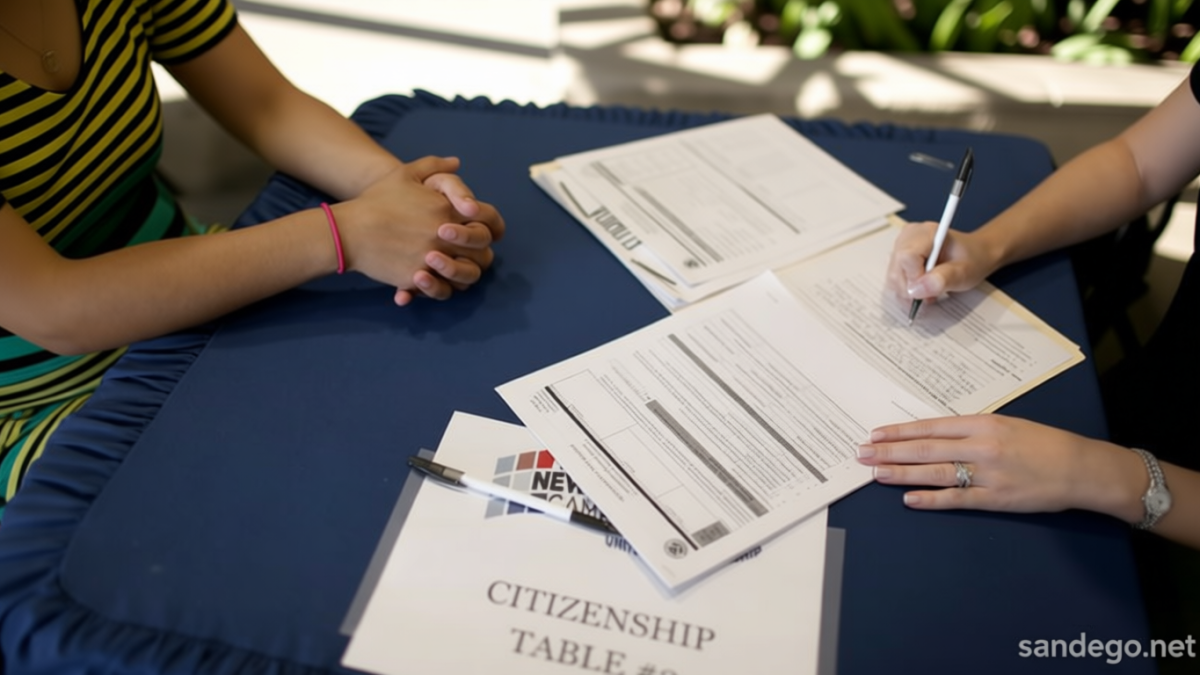
Trump admin now requiring green card – As part of its ongoing immigration reforms, the Trump administration has implemented a new policy mandating that individuals applying for green cards must temporarily depart the United States during the application process. This shift, announced on Friday, marks a significant alteration to the current system, which could disrupt the lives of hundreds of thousands of immigrants awaiting permanent residency. The change, introduced by U.S. Citizenship and Immigration Services (USCIS), requires applicants to submit their petitions from their countries of origin, effectively eliminating the option to apply while residing in the U.S.
Impact of the new rule
The new directive adds another layer of complexity to an already challenging immigration process. Green card applicants, who previously could submit their forms while living in the U.S., will now face the obligation to leave the country to complete their applications. This could lead to disruptions in daily life, forcing individuals to suspend their careers, separate from their families, and temporarily relocate while their case is reviewed. According to the Department of Homeland Security, nearly 1.4 million people secured permanent residency in fiscal year 2024. Under the new policy, this number may see a decline, as more applicants face the logistical and emotional burden of leaving their homes.
“When aliens apply from their home country, it reduces the need to find and remove those who decide to slip into the shadows and remain in the U.S. illegally after being denied residency,” said USCIS spokesperson Zach Kahler.
The administration’s rationale centers on tightening control over immigration and minimizing the risk of applicants overstaying their visas or entering the country without proper authorization. By requiring green card seekers to apply abroad, the policy aims to streamline the process for those who are already in the U.S. legally while creating additional hurdles for those who might be less compliant. However, critics argue that the rule could disproportionately affect vulnerable groups, including students, workers, and families, who may struggle to find the financial or logistical resources to leave the country during the lengthy application period.
Broader immigration strategies
This latest policy is part of a larger effort by the Trump administration to reshape immigration patterns in the U.S. Over the past year, the government has taken several measures to curb legal immigration, including reducing asylum claims, ending temporary protected status for multiple countries, and halting refugee admissions except for White South Africans. Work and student visa programs have also faced stricter scrutiny, with limits imposed on the number of visas issued to certain categories of applicants.
The decision to reexamine green cards from 19 countries deemed “of concern” followed the 2023 shooting in Washington, D.C., where an Afghan national was identified as the alleged perpetrator. Despite being granted asylum in 2025, the administration has used this incident to justify broader immigration reforms. The new green card rule, while seemingly targeted, is positioned as a continuation of these efforts to prioritize individuals who are perceived as more likely to remain in the U.S. permanently.
Legal and procedural challenges
The new requirement has already sparked concerns about its potential legal implications. Many experts anticipate that the policy will face lawsuits from immigrant advocates and legal organizations, who argue that it infringes on the rights of lawful permanent residents. The rule also introduces a new exemption for “extraordinary circumstances,” which may provide some relief to applicants in specific situations. However, the definition of such cases is vague, leaving room for interpretation and possible criticism.
USCIS has emphasized that the policy is designed to ensure that applicants are fully committed to the U.S. immigration process and less likely to abandon their cases or enter the country illegally. The agency cited the need to reduce the backlog of applications and improve the efficiency of the system. Yet, the change has raised questions about its fairness, particularly for individuals who have been living in the U.S. for years and are now forced to reapply from abroad. For instance, a recent study highlighted that the average processing time for green cards can extend to several years, and this new rule may only exacerbate the strain on applicants.
While the administration frames its actions as necessary for national security and economic stability, the policy has also been criticized for its broader impact on immigrant communities. Families who have built lives in the U.S. may now face prolonged separations, and businesses that rely on immigrant labor could experience disruptions. The policy’s effect on asylum seekers is also notable, as it distinguishes between those applying for green cards and those seeking temporary protection. This creates a divide in the treatment of immigrants, with green card applicants bearing a heavier burden than those who rely on asylum pathways.
USCIS’s spokesperson, Zach Kahler, defended the rule as a critical step in reinforcing the integrity of the immigration system. “By requiring applicants to submit their petitions from their home countries, we ensure that those who choose to pursue residency in the U.S. are fully prepared to commit to the process,” he stated. The policy, however, has also been seen as a tool to limit the number of immigrants who can secure permanent status, particularly in an era of increased border enforcement and stricter eligibility criteria.
As the new rule takes effect, its long-term consequences remain uncertain. While it may help the administration achieve its immediate goals of reducing illegal immigration, it also risks alienating those who have contributed to the U.S. economy and society. The Department of Homeland Security has already noted that the policy could lead to delays in processing, as applicants navigate the added complexity of submitting forms from abroad. Nonetheless, the Trump administration has remained steadfast in its commitment to this approach, viewing it as a necessary measure to align immigration with national priorities.
Historical context and future implications
Green card applications have historically been a pathway for many immigrants to achieve long-term stability in the U.S. The new rule, however, introduces a requirement that could be seen as a departure from the traditional process. Prior to this change, applicants could begin the process while residing in the country, which allowed them to work, study, or raise families without interruption. The policy’s emphasis on requiring applicants to leave the U.S. during the process has been compared to measures taken during the early 2000s, when the government sought to strengthen immigration enforcement through stricter visa requirements.
Experts warn that the policy may have unintended consequences, such as increasing the number of immigrants who enter the country illegally to avoid the new requirements. Additionally, the administration’s focus on legal immigration has been criticized for creating a system that prioritizes efficiency over compassion. The new rule could also affect the U.S.’s ability to attract skilled workers and international students, who are crucial for economic growth and innovation. As the policy unfolds, its success will depend on how effectively it balances the needs of national security with the rights of immigrants seeking permanent residency.