
Tragic Coal Mine Collapse in Northeast China Claims Four Lives, Leaves 90 Workers Trapped
Four dead 90 trapped in Chinese – On Friday night, a coal mine disaster in northeast China resulted in the deaths of at least four individuals and left 90 others trapped beneath the earth, according to state media reports. The incident, which occurred at 9:43 p.m. local time (9:43 a.m. ET), involved elevated carbon monoxide levels that exceeded safety thresholds, prompting an emergency evacuation. Xinhua News Agency confirmed that 157 workers, including the four fatalities, were removed from the site by 3:33 a.m. local time on Saturday. Despite the rapid response, 90 workers remained underground, with at least 16 in critical condition, as rescue teams worked to stabilize the situation.
Emergency Response and Evacuation Efforts
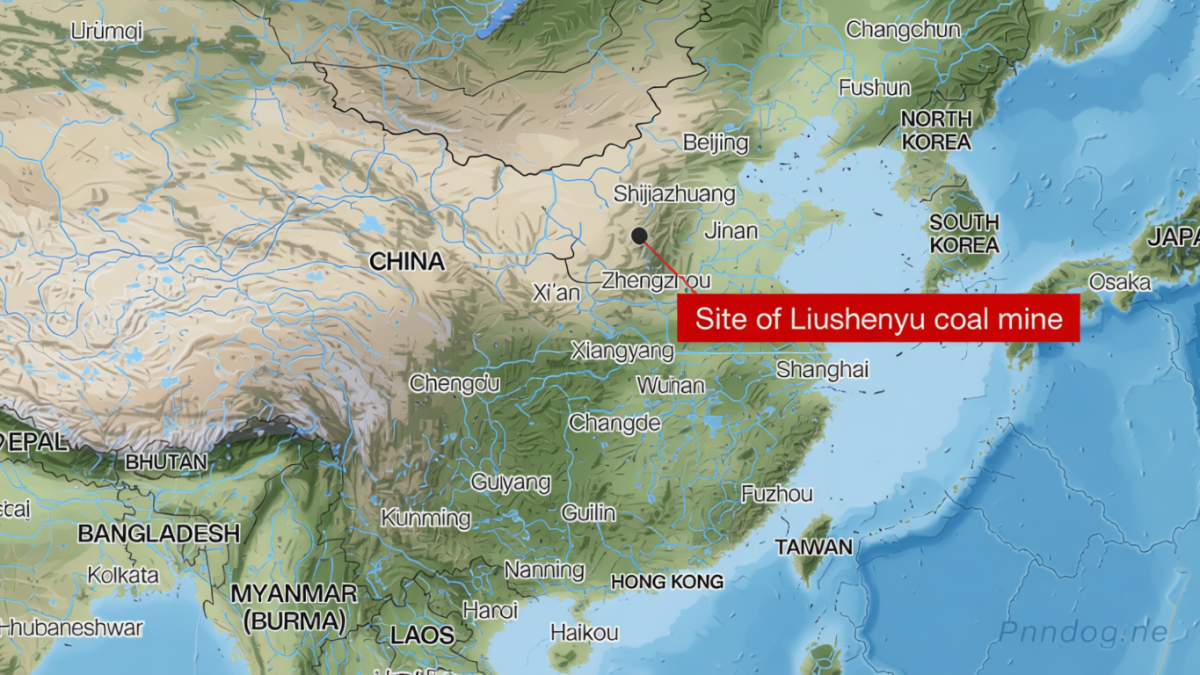
State media reported that immediate action was taken to ensure the safety of all personnel within the Liushenyu coal mine, located in Changzhi City. The collapse, which was attributed to the accumulation of carbon monoxide, created a hazardous environment for the workers. Xinhua detailed that the evacuation process was initiated swiftly after the levels of the toxic gas reached dangerous concentrations. By Saturday morning, 157 individuals had been brought to safety, though the exact number of those rescued remains under review. The mine, which operates in a region known for its extensive coal reserves, has been a focal point of industrial activity for years.
“Elevated carbon monoxide levels exceeded operational limits, forcing an urgent evacuation,” stated Xinhua News. “Rescue operations are ongoing to locate and assist the remaining 90 workers.”
Authorities emphasized the urgency of the situation, noting that the trapped workers faced significant risks due to the high concentration of carbon monoxide. The gas, which is odorless and colorless, can quickly displace oxygen, leading to suffocation or poisoning. Initial reports suggested that the mine’s ventilation systems may have been overwhelmed during the incident, though further investigations are required to confirm the cause. Emergency teams have been utilizing specialized equipment to navigate the mine’s unstable conditions, with officials expressing concern over the potential for secondary collapses.
Impact on Workers and Families
The accident has shaken the local community, where many families rely on coal mining for their livelihoods. With 247 workers underground at the time of the incident, the scale of the disaster underscores the dangers inherent in the industry. The trapped workers, who are currently in critical condition, are being monitored for signs of distress, with medical teams on standby to provide immediate care. Families of the victims have been informed of the deaths, while others await updates on their loved ones’ status. The emotional toll on the community has been significant, with residents expressing fears about the safety of their workplaces and the potential for future accidents.
State media highlighted the coordinated efforts of rescue teams, including miners, engineers, and medical personnel, who are working around the clock to retrieve the trapped individuals. Officials have deployed drones and underground sensors to assess the mine’s stability and locate survivors. The Liushenyu coal mine, which has been operational for over a decade, is part of a larger network of mines in the region that supply coal to power plants and manufacturing facilities. The incident has raised questions about the adequacy of safety measures in the industry, particularly in older mines where modern ventilation systems may not be fully implemented.
Historical Context and Industry Challenges
Coal mining has long been a cornerstone of China’s energy sector, but it has also been associated with frequent accidents due to the complex nature of underground operations. The Liushenyu mine, situated in a mountainous area, has faced previous safety inspections and reported compliance with national standards. However, the current disaster highlights the persistent challenges of maintaining safe working conditions in mines with high production demands. Officials have acknowledged that while safety protocols are in place, the rapid pace of industrialization has sometimes outstripped the ability to enforce strict compliance.
The carbon monoxide levels that led to the incident are a common hazard in coal mines, often resulting from the combustion of methane or other gases trapped within the rock formations. In this case, the levels surged unexpectedly, possibly due to a malfunction in the mine’s ventilation system or a sudden release of trapped gases. The speed at which the levels rose—within minutes of the incident—suggests that the mine’s emergency response systems were pushed to their limits. Engineers are now analyzing the data to determine whether the cause was a mechanical failure, human error, or an unforeseen geological event.
As of Saturday afternoon, the situation remains precarious. Rescue teams have established temporary shelters for the evacuated workers, with medical staff providing treatment for those who suffered injuries during the collapse. The government has pledged to investigate the incident thoroughly, with promises to improve safety measures across all coal mines. State media has also begun broadcasting updates to keep the public informed, emphasizing the resilience of the workers and the determination of the rescue teams.
Global Implications and Response
While the disaster has primarily affected local workers, its impact extends beyond the region. International coal mining companies have expressed concern over the safety of operations in China, where the industry plays a vital role in global energy production. The incident has prompted discussions about the need for stricter safety regulations and increased investment in modernizing mine infrastructure. Environmental experts have also noted the potential for the accident to highlight the broader risks of coal extraction, including its contribution to greenhouse gas emissions and the dangers of mining in densely populated areas.
Efforts to locate the trapped workers are ongoing, with teams navigating the mine’s labyrinthine tunnels and assessing structural integrity. The use of advanced technology, such as thermal imaging cameras and communication devices, has been critical in identifying survivors and mapping the mine’s conditions. However, the confined space and lack of oxygen in certain areas have complicated the rescue operations, requiring careful planning to avoid additional casualties. Officials have also begun coordinating with neighboring mines to share resources and expertise, demonstrating the collaborative approach to crisis management in the region.
As the situation develops, the Chinese government has emphasized its commitment to transparency and accountability. State media has been releasing regular updates, including details about the number of survivors, the condition of the trapped workers, and the progress of the rescue efforts. The incident has also sparked a renewed focus on worker safety training and the importance of regular safety audits. With 90 workers still in the mine, the outcome of this disaster will have far-reaching consequences for the coal mining industry and its regulatory framework.
The Liushenyu coal mine disaster serves as a stark reminder of the risks involved in extracting one of China’s most vital natural resources. While the immediate priority is to rescue the trapped workers, the event has also prompted a broader conversation about the balance between industrial growth and safety standards. As rescue operations continue, the hope is that all remaining workers will be brought to safety, and that the incident will lead to meaningful reforms in the mining sector. For now, the community remains in suspense, waiting for news that could determine the fate of the 90 individuals still underground.
Experts have warned that the accumulation of carbon monoxide in mines is a recurring issue, particularly in older facilities where maintenance may lag behind modern safety requirements. The Liushenyu mine, though well-established, appears to have encountered an unforeseen combination of factors that led to the dangerous gas levels. These include potential equipment failures, changes in airflow patterns, and the natural properties of the coal seams. The incident underscores the need for continuous monitoring and adaptive safety protocols, especially in mines operating at full capacity.
Meanwhile, the global coal industry has taken note of the event, with some analysts suggesting that it may accelerate the push for cleaner energy alternatives. The disaster has also raised awareness about the importance of international collaboration in safety standards, as coal mining operations often involve multinational supply chains. For the families of the victims, the incident represents a tragic loss, but it also serves as a catalyst for demanding greater accountability from mining companies and government regulators. As the search for survivors continues, the focus remains on minimizing further casualties and ensuring that the lessons learned from this tragedy are applied to prevent future incidents.
In conclusion, the coal mine collapse in northeast China has had a profound impact on both the local population and the broader energy sector. With four lives lost and 90 workers still missing, the incident has exposed vulnerabilities in the industry’s safety practices. The ongoing rescue efforts, supported by state media and emergency teams, reflect the determination to address the crisis. As the investigation unfolds, the event will likely influence future policies and practices in coal mining, emphasizing the need for vigilance in an industry that remains central to China’s economic and energy landscape.