Tracking States’ Unprecedented Redistricting Efforts
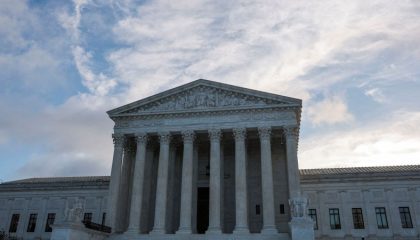
Sandego.net – Recent developments in congressional redistricting have shifted momentum toward Republican control, altering the landscape of the upcoming midterm elections. With the Supreme Court’s decision to weaken key provisions of the Voting Rights Act, several states have accelerated their redistricting plans, aiming to consolidate power ahead of the November contests. The strategic recalculations, however, have not been without challenges, as some states have faced legal hurdles and internal party disagreements. This evolving terrain underscores the significance of redistricting as a tool for political influence, particularly in a closely contested House of Representatives.
Supreme Court Impact and State-Level Reactions
The Supreme Court’s ruling to dismantle a major part of the Voting Rights Act has emboldened Republican lawmakers to push through new district maps. In Virginia, for instance, the state’s highest court recently halted a Democratic-proposed plan that had been approved by voters, signaling a potential setback for progressive redistricting initiatives. Meanwhile, Louisiana’s legislature has finalized a map that not only strengthens Republican prospects but also reduces the number of majority-Black congressional districts in the state by one. This adjustment could be pivotal in securing a larger share of House seats for the GOP.
Other states have similarly embraced the opportunity to reshape electoral boundaries. In Tennessee, Republican legislators enacted a revised map that dismantles the sole Democratic-held district, eliminating a key stronghold for the opposition. Alabama, too, has reverted to a 2023-drawn map, which the state’s Republicans believe will help them trim their Democratic delegation from two to one. Despite this, the plan faced a temporary roadblock when federal judges intervened, prompting a new round of legal challenges before the Supreme Court. These developments highlight the contentious nature of redistricting and its role in shaping electoral outcomes.
Political Dynamics and Strategic Shifts
While the redistricting battle has seen some victories for Republicans, not all efforts have succeeded. South Carolina’s state senators recently rejected a Republican proposal that would have erased the state’s only Democratic district, demonstrating that partisan battles are not always one-sided. This rejection suggests that even in states where Republicans hold a majority, there is room for pushback from Democratic factions. Nevertheless, the overall trend remains in favor of the GOP, with many states employing redistricting as a means to secure favorable voting conditions.
The primary process, which has already begun in several states, has also been affected by these redistricting changes. Some jurisdictions are adjusting their schedules to accommodate the new maps, even as candidate filing deadlines pass or early voting initiatives take shape. This flexibility allows parties to align their strategies with the latest district boundaries, potentially influencing voter turnout and electoral dynamics. As the political calendar tightens, the interplay between redistricting and primary timelines becomes increasingly critical.
The Redistricting Process: State-by-State Variations
Redistricting, the practice of redrawing congressional district lines, is a complex and often politicized process. While it typically occurs once a decade following the census, the timing of recent changes has been accelerated due to the Supreme Court’s decision. The method varies widely across states, with some allowing legislatures to act independently, while others require constitutional amendments or direct public votes to finalize maps. This diversity in procedures means that the impact of redistricting efforts can differ significantly, depending on local governance structures and political will.
In states with Republican majorities, the redistricting process is often swift and decisive. Full control of state governments enables lawmakers to implement maps that maximize their chances of winning seats, leveraging population shifts and demographic trends. Conversely, Democratic-led states have increasingly turned to independent commissions to oversee the redistricting process, a move that has now been partially reversed in some cases. This shift reflects a broader strategy to balance partisan advantages and ensure fairer representation, though the effectiveness of such commissions remains a point of debate.
Redistricting has also become a central tactic in the broader race for congressional power. With the House of Representatives poised for a tight contest, the ability to reshape districts can mean the difference between securing a majority or facing a challenge. The current wave of map changes has been dubbed “mid-decade redistricting,” a term that highlights the growing importance of this practice beyond the traditional decennial cycle. As states continue to refine their boundaries, the political stakes are rising, and the outcomes could have far-reaching implications for the 2024 midterms.
Looking Ahead: Georgia and Beyond
Georgia is emerging as a key player in this redistricting saga, with the state set to act on a new map as early as June. This timing suggests that lawmakers are preparing aggressively for the 2028 elections, anticipating the need for further adjustments to maintain their edge. Meanwhile, Democrats are also pursuing redraws in states they control, indicating that the redistricting battle is not confined to Republican territories. This back-and-forth underscores the dynamic nature of the process and its role in shaping the political future of the nation.
The impact of redistricting extends beyond immediate electoral gains. By concentrating or diluting voting power, these maps can influence the distribution of political influence across the country. In Louisiana, the removal of a majority-Black district not only affects representation but also raises questions about racial equity in the electoral system. The state’s actions have sparked discussions about the role of race in redistricting, with critics arguing that such changes can marginalize minority voters.
Despite the challenges, Republicans continue to view redistricting as a vital strategy for retaining control of the House. Their success in altering district boundaries, even in states where Democrats previously held the advantage, demonstrates a growing confidence in their ability to shape the electoral landscape. The finalization of maps in several states has already begun to reshape the political balance, with the potential to tip the scales in favor of the GOP. As the midterms approach, the focus will remain on these maps, with their design and implementation becoming a defining feature of the campaign season.
Redistricting has evolved into a multifaceted political tool, combining demographic analysis, legal strategy, and legislative action. With the current cycle marking a departure from the past, the implications for future elections are profound. The ability to redraw districts in response to changing political climates has allowed parties to adapt their strategies, ensuring that they remain competitive in a shifting electoral landscape. This flexibility, however, also raises concerns about gerrymandering and the potential for partisan bias in the process.
As the redistricting efforts continue, the focus will increasingly turn to their long-term effects. The latest maps not only reflect current political priorities but also set the stage for the next cycle of elections. With the House remaining a battleground, the success of these redistricting initiatives could determine the outcome of key races, particularly in states with tight margins. The ongoing debate over the fairness of these maps will likely intensify, as both parties seek to assert their influence in the electoral process.
“This story has been updated with additional information.” —CNN’s Molly English, Arit John, and Dianne Gallagher contributed to this report. Photo Illustration by Alberto Mier/CNN/@SenatorBerger via X/California and Missouri state legislatures