
Everlane Shoppers Come Unraveled Over Sale to Shein
Everlane shoppers come unraveled over sale – Everlane, a brand that once positioned itself as a beacon of ethical fashion, has sparked concern among its loyal customer base after announcing a partnership with Shein, the fast-fashion powerhouse known for its rapid production cycles and global reach. The move, finalized through a $100 million transaction, aims to resolve Everlane’s $90 million in accumulated debt, according to reports from Puck’s Lauren Sherman. While the sale has been confirmed by CEO Alfred Chang, who emphasized that the brand will retain its independence, the transition has left many fans uneasy. The fear is that the company’s long-standing commitment to sustainability could be compromised in favor of Shein’s scalable, profit-driven model.
The Shift in Brand Identity
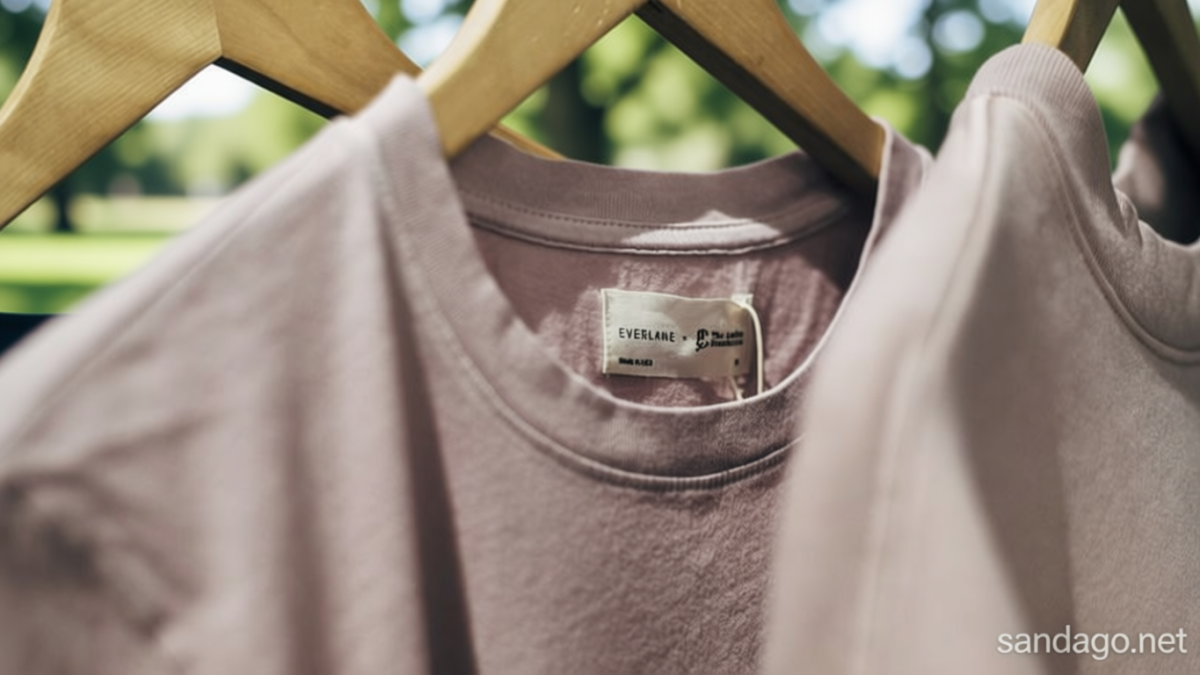
For years, Everlane thrived on its promise of “radical transparency,” a concept that allowed customers to trace the origins of every garment and understand the costs behind its production. This ethos, combined with affordable pricing, made the brand a favorite among those seeking guilt-free, versatile basics. But with the recent acquisition, some fear that the simplicity and integrity of Everlane’s approach may give way to Shein’s emphasis on speed and volume. “Cool cool need to go buy 46 white t-shirts before the formula changes,” tweeted writer Sophie Vershbow, though her own purchase count appeared to contradict her urgency. This sentiment reflects a broader anxiety among consumers who have grown attached to Everlane’s clean aesthetic and ethical stance.
Everlane’s core audience, drawn to its boxy t-shirts and durable jeans, has come to associate the brand with a balance between affordability and responsibility. Yet the prospect of merging with Shein, a company often criticized for its low-cost manufacturing and labor practices, has raised questions about whether the brand’s values will remain intact. “This was a brand founded on ethical consumption, which is the complete opposite of what Shein stands for,” said Shawn Grain Carter, an associate professor at the Fashion Institute of Technology. “Fast fashion is the antithesis of sustainability. It’s cheap labor, it’s produced at any cost, and rarely is it done in an ethical supply chain.” Carter’s critique highlights the tension between Everlane’s mission and the economic pressures of its new owner.
Customer Reactions and Emotional Fallout
News of the sale has evoked strong emotional responses from Everlane’s supporters, many of whom view the decision as a betrayal of the brand’s founding principles. For instance, Kirstie Wang, a small business owner from the Bay Area, shared her dismay in an Instagram reel, lamenting the loss of a brand she once admired. “I think I just really looked up to them, and half my closet is Everlane,” she said, expressing disbelief at how the company might now align itself with a competitor it once criticized. Her personal connection underscores the cultural impact of Everlane, which had become a symbol of conscious consumerism in an industry often dominated by excess.
Others, like Madeleine Alizadeh, a fashion writer who launched her own sustainable brand, DariaDeh, feel the sale represents a shift in the broader fashion landscape. “Everlane was genuinely pioneering when it launched,” Alizadeh noted. “At the time, ethical fashion felt like it was controlled by luxury labels like Stella McCartney or ‘granola’ brands like Patagonia. People didn’t need to spend a few thousand dollars or plan a hiking trip to wear Everlane—they just wanted clean, reliable basics without the guilt.” This perspective reveals how Everlane’s approach democratized sustainability, making it accessible to everyday consumers.
Everlane’s Rise and Core Values
Everlane’s journey began in 2010 with a simple yet bold idea: to break down the cost of clothing and make its production process transparent. The brand started with t-shirts, which it claimed were so popular that they sold out within days, creating a waitlist of over 60,000 customers. This early success laid the groundwork for its expansion into cashmere sweaters, non-stretch jeans, leather flats, and backpacks—all products that have been consistently praised by major fashion publications like Vogue and the New York Times. The brand’s strategy of selling exclusively online helped keep overhead low, allowing it to offer high-quality essentials at competitive prices.
Everlane’s transparency extended beyond pricing to include detailed information about materials, manufacturing processes, and labor conditions. This openness resonated with a generation of shoppers who were increasingly conscious of their environmental and social impact. The brand’s message was clear: you could buy a well-made piece of clothing without sacrificing ethics or affordability. Yet, this commitment has not always been consistent. Critics have pointed out instances where Everlane’s transparency was questioned, particularly when the company shifted its focus to meet growing demand. Despite this, its reputation as a sustainable alternative to traditional fashion houses has endured, even as its business model evolved.
Shein’s Influence and the Sustainability Debate
Shein, which has grown into one of the world’s largest fast-fashion retailers, is often scrutinized for its rapid production cycles and environmental footprint. The brand’s ability to manufacture and distribute clothing at an unprecedented scale has come at a cost, with reports of unsafe working conditions and excessive waste. However, its acquisition of Everlane could signal a new chapter in the company’s strategy—one that blends sustainability with scalability. “Everlane will remain an independent brand under Shein,” Chang stated in a recent press release, adding that the company would “uphold its sustainability commitments” while expanding its global presence.
While some see this as an opportunity for Everlane to reach new markets and reduce its operational costs, others argue it dilutes the brand’s mission. “To have an acquisition by a company that goes directly against the core values of your core customer is problematic,” Carter said. “Shein’s model prioritizes speed and profit over ethical practices, and that’s a stark contrast to Everlane’s original vision.” This divide reflects a growing debate within the fashion industry: can a brand that once championed sustainability thrive under a fast-fashion giant, or does the acquisition mark a fundamental shift in its identity?
Everlane’s decision has also sparked discussions about the future of sustainable fashion. As the industry grapples with the challenge of balancing affordability with environmental responsibility, brands like Everlane are often seen as pioneers. Yet, the sale to Shein raises questions about whether sustainability can be maintained in the face of economic pressures. For customers who have relied on Everlane’s transparency to make informed choices, the move feels like a departure from the brand’s founding ideals. “How did they swing the pendulum so far that they’re able to sell to the radical opposite of what they stood for?” Wang asked in her Instagram video, capturing the sentiment of many who fear the loss of a trusted ethical standard.
A New Era for Everlane?
As Everlane transitions under Shein’s ownership, the brand faces the challenge of maintaining its integrity while adapting to a more expansive market strategy. Chang’s assurance that Everlane will remain independent is a step in the right direction, but the question remains: can Shein’s influence be contained? The brand’s next steps will likely determine whether it can successfully merge its values with the fast-fashion model, or if the acquisition will signal a broader trend of sustainability being compromised for scale. For now, Everlane’s shoppers are left to grapple with the uncertainty, wondering if the brand they once trusted can still be the same one they know today.