Supreme Court Rules Against Rastafarian in Dreadlock Case
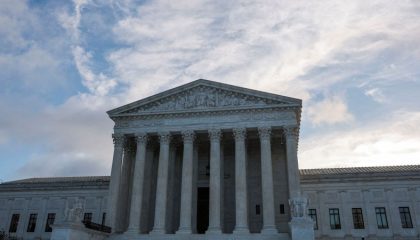
Sandego.net – On Tuesday, the Supreme Court delivered a landmark decision that denied a Rastafarian prisoner the right to sue state officials for cutting his dreadlocks, a move that has sparked debate about the scope of federal religious protections. The ruling, authored by Justice Neil Gorsuch and supported by a 6-3 majority, marked a significant shift in the court’s approach to religious freedom cases, particularly those involving prison authorities. The decision has raised concerns among legal experts and advocates, who argue it may limit the ability of individuals from various faiths to challenge violations of their beliefs in state correctional facilities.
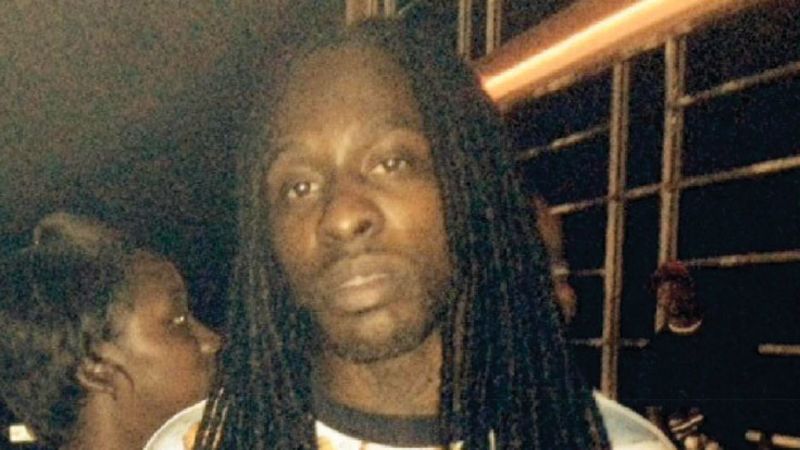
The case centered on Damon Landor, a man who spent nearly two decades growing his dreadlocks as part of his religious practice. When he was incarcerated in Louisiana, guards at the Raymond Laborde Correctional Center shaved his hair despite his attempts to demonstrate that the act violated his rights under federal law. Landor, who had previously taken the Nazarite vow—a religious commitment to refrain from cutting his hair—claimed that the state officials had breached his constitutional freedoms. However, the Supreme Court dismissed his lawsuit, asserting that the individuals involved in his hair-cutting did not have personal liability under the Religious Land Use and Institutionalized Persons Act (RLUIPA).
“Mr. Landor would have us hold, for the first time, that so long as a penny of federal spending makes its way to an individual, however indirectly, Congress can regulate his conduct directly based on the fiction that he has consented to regulation,” Gorsuch wrote. “None of that is consistent with our precedents.”
The court’s rationale hinged on the idea that RLUIPA functions as a spending agreement between the federal government and state officials, binding them to provide religious accommodations. Louisiana’s argument was that individual prison guards were not part of this contract, and thus could not be held personally responsible for cutting Landor’s hair. This interpretation, however, has drawn criticism from dissenting justices, who contend that it undermines the law’s intent to protect prisoners’ rights regardless of who made the final decision.
Justice Ketanji Brown Jackson, writing for the court’s liberal faction, sharply criticized the majority’s decision, calling it a “weakening” of federal statutory rights. She emphasized that the ruling would leave many prisoners without recourse when their religious freedoms are violated. “Prisoners like Landor who suffer violations of their religious freedom in state prisons—no matter how blatant—will often be left remediless,” Jackson noted. She also warned that the decision could embolden state officials to ignore federal laws, even if those laws are clearly outlined.
The case traces back to Landor’s arrest for drug possession in 2020. While he was incarcerated at two other facilities without incident, his transfer to the Raymond Laborde Correctional Center led to the controversial haircut. Landor had provided his guards with a judicial opinion from 2017 that affirmed the right of prisoners to maintain dreadlocks, but the guards dismissed the document and proceeded with the cutting. The incident became the focal point of his legal battle, which eventually reached the Supreme Court after a lower appellate court ruled against him.
Landor’s lawsuit relied on RLUIPA, a law enacted by Congress to address religious accommodations in government settings. The act was passed in response to a controversial 1990 Supreme Court precedent, which had narrowed the scope of religious liberty protections. In late 2020, the justices had previously ruled that another similar law allowed individuals to seek damages against government officials acting in their personal capacity. Yet, Louisiana argued that RLUIPA should be interpreted as a contractual obligation, effectively tying state officials to federal funding and limiting their liability.
Jackson’s dissent highlighted the broader implications of the ruling, suggesting it could diminish the effectiveness of federal laws that safeguard civil rights. “And encroachments on prisoners’ statutory rights are likely to happen with fair frequency, as state-empowered prison officials will have little incentive to abide by federal law, even if it is handed to them on a piece of paper,” she wrote. Her argument underscored the tension between state autonomy and federal oversight, a theme that has become increasingly prominent in recent years.
The 5th U.S. Circuit Court of Appeals had already ruled in Landor’s favor in 2022, citing a 2017 precedent that supported his right to keep dreadlocks. However, the court’s panel decided not to rehear the case, leaving Landor to appeal to the Supreme Court in 2024. The case was seen as a test for the court’s evolving stance on religious freedom, particularly after it had consistently ruled in favor of faith-based claims in prior decisions. The outcome, though, has signaled a more cautious approach, especially when it comes to expanding federal jurisdiction over state actions.
Legal scholars have pointed to the decision as a reflection of the Supreme Court’s current ideological divide. While the majority has traditionally championed religious rights, this ruling suggests a willingness to prioritize state authority in certain cases. The argument that federal spending creates a binding contract with state officials has been a recurring theme in conservative jurisprudence, and Gorsuch’s opinion appears to solidify that principle. Yet, critics argue that this reasoning blurs the line between federal oversight and state independence, potentially opening the door for more restrictive interpretations of religious protections.
For Landor, the ruling means the end of his legal fight to enforce his religious rights. He had relied on the RLUIPA to challenge the actions of prison guards, but the Supreme Court’s decision has left him without a clear path to redress. The case has also highlighted the importance of judicial opinions in shaping the treatment of prisoners, as Landor’s own document was discarded before his hair was cut. This has raised questions about how seriously state officials take federal legal standards in their daily operations.
The ruling’s impact extends beyond Landor’s individual case, affecting the broader landscape of religious freedom in the U.S. prison system. Advocacy groups warn that the decision could set a precedent for other prisoners to face similar challenges, especially if state officials interpret the law as a flexible tool rather than a strict guarantee. Meanwhile, the Supreme Court’s shift in approach has drawn attention to its role in shaping the balance between federal authority and state autonomy, a balance that continues to be tested in various cases across the judiciary.
Analysis: The Broader Implications of the Ruling
Legal analysts have noted that this case exemplifies the court’s growing hesitancy to expand federal protections in the absence of explicit congressional mandates. The 6-3 decision aligns with the majority’s recent emphasis on federalism, which prioritizes state control over matters like religious accommodation. This trend has been particularly evident in cases involving school prayer, religious symbols in public spaces, and the rights of religious minorities to practice their beliefs.
Despite the ruling, some legal scholars argue that the Supreme Court’s decision may not fully address the complexities of religious freedom in correctional settings. They suggest that while the majority focused on the contractual nature of RLUIPA, the law’s intent was to ensure that all individuals, regardless of their status, are protected from burdens on their faith. The case has also reignited discussions about the role of the judiciary in enforcing civil rights, with many questioning whether the current court is becoming more of a guardian of federal laws or a deflector of individual grievances.
As the debate continues, the Supreme Court’s decision serves as a reminder of the ongoing tensions between religious liberty and administrative convenience. For now, Landor’s story underscores the challenges faced by prisoners seeking to assert their rights in a system where federal laws may not always be prioritized over state interests.