US Diplomatic Posts in Middle East Adjust Staffing Amid Rising Regional Tensions
Sandego.net – The United States is moving diplomats and family members out of several Middle Eastern postings as concern grows that fighting in the region could broaden. For many Foreign Service families, the changes have revived the disruption they faced only months earlier, when personnel were sent away during the most intense period of the Iran war.
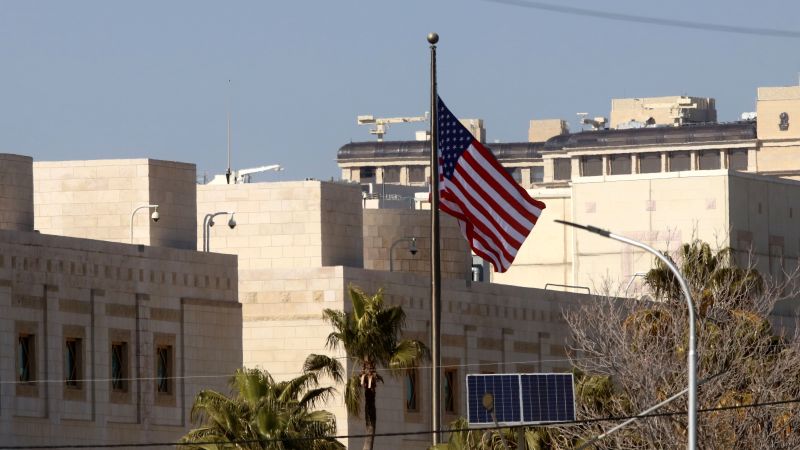
The departures affect more than one country and take different forms. Saudi Arabia has received a formal ordered-departure directive for non-emergency staff and all eligible family members. Elsewhere, the State Department is modifying personnel limits within existing restricted-operations arrangements, meaning embassies can reduce staffing without announcing a full change in their official operating status.
Lebanon, the United Arab Emirates, Qatar and Jordan are expected to have temporary staffing adjustments under restricted operations. Kuwait and Bahrain have not had personnel changes, indicating that their staffing levels remain within current limits.
Families Face Another Sudden Relocation
For diplomats and relatives who had recently returned to the region, the latest moves have created an unwelcome sense of repetition. Families had previously left homes, arranged new accommodation and tried to place children in schools outside their assigned countries. Some had only just resumed life at post before being told they might need to depart again.
“To say it has been chaotic is an understatement,” said one US diplomat.
The diplomat said that the assistance initially offered did not cover the expense of moving an entire family out of the region. Concerns have also emerged over whether families relocating to the United States will receive per diem support and how much financial help will be available for housing and schools.
Nikki Gamer, spokesperson for the American Foreign Service Association, said the situation has repeated the distress many families endured earlier in the year.
“This echoes the chaos families experienced earlier this year. Some had barely settled back in before being told to leave again,” Gamer said. “They are understandably upset, confused, and angry.”
Later on Friday, a State Department official said all US direct-hire personnel and their families would receive per diem allowances as well as help with lodging and schooling. The official said the allowances would follow government rates for the locations where people are staying within a country.
Houthi Attacks Drive Concerns
The staffing decisions come as Iranian-backed Houthi forces step up attacks on Saudi Arabia. The State Department has repeatedly warned that the hostilities could quickly spread beyond the immediate area, raising pressure on US diplomatic facilities and personnel throughout the Middle East.
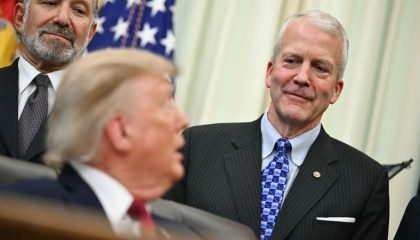
The regional picture is also shaped by uncertainty over possible US action against Iran. President Donald Trump has indicated that strikes against Iran could be resumed after the midterm elections. Israel has pushed for swifter action, though that effort has not succeeded so far.
Saudi Arabia’s ordered departure was specifically linked to the Houthi escalation. The less visible changes at other posts reflect the flexibility of restricted-operations status, under which embassy staffing is reviewed and adjusted as conditions develop.
Restricted operations do not necessarily mean that a mission has closed or that every employee is leaving. Instead, embassies may limit the number of staff and eligible relatives at a post while continuing essential diplomatic, consular and security functions. That distinction helps explain why the Saudi directive has received formal public notice while staffing changes in other countries have been handled more quietly.
Communication Frustrations Inside the Foreign Service
Some personnel have expressed frustration not only with the need to relocate but also with how information has been delivered. A source familiar with the departures described coordination between State Department headquarters in Foggy Bottom and officers overseas as being “just as much of a shit show” as it was during the early phase of the Iran war.
Staff at certain posts have worried that planning meetings and town halls normally held before a departure have not happened in time. That has left some employees and family members learning about possible changes through news coverage rather than directly from post leadership.
“A lot of people are hearing about it through the news instead of their leadership at post,” the source said.
In Amman, the capital of Jordan, the return of uncertainty has been particularly striking for staff who had already gone through a previous departure cycle.
“There’s a very Groundhog Day vibe,” a source in Amman said.
Not every embassy had allowed children to return after the earlier disruption, although many had permitted spouses to come back. Families are now again leaving posts where they had only recently been permitted to reunite, while questioning whether the financial arrangements will match the assistance offered during the prior relocation.
A Test of Support for Overseas Personnel
The American Foreign Service Association, which represents Foreign Service officers, has said it is receiving accounts of “bureaucratic ping-pong” as families seek clear answers about benefits, timing and practical relocation support. Such uncertainty can be especially difficult for households managing school enrollments, leases, travel arrangements and temporary housing at the same time.
The broader staffing changes underline how quickly embassy operations can shift when regional security conditions deteriorate. Even without a public evacuation order, restricted operations can alter who remains at a post and which family members are permitted to stay. For affected personnel, however, the administrative distinction may offer little comfort when another move means rebuilding family routines yet again.
Related Reading
Frequently Asked Questions
What is US discreetly moves diplomats and families?
US discreetly moves diplomats and families is the main topic of this guide. The article explains the context, practical details, and next steps readers should understand.
Why does US discreetly moves diplomats and families matter?
US discreetly moves diplomats and families matters because readers are looking for a useful answer, not just a short summary. Good content should match search intent and help them decide what to do next.