‘What ceasefire?’ In northern Israel, locals doubt an agreement can end the war with Hezbollah
Sandego.net – Nestled in the northern reaches of Israel, Metula’s once-bustling streets are now eerily quiet. Daniel Dorfman, owner of a local pizzeria, surveys the empty tables with a weary sigh. His establishment, which once drew crowds of tourists, now sits as a lonely echo of the town’s former vibrancy. The latest US-brokered ceasefire proposal, announced on Friday, has done little to lift the spirits of residents who have grown accustomed to the relentless shelling and explosions that punctuate their daily lives. For weeks, the town has been a casualty of the conflict, and the promise of a pause in hostilities has met with equal parts cynicism and skepticism.
A Town on the Frontlines
Metula, a small town bordering Lebanon, has long been a strategic crossroads. Established over 130 years ago, it was once known as “Europe” due to its European-style architecture and the hotels that lined its main thoroughfare, HaRishonim Street, named after the pioneers who founded the community. Today, the town’s charm is overshadowed by the reality of its proximity to war. The recent surge in rocket attacks from Hezbollah has turned the area into a battleground, with residents describing the situation as a constant state of fear and disruption. “Until yesterday, there wasn’t a single day without fire,” said Dorfman, echoing the sentiment of many in the town. “We’ve heard the same promises before. They never hold.”
The conflict, which escalated in October 2023, has left Metula in ruins. Hezbollah’s rocket barrage, supported by Iran, has targeted the town for months, forcing many to abandon their homes. Over 60% of the houses have been damaged, and nearly half of the original 2,000 residents remain displaced. For decades, the town had endured sporadic attacks, but the scale of destruction since the war began has been unprecedented. The residents, who once navigated the tension with a sense of familiarity, now find themselves in a precarious situation where even a moment of peace feels fleeting.
The Ceasefire Cycle
A series of ceasefire agreements between Israel and Hezbollah have been brokered since November 2024, each met with cautious optimism. However, the latest proposal, announced by the Biden administration, has not yet quelled the anxieties of those in Metula. The town’s experience mirrors the broader challenges of these negotiations, which often fail to address the deep-rooted nature of the conflict. “What ceasefire?” Dorfman repeated, his tone a mix of frustration and disbelief. “It’s just another temporary fix. The fighting keeps resurfacing, and we’re left to pick up the pieces again.”
The pattern of ceasefires has become a familiar one. Following the first agreement in early 2024, a period of relative calm lasted for 15 months before Hezbollah launched a new offensive in March. The group’s retaliation came after US-Israeli strikes killed Iran’s supreme leader, reigniting tensions and drawing the conflict into the Iran war. Israel responded by advancing into southern Lebanon, securing a buffer zone that stretches roughly 10 kilometers. This move, while strategic, has further complicated the ceasefire talks, as Hezbollah continues to resist any concessions that would limit its ability to strike northern Israel.
Resilience and Resistance
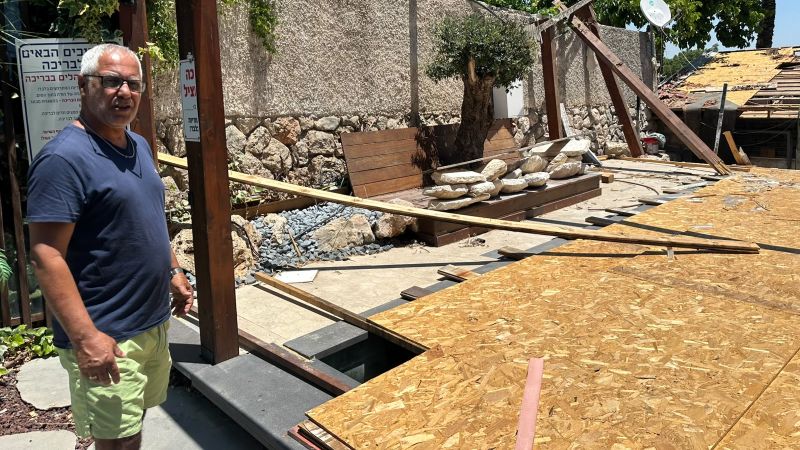
Moti Aharon, a 58-year-old resident, has witnessed the ebb and flow of conflict for decades. His century-old home, once a symbol of stability, has been hit twice, leaving the guesthouses and pool he built inoperable. “We don’t feel any ceasefires,” he said, his voice tinged with resignation. “The Americans think they can negotiate with Iran using soft language, but we’re the ones paying the price.” Aharon’s words reflect a growing distrust in diplomatic efforts, which many see as failing to grasp the realities of the conflict. “This requires root-level change,” he added, emphasizing the need for more than symbolic gestures.
Prime Minister Benjamin Netanyahu, who claimed in November 2024 that Hezbollah had been “pushed years back” by Israel’s military campaign, has faced mounting pressure to justify the war’s continuation. Yet the latest rounds of fighting have proven the group’s resilience, dragging Lebanon into a regional war that has persisted for over two years. The repeated ceasefire failures highlight the limitations of political solutions when the conflict remains deeply entrenched. “For fifty years it’s been the same game,” Aharon noted. “They shoot, we shoot. It’s nonsense to think we’ve won.”
On Tuesday, Israeli and Lebanese ambassadors are set to meet again in Washington for the fifth time in an effort to solidify peace. However, Hezbollah’s absence from these discussions has fueled accusations of being sidelined. The group has called the talks a “farce,” arguing that any agreement must include its representatives to be meaningful. An Israeli source, speaking to CNN, hinted at a potential symbolic pullback, a gesture to appease Lebanon’s government and signal a temporary reduction in hostilities. Yet this may not be enough to satisfy the townspeople who have grown weary of the cycle.
From Trump to Biden: A Diplomatic Struggle
Since April 15, the Trump administration has played a central role in negotiating ceasefires between Israel and Lebanon. Despite these efforts, the fighting has persisted, with Hezbollah continuing its attacks and Israel responding with aerial and ground operations. The war has become a test of patience for all involved, and even as Washington celebrated progress, the reality on the ground remained unchanged. The latest ceasefire proposal, however, has shifted the focus to a broader regional conflict, with Iran making an end to the war a key condition in its own talks with the US.
This alignment between Iran and Hezbollah has intensified the war’s impact on Lebanon. The country’s health ministry reported over 4,000 deaths and more than a million displaced persons as a result of the conflict. The Israeli military, meanwhile, cited 36 soldiers and four civilians killed during its operations in southern Lebanon. While these numbers underscore the human toll, they also reveal the challenges of maintaining a ceasefire. The repeated cycles of violence have forced residents to adapt, often at the cost of their livelihood