Mamdani’s hat trick in New York, Trump’s hedged bet in South Carolina, and other takeaways from Tuesday’s primaries
Sandego.net – Tuesday’s primary elections across the U.S. delivered a wave of political shifts, with New York City Mayor Zohran Mamdani leading a notable trend of progressive victories. His endorsement of House candidates in three congressional races proved decisive, as democratic socialist-backed contenders secured wins in key districts, challenging established Democratic figures. These results signal a broader ideological realignment within the Democratic Party, echoing tensions that will shape the 2028 presidential race and the midterms in November.
New York’s Progressive Surge
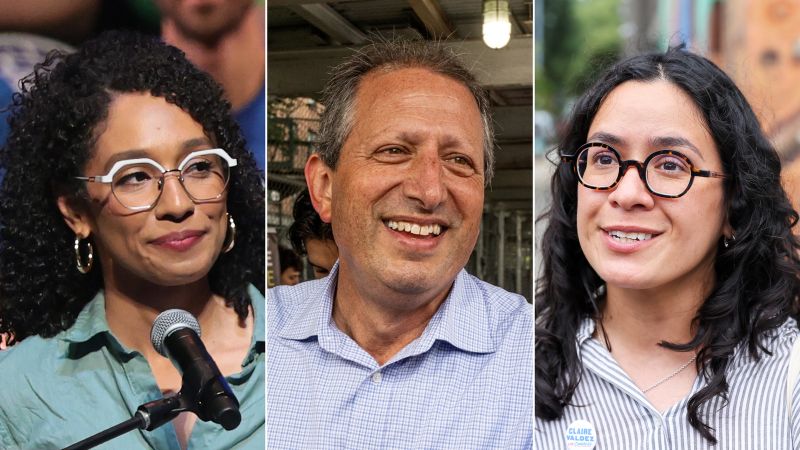
In the 13th Congressional District, democratic socialist candidate Darializa Avila Chevalier edged out Rep. Adriano Espaillat, a prominent member of the Congressional Hispanic Caucus, in a contest that centered on the U.S. relationship with Israel. Similarly, Assemblywoman Claire Valdez defeated Brooklyn Borough President Antonio Reynoso to replace outgoing Rep. Nydia Velázquez in the 7th District. Meanwhile, Brad Lander, Mamdani’s ally and former city comptroller, ousted Rep. Dan Goldman in the 10th District. The trio’s success underscores a growing appetite among New York voters for progressive leadership.
Mamdani’s influence extended beyond the congressional races, as he celebrated with the candidates at Lander’s event. Addressing the crowd, he acknowledged his former mayoral rival, stating, “His vision of politics is more than what we’ve seen for so long.” This moment highlights the deepening divide within the party, with progressive candidates leveraging Mamdani’s support to challenge traditional Democrats.
The momentum in New York reflects a broader upheaval in the Democratic Party, with progressive figures gaining traction in cities like Seattle and Washington, D.C. Earlier this month, Janeese Lewis George, a democratic socialist, won the mayoral primary in Washington, DC, setting her up for a likely general election victory. In Los Angeles, Nithya Raman, a city councilwoman, advanced to a runoff against incumbent Mayor Karen Bass, a stalwart of California’s Democratic establishment. These developments suggest that the party’s leftward tilt may accelerate, even in traditionally blue strongholds.
South Carolina’s Mixed Signals
While New York’s primaries showcased progressive dominance, South Carolina’s results painted a different picture. President Donald Trump’s impact on Republican voters appeared muted, with no clear front-runner emerging in the state’s race for governor. This lack of a defined path for Trump indicates that Republican primary voters may be searching for alternatives, though the outcome remains uncertain.
Meanwhile, voters in Maryland and Utah cast their ballots, adding to the complexity of the day’s elections. In Maryland, the focus remained on state-level races, while Utah’s contests highlighted the challenges of flipping traditionally Republican-leaning districts. The combination of these races underscored the varied dynamics across the country, with some states signaling continued support for Trump and others opening the door for new voices.
A Fractured Democratic Electorate
The primary outcomes reveal a Democratic electorate deeply opposed to Trump but dissatisfied with its own leadership. While progressive candidates thrive in urban areas, moderate figures still hold sway in certain regions. In New York’s 12th District, a Manhattan seat with a historic electorate, voters chose Micah Lasher—a state assemblyman backed by establishment Democrats—over progressive favorite Alex Bores, who advocates for AI regulation. This decision suggests that not all Democratic voters are aligned with the leftward shift, particularly in districts where moderate candidates can appeal to a broader base.
Jack Schlossberg, who positioned himself as a reformer, finished third in the 12th District race, with his campaign failing to revive the legacy of his grandfather, John F. Schlossberg, who was once a symbol of Democratic idealism. The rejection of his “Camelot” vision highlights the challenge progressive leaders face in resonating with voters who prioritize practical policies over nostalgic symbolism.
Utah’s Democratic primary also demonstrated a divide, as voters supported moderate former Rep. Ben McAdams over more progressive challengers in the redrawn 1st District. This outcome suggests that in some areas, the party’s centrist wing remains influential, even as progressive forces push for change.
Implications for the Party’s Future
Democratic officials are now grappling with the implications of these results. The surge of progressive candidates in New York and other cities may signal a long-term shift toward more left-leaning leadership, particularly if Democrats secure majorities in the House, Senate, or both in November. However, the mixed outcomes in districts like the 12th and 1st suggest that the party’s evolution will be a gradual process, with both establishment and progressive factions vying for influence.
Senators John Fetterman and Cory Booker offered contrasting perspectives on the trend. Fetterman called the progressive movement “the dirtbag left is surging,” while Booker emphasized the party’s diversity, stating, “Our party’s not homogenous. One of the things that make the Democratic Party great is it’s a big tent party. We need to stay that way.” These remarks highlight the internal debate over how to balance ideological ambition with the need for broad appeal.
As the Democratic Party navigates these changes, Republicans are positioning themselves to capitalize on the left’s more radical positions. By framing progressive policies as divisive, they aim to rally moderate voters in battleground states and districts. The upcoming midterms could serve as a litmus test for the party’s ability to unite under a single vision, even as its ideological factions continue to evolve.
The results of Tuesday’s primaries are more than a snapshot of current political sentiment—they are a preview of the battles that will define the Democratic Party’s trajectory. From New York to Washington, D.C., and beyond, the race for leadership is intensifying, with voters demanding both change and clarity. The coming months will be critical in determining whether this momentum translates into lasting gains or signals a temporary realignment.