As Price of Fuel Ratchets Up, Protests Spread Worldwide
Sandego.net – As price of fuel ratchets up, public frustration is growing from the Middle East to Central America and Europe. Months of war between the United States and Iran have pushed energy costs higher, forcing households, businesses and governments to confront increasingly difficult financial pressures.
Oil climbed above $100 a barrel again last week after further US attacks on Iranian oil tankers in the Gulf and renewed fighting in Yemen raised concerns about shipping through the Bab al-Mandab Strait. The effects are being felt far beyond the conflict area, adding to the cost of gasoline, diesel and heating oil.
In the United States, drivers are paying more at the pump and households that rely on heating oil have been warned about an expensive winter. Analysts have projected that prices could rise by 30% during the Iran war. For lower-income countries, the consequences can be especially severe because fuel costs shape the price of transport, food distribution and essential services.
Fuel is a necessity for many families and businesses, not a discretionary purchase. It affects whether people can travel to work, goods can reach markets and small companies can remain open. As price of fuel ratchets higher, economic anxiety is increasingly turning into public demonstrations.
Syria Faces Its Largest Protests Since Assad’s Fall
A steep weekend increase in fuel prices sparked protests across Syria, creating the country’s largest wave of demonstrations since the Assad regime fell two years ago.
The government temporarily raised diesel prices to 175 Syrian pounds, or $1.43 per liter, an increase of about 40%. Gas prices rose by more than 25%. Syria’s Energy Ministry blamed higher international prices and maintenance at the Baniyas refinery, the country’s largest, which has increased reliance on imported fuel.
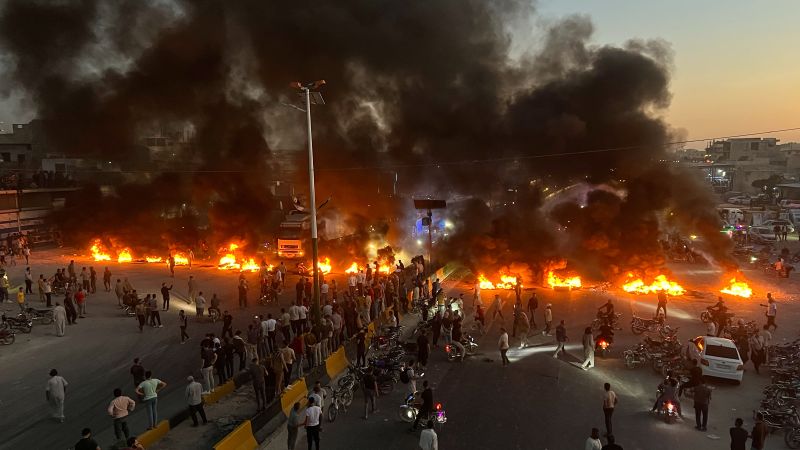
While many rallies were peaceful, protests in several areas became tense. Demonstrators blocked the highway between Hasaka and Deir ez-Zor, burned tires and stopped oil tankers. Footage from Aleppo showed protesters lighting tires and chanting against the fuel-price decision.
Muaz Al Abdullah, a Syria analyst at ACLED, said the unrest reflects more than one price decision. Concerns about shortages, declining purchasing power and poor public services have built over time, with some protesters now demanding the policy be reversed and officials, including the energy minister, be removed.
“All those present here want a reduction in diesel prices,” Syrian protester Yasser Salim said. “We don’t want higher wages, we want cheaper fuel.”
Another demonstrator, Bassam al-Ali, questioned spending on projects he considered less urgent than the cost of daily necessities. His comments reflected concern that patience may continue to erode if living conditions worsen.
Guatemala Seeks Relief From Rising Diesel Costs
Guatemala has also seen truckers and other demonstrators protest rising fuel costs. Blockades appeared on highways in several parts of the country last week, with some incidents involving damage. Other protesters marched peacefully through Guatemala City, urging the government to act quickly.
Lawmakers are considering legislation to cap fuel prices through the end of the year. Under the proposal, importers would receive government subsidies if market prices rose above the established ceiling. The measure remains under consideration, leaving consumers and businesses uncertain about when relief could arrive.
Congress president Luis Contreras Colindres described fuel costs as a national challenge that requires cooperation between lawmakers, the executive branch and other institutions. He said households cannot absorb prices at this level without serious effects on their finances.
“Diesel is the engine that drives this country’s economy,” Contreras said.
Diesel prices influence much more than the cost of filling a vehicle. Trucks carry food, agricultural supplies, construction materials and consumer goods, meaning higher transport expenses can reduce business margins and raise prices for shoppers.
Portugal Adds Fuel Prices to Wider Cost-of-Living Concerns
In Portugal, concerns about fuel have become part of a wider debate over the cost of living. About 80 people joined a protest in the coastal city of Espinho on Saturday, where local business leaders called on the government to provide support.
As price of fuel ratchets up across international markets, the political pressure is likely to remain. Governments face a difficult balance between protecting public finances, responding to energy-market disruptions and helping people who cannot easily absorb higher daily costs.
Fuel Price FAQ
Why do higher fuel prices affect food and everyday goods?
Fuel is used to transport products, power machinery and support supply chains. When diesel and gasoline become more expensive, businesses may pass some of those added costs on to consumers.
Why are fuel prices rising during the Iran war?
Conflict and attacks involving oil tankers can raise concerns about supplies and shipping routes. Those risks can push oil prices upward and increase the cost of imported fuel in countries far from the fighting.
What can governments do when fuel prices surge?
Governments may consider temporary subsidies, price caps or other targeted relief measures. Such policies can reduce immediate pressure on households, but they also require funding and may not fully protect consumers from prolonged global price increases.
Related Reading
Frequently Asked Questions
What is As price of fuel ratchets up so?
As price of fuel ratchets up so is the main topic of this guide. The article explains the context, practical details, and next steps readers should understand.
Why does As price of fuel ratchets up so matter?
As price of fuel ratchets up so matters because readers are looking for a useful answer, not just a short summary. Good content should match search intent and help them decide what to do next.