Trump’s search for a Ukraine settlement runs into Putin’s very different calculation
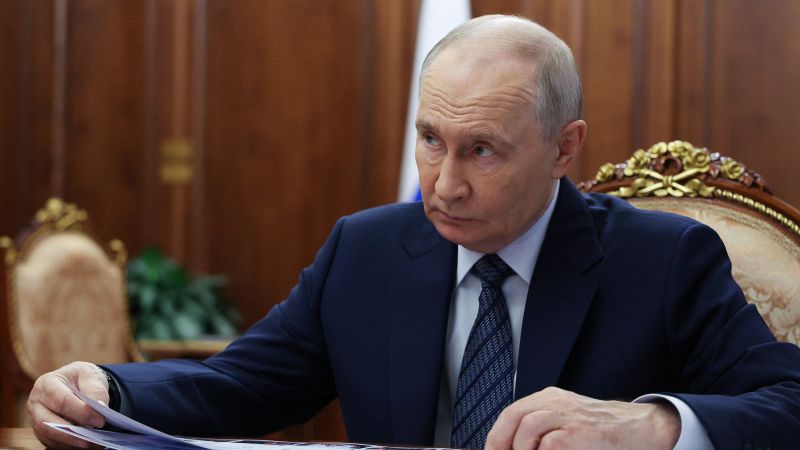
Sandego.net – Donald Trump’s push for a rapid end to the war in Ukraine rests on a simple proposition: stopping the bloodshed could unlock both peace and economic opportunity. For Vladimir Putin, however, the conflict appears to remain tied to strategic demands that Russia has shown little willingness to abandon.
The gap between those views has repeatedly complicated Washington’s attempts to move negotiations forward. Trump has portrayed the war, now in its fifth year, as a senseless tragedy that is consuming the lives of thousands of “young, beautiful kids” each month. His approach combines pressure for a ceasefire with the prospect of renewed commercial ties, fewer sanctions and broader economic engagement with Moscow.
That logic may be persuasive to a dealmaker focused on immediate gains. It is far less certain that it can shift the Kremlin’s priorities. Putin has continued to insist on Russian control over the whole Donbas region and has sought influence over Ukraine’s future security arrangements. Those positions leave little room for the kind of quick compromise Trump has publicly envisioned.
St. Petersburg talks highlight the divide
The contrast was clear during Steve Witkoff’s latest meeting with Putin in St. Petersburg. Trump’s special envoy, once known for his business relationship with the president, met the Russian leader after discussions in Norway involving US, European, NATO and Ukrainian officials, including President Volodymyr Zelensky.
Putin told Witkoff he was “curious” about the outcome of those meetings, where participants explored possible peace ideas and economic incentives for Russia. Yet the Kremlin’s response after the briefing was dismissive. A senior aide said the proposals offered little real value in settling what Moscow calls the Ukrainian crisis.
“In truth, these contained little of actual value for resolving the Ukrainian crisis.”
The reaction was hardly surprising. Russia has held firmly to maximalist demands while continuing to frame any settlement around its own military and political objectives. From Moscow’s perspective, economic proposals may be welcome, but they do not necessarily outweigh what Putin sees as the larger stakes of the war.
Economic gestures bring limited diplomatic leverage
The White House had reason to hope that recent moves might encourage more flexibility. Trump lifted sanctions on Russian diesel exports the previous week, a decision aimed in part at easing fuel prices in the United States before the midterm elections. The change also provided a significant benefit to Moscow.
Trump later announced an energy ceasefire that ultimately failed. The arrangement would have required Ukraine to stop drone attacks targeting Russian oil refineries. During the ensuing disputes, US intelligence sharing was affected, and Trump called for changes in Ukraine’s leadership—language that aligned closely with Kremlin preferences.
Rather than interpreting such steps as an invitation to make concessions, Moscow may regard them as evidence that its outreach to Washington is working. That creates a difficult diplomatic dynamic: gestures designed to create negotiating space can instead reinforce the belief that Russia can gain practical advantages without reducing its demands.
The Kremlin also used the St. Petersburg meeting to emphasize possible commercial cooperation. Putin praised the diesel arrangement and raised the prospect of increased Russian fertilizer exports to the United States. Kiril Dmitriev, who heads Russia’s sovereign wealth fund and has served as an important channel to Trump administration officials, described other subjects under discussion.
“We are also discussing different projects such as data centers, projects in energy and energy cooperation,” Dmitriev said after the talks.
Such proposals fit a familiar pattern. They offer the prospect of profitable projects and a less confrontational bilateral relationship, while leaving the central disagreements over Ukraine unresolved. For Trump, commercial incentives can be part of a broader formula for ending a costly war. For Putin, they can also serve as a way to keep communication open while preserving Russia’s negotiating position.
A humanitarian gesture with political weight
Shortly before the St. Petersburg talks, Russia released Stephen Hubbard, a 74-year-old American citizen from Michigan who had been held after being captured in Ukraine in 2022, during the opening phase of Moscow’s full-scale invasion. Witkoff described Putin as “a humanitarian” in connection with the release.
Hubbard had reportedly suffered serious health problems. His release carried an obvious human dimension, but it also had diplomatic significance. Prisoner releases can build goodwill and provide leaders with tangible evidence of engagement, even when the broader policy dispute remains deeply entrenched.
That is the core challenge confronting Trump’s effort. Personal outreach, commercial opportunities and humanitarian steps can all reduce tensions at the margins. None of them, by themselves, resolve the question of whether Russia is prepared to retreat from its objectives in Ukraine.
A durable agreement would need to address the security of Ukraine, the status of contested territory and the conditions under which fighting could actually stop. As long as Moscow views the war as a route to strategic advantage, the promise of trade, energy partnerships or sanctions relief may not be enough to produce the compromise Washington seeks.
Trump sees a potential bargain in which peace brings prosperity and ends a devastating loss of life. Putin appears to see a different opportunity: preserving leverage over Ukraine while drawing economic and political concessions from the West. Until those two calculations converge, the path from negotiations to peace will remain uncertain.
Related Reading
Frequently Asked Questions
What is Where Trump sees a deal Putin?
Where Trump sees a deal Putin is the main topic of this guide. The article explains the context, practical details, and next steps readers should understand.
Why does Where Trump sees a deal Putin matter?
Where Trump sees a deal Putin matters because readers are looking for a useful answer, not just a short summary. Good content should match search intent and help them decide what to do next.