Exxon Mobil Gains Legal Ground Against Cuba’s State-Owned Oil Firms
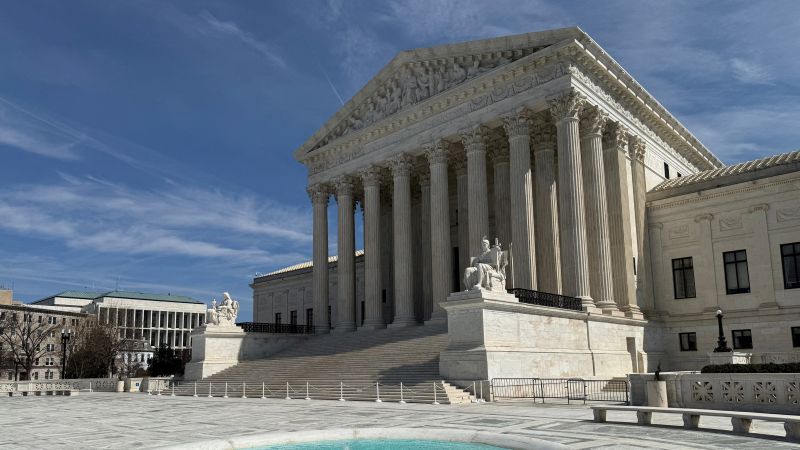
Sandego.net – In a landmark ruling on Tuesday, the U.S. Supreme Court greenlit Exxon Mobil’s legal action against Cuba’s state-controlled oil entities, citing the 1960 property seizure by Fidel Castro’s regime as the central issue. This decision marks a pivotal moment in the ongoing effort to hold Cuba accountable for its historical expropriation of American assets, particularly in the context of President Donald Trump’s assertive approach toward Havana. The ruling was delivered by Justice Brett Kavanaugh, who authored the majority opinion supported by a 6-3 vote, while the liberal justices expressed their disagreement in the dissenting ruling.
The case, which has been decades in the making, centers on the confiscation of assets that occurred shortly after Castro’s revolution in 1960. At that time, the Cuban government seized control of Standard Oil Company’s extensive operations in the island nation, including a refinery, multiple product terminals, and 117 service stations. These assets were integrated into state-owned enterprises, effectively ending Standard Oil’s presence in Cuba. The American commission in 1969 certified the company’s losses at nearly $72 million, setting the stage for future legal claims.
Exxon’s current lawsuit hinges on the 1996 law that enables U.S. nationals to sue foreign governments for seized property. This statute, passed by Congress, directly challenges another federal law that typically bars Americans from initiating such litigation. The company argues that the 1996 law effectively overrides the existing barrier, allowing them to seek compensation for their historical losses. However, the Cuban state-owned companies contend that they should be shielded from litigation, citing the broader principle of sovereign immunity.
Justice Kavanaugh’s opinion emphasized the importance of enabling U.S. citizens to pursue justice for assets wrongfully taken by foreign regimes. “The United States has compelling foreign-policy interests in ensuring that U.S. nationals whose assets were illegally expropriated by Fidel Castro’s communist regime receive recompense and in preventing the Cuban government from further benefiting from its wrongdoing,” the Department of Justice stated in its brief to the court. This legal move is part of a larger strategy by the Trump administration to intensify pressure on Cuba through a mix of economic, diplomatic, and military actions.
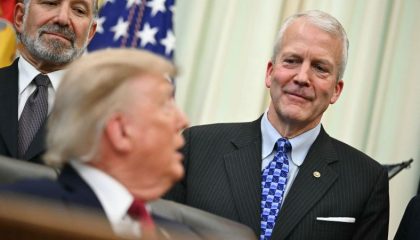
In May, the Trump administration indicted former Cuban President Raúl Castro on charges stemming from his alleged role in the 1996 shootdown of two civilian aircraft. The incident, which resulted in four fatalities, including three Americans, became a focal point for the administration’s campaign to hold Havana accountable. Trump also hinted at potential military intervention, telling reporters in March that he might “have the honor of taking Cuba,” a statement underscoring the administration’s willingness to escalate tensions.
The Supreme Court’s decision in the Exxon case follows a similar ruling earlier in the week involving cruise ship operators. An 8-1 court allowed a lawsuit against the world’s largest cruise companies, which had docked at Havana’s port during the Obama administration’s diplomatic thaw. This case, decided the day after Castro’s indictment, highlighted the court’s openness to legal actions targeting Cuban interests, even as relations with the island nation had previously seen periods of reconciliation.
Exxon’s legal battle is not only about historical compensation but also about setting a precedent for future claims. The company asserts that Congress intended for the 1996 law to serve as a clear pathway for lawsuits against foreign governments that have seized American property. The potential financial stakes are substantial, as interest and triple damages could push the total claim into the hundreds of millions of dollars. This has drawn attention to the broader implications of the ruling, particularly in how it might influence similar cases involving other nations.
Lower courts had previously issued mixed rulings on the matter, with some dismissing the case and others allowing it to proceed. The D.C. Circuit, however, rejected Exxon’s argument that the 1996 law provided a straightforward legal basis for their claim. The Supreme Court’s intervention now ensures that the case can move forward, with the company poised to seek redress for its historical losses. The ruling also underscores the growing emphasis on using domestic legal frameworks to challenge foreign policies, a trend that has been amplified under the Trump administration.
Congress and the federal judiciary have traditionally been cautious about allowing lawsuits against foreign governments in U.S. courts. This hesitation stems from concerns that such actions could trigger reciprocal legal measures abroad, potentially exposing the United States to similar claims. However, the Exxon case has reignited discussions about the balance between national interests and the rights of U.S. citizens to pursue justice for expropriated assets. The court’s decision to favor Exxon reflects a shift in this dynamic, aligning with the administration’s goal of using legal tools to pressure Cuba.
Exxon’s victory in the Supreme Court is part of a series of legal and geopolitical actions aimed at tightening the economic and political ties between the U.S. and Cuba. The 1996 law, which facilitates such lawsuits, has been a key instrument in this campaign. By allowing Exxon to proceed, the court has set a precedent that could empower other U.S. companies to seek compensation for assets taken by Cuban authorities. This development comes as the Trump administration continues to leverage legal frameworks to advance its foreign policy objectives, even in the face of resistance from the Cuban government.
The ruling also has implications for international law and the relationship between sovereign nations. It reinforces the idea that foreign governments can be held accountable for actions that impact U.S. citizens, particularly when those actions are perceived as unjust. The case has sparked debates about the effectiveness of legal mechanisms in addressing historical grievances and the role of domestic courts in international disputes. As the lawsuit moves forward, it will serve as a test case for the broader application of the 1996 law and its impact on U.S.-Cuba relations.