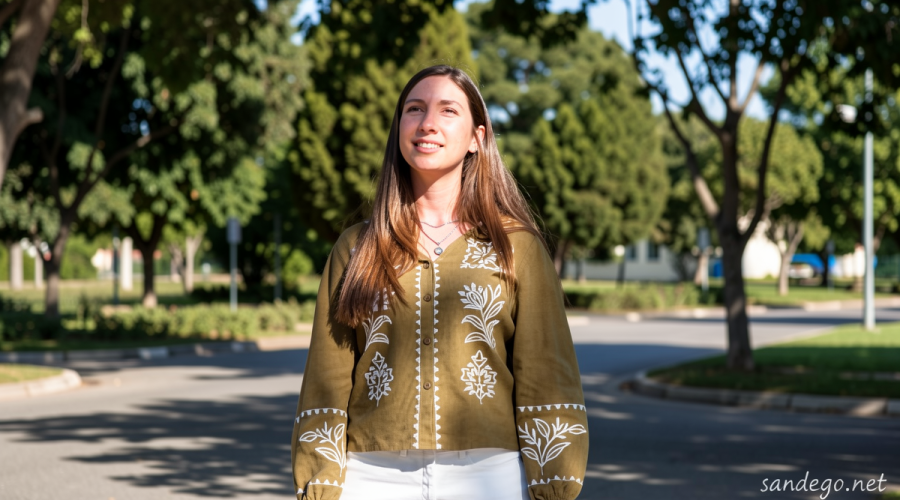
When Rent Hits $4,200 a Month, New Yorkers Are Sharing Homes With Strangers
Sandego.net – The median asking rent across New York City climbed to $4,200 in July 2026, a 30% jump from July 2019, according to listing data tracked by StreetEasy. In Manhattan alone, that figure reaches $4,995. For comparison, the national median rent stood at $1,388 per month as of the same period, per Apartment List. Against that backdrop, a growing number of young residents are abandoning conventional apartment hunting entirely and instead moving into the homes of much older adults — sometimes with little more than a handshake and a set of house rules.
A 25-Year-Old Trades His Manhattan Internship Pad for a Queens Second Floor
Charles Jones III, 25, grew up in Boise, Idaho, and arrived in Manhattan on the back of an internship that included temporary housing. When that arrangement expired, the math was brutal: most nearby rentals sat well above what his paycheck could cover, and the upfront costs — security deposits, broker fees, administrative surcharges — could push move-in expenses into the thousands before a single night was spent in the unit.
Rather than keep scrolling through listings, Jones took a path his internship supervisor had mentioned: a home-sharing program run by the nonprofit New York Foundation for Senior Citizens (NYFSC). The program pairs adults with spare rooms in their homes with other adults seeking shelter. The stipulation is straightforward — at least one participant in the arrangement must be 60 or older.
Jones was matched with an elderly woman who owns a house in Jamaica, Queens. The terms he accepted included keeping his space tidy, barring overnight visitors, and forgoing his own furniture. In exchange, there is no curfew; he may leave and return at will. One seasonal obligation remains: helping clear the driveway after a snowfall.
He moved in this month and pays $800 per month for the entire second floor.
“We hit it off,” Jones said of the initial meeting with his new roommate. He said she was impressed by his ambition to work in public policy. “She reminded me of my grandma.”
The Program’s Origins and Its Growing Younger Cohort
Linda Hoffman, president and CEO of the NYFSC, explained that the foundation originally facilitated home-sharing only between senior citizens. Over time, staff noticed a parallel demand from younger New Yorkers who had just graduated, landed a first job, or relocated without a social network.
“We realized there are these younger that need affordable housing as well,” Hoffman said. “We have people who have just gotten out of school, are looking for jobs or have new jobs here and don’t know anyone.”
The financial gap between the program and market rentals is substantial. NYFSC data show the average monthly fee charged by hosts to their housemates is $1,108 — roughly a quarter of what a comparable Manhattan apartment would cost. For context, a 2024 report from the New York City Comptroller’s Office found that a majority of New Yorkers are “rent-burdened,” meaning they allocate more than 30% of gross income to rent and utilities. In Manhattan, a household would need to earn approximately $199,800 annually to fall below that threshold, based on StreetEasy’s July 2026 median rents.
Interest from younger participants has been climbing steadily. In fiscal year 2023-24, 16.1% of home-share matches involved someone aged 30 or younger. That share rose to 18% in fiscal year 2024-25 and reached 20.4% in the fiscal year that ended in June, Hoffman noted.
TikTok Goes Viral: A 22-Year-Old’s One-Month Roommate Experiment
With rents at historic highs, social-media posts detailing money-saving hacks for New York life routinely accumulate thousands of likes. One such post came from William Swanson, 22, a Massachusetts native who relocated to the city this spring. His TikTok documenting his experience living — and bonding — with an elderly roommate went viral.
Swanson’s position began June 1, earlier than most of his college friends’ start dates. He needed roughly a month of housing while waiting for them to arrive so the group could search for an apartment together. Short-term rentals near his workplace started at $2,500 per month, he said. Then he spotted a listing for a room in Midtown East offered by Aleyda, a 70-year-old woman who primarily speaks Spanish. The asking price was $1,900 per month.
“It was expensive, but the other option was basi—”
The sentence trails off in the original account, but the implication is clear: the alternative was paying several thousand dollars for a transient stay or delaying his job start entirely.
Why the Housing Crunch Is Pushing Younger Renters Into Unfamiliar Territory
New York City has long carried a premium price tag, but the current squeeze is structural. Wage growth has failed to outpace inflation, and the city is confronting what officials describe as its most severe housing shortage in a generation. New construction has not kept pace with population inflow, and the pipeline of affordable units remains thin relative to demand.
In that environment, arrangements that would have seemed unusual a decade ago — a young professional sleeping above a retired neighbor’s kitchen, a recent graduate sharing a Queens bungalow with a woman half his age older — are becoming practical solutions rather than last resorts. The NYFSC model, with its modest average fee and built-in social structure, offers a template that other cities with comparable rent-to-income gaps may examine as their own younger cohorts face the same arithmetic.
For Jones, the arrangement has settled into something closer to family than to a rental. He keeps his own schedule, contributes to household upkeep, and pays a fraction of market rate. The trade-off, by his account, is worth the small loss of autonomy that comes with sharing a roof.
Related Reading
Frequently Asked Questions
What is From living with nuns to sharing?
From living with nuns to sharing is the main topic of this guide. The article explains the context, practical details, and next steps readers should understand.
Why does From living with nuns to sharing matter?
From living with nuns to sharing matters because readers are looking for a useful answer, not just a short summary. Good content should match search intent and help them decide what to do next.