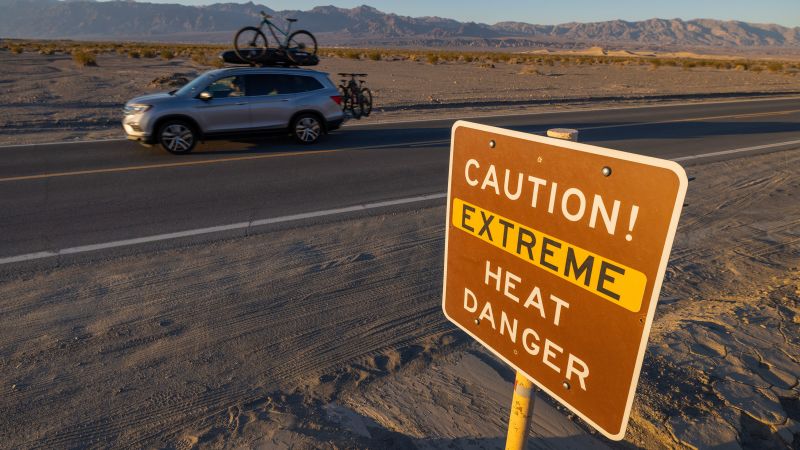
Traveling to a Heatwave Zone: What Tourists Should Know
Sandego.net – Record-breaking heat has surged across global hotspots, disrupting travel plans and posing risks to visitors. As temperatures climb to unprecedented levels, travelers are now facing a critical decision: should they adjust their itineraries, seek refunds, or find strategies to manage the extreme conditions? Experts and authorities have issued guidelines to help navigate the challenges, offering practical advice for those planning trips to regions under heat advisories.
Heatwaves Impact Major Destinations
Extreme heat has already claimed lives and strained infrastructure in some of the world’s most visited areas. In the United States, Grand Canyon National Park is experiencing dangerously high temperatures, with the National Weather Service predicting that Phantom Ranch, a low-elevation site, will see heat reaching or surpassing 110 degrees Fahrenheit (43 degrees Celsius) this week. This has led the National Park Service to warn visitors to avoid hiking during peak heat hours, following a recent spike in heat-related incidents, including the tragic deaths of two hikers on the North Kaibab Trail.
Meanwhile, in Europe, health authorities in France, Spain, and the United Kingdom have activated emergency alerts due to soaring temperatures. In France, Monday marked the hottest night since 1947, with provisional records showing a peak of 37.8 degrees Celsius (100 degrees Fahrenheit). Several towns across the country have also recorded their highest temperatures ever. Spain, too, is feeling the intensity, as the weather service AEMET reports that Andújar, a southern municipality, has hit 113 degrees Fahrenheit. In the UK, record-breaking heat is expected this week, prompting school closures and a rare heat-health alert from the Met Office, which highlights the potential threat to human life.
“Humidity is also a factor, making this heatwave even more impactful with heat stress a danger to all,” the Met Office stated in its Monday update.
These extreme conditions are not isolated to specific regions. As the planet continues to warm, heatwaves are becoming more frequent and severe, affecting travel plans worldwide. With heat alerts currently active in 23 European countries, including Germany, France, Spain, Switzerland, and Luxembourg, the risk to tourists is growing. In areas where temperatures are consistently high, it may be difficult to maintain regular sightseeing schedules, forcing travelers to adapt or abandon their plans.
Adapting to the Heat: Practical Tips for Travelers
For those still planning to visit affected areas, adjusting routines can make a significant difference. Starting the day early is crucial, as temperatures typically rise sharply by mid-morning. While midday is often considered the peak heat, studies show that the most oppressive conditions occur in the late afternoon, when humidity levels combine with intense sunlight. Travelers are advised to limit outdoor activities during these hours and seek refuge in shaded or air-conditioned spaces.
Staying cool is essential. In Europe, public fountains provide a convenient way to access cold water, which can be used to wipe hands, wrists, and faces regularly. Taking cool showers and allowing them to air-dry helps regulate body temperature. Italian officials recommend spending at least three hours daily in climate-controlled environments, such as museums or galleries, to counteract the effects of prolonged exposure.
Appropriate clothing is another key factor. Lightweight, breathable fabrics can reduce the strain of heat on the body, while loose-fitting garments allow for better air circulation. Sunscreen should be applied frequently, even on cloudy days, to protect against UV radiation. A handheld fan, often overlooked, can offer relief by creating a cooling breeze in enclosed spaces. For those with chronic health conditions, such as asthma, additional precautions are necessary, as heat can exacerbate respiratory and cardiovascular issues.
Hydration is vital. The Centers for Disease Control and Prevention (CDC) emphasizes the importance of drinking water regularly, even before feeling thirsty. Foods with high water content, like raw vegetables, salads, and fruits such as watermelon and grapes, can help maintain fluid balance. In areas where temperatures are forecast to remain dangerously high, travelers should also monitor for signs of heat exhaustion, such as dizziness, nausea, or rapid heartbeat.
Planning for the Unpredictable
With the likelihood of prolonged heatwaves increasing, some experts suggest reconsidering travel schedules. While many destinations remain open, the risk of closures or evacuations is rising. For instance, heat-related emergencies may lead to the temporary shutdown of tourist attractions, as seen in the UK’s response to record temperatures. Schools and public facilities are also closing to protect vulnerable populations, including children and the elderly.
Refunds and rescheduling may be options for those affected. However, the availability of such measures depends on the destination and the specific circumstances of the heatwave. In the US, the National Park Service is working to ensure visitor safety, but this could mean altering hiking routes or reducing hours of operation. In Europe, some regions are experiencing such severe conditions that officials are urging people to stay indoors or limit physical exertion.
Despite these challenges, travel remains possible with careful preparation. The advice to “get out and about first thing in the morning” is reinforced by the fact that temperatures often climb steadily until early evening. By adjusting schedules and prioritizing comfort, tourists can still enjoy their trips while minimizing health risks. However, the need for vigilance is greater than ever, as the combination of high heat and humidity can create life-threatening situations.
As global temperatures continue to rise, heatwaves are expected to become more frequent and intense. This means that travelers may need to be more flexible with their plans. Whether for leisure or business, the key to a successful trip lies in heeding local warnings and taking proactive steps to stay safe. By adapting to the changing climate, tourists can navigate the challenges of extreme heat and ensure their experiences remain enjoyable and secure.
With dozens of heat-related incidents reported and records being shattered daily, the situation is evolving rapidly. The advice from authorities is clear: stay informed, stay hydrated, and prioritize comfort. As the world grapples with the impacts of climate change, travelers must be prepared to adjust their expectations and embrace the need for caution. The heatwave is not just a temporary inconvenience—it’s a growing threat that requires thoughtful planning and awareness.
For those who choose to proceed, the rewards of travel may still be worth the effort. However, the importance of safety cannot be overstated. By following recommended practices and remaining adaptable, visitors can turn the challenges of extreme heat into opportunities for resilience and preparedness. As the summer season progresses, the need for careful planning has never been more urgent.