Trump Administration Targets Healthcare Fraud with Major Charges
Sandego.net – The Trump administration has intensified its campaign against healthcare fraud, with the Department of Justice announcing on Tuesday a significant crackdown that implicated 455 individuals, including healthcare professionals, in a scheme estimated to cost over $6.5 billion. This initiative, part of the annual National Health Care Fraud Takedown, focuses on uncovering fraudulent activities that not only drain public funds but also endanger patients. The cases involve a range of tactics, from falsifying medical diagnoses to manipulating billing processes, highlighting the administration’s commitment to addressing systemic issues in the healthcare sector.
Extensive Network of Fraudulent Activities
The defendants, comprising 90 doctors and other medical staff, were part of a broader network accused of submitting false claims to Medicare and Medicaid programs. These programs, which provide health coverage to millions of Americans, have become a focal point for the administration’s efforts to curb financial waste and protect beneficiaries. The fraudulent schemes spanned multiple states and involved complex operations designed to conceal improper payments. According to the Justice Department, the cumulative harm from these acts includes not just monetary losses but also critical risks to patient well-being.
One notable case involves an 18-year-old college basketball player, Kaiden Francis, whose death was linked to a medical oversight. Officials revealed that a healthcare provider allegedly rubber-stamped a cardiovascular test, failing to inform the family that the patient’s heart had enlarged. This negligence contributed to Francis’s untimely demise during a workout session weeks later. The incident underscores the real-world consequences of fraudulent practices in the medical field, emphasizing how systemic corruption can directly impact individual lives.
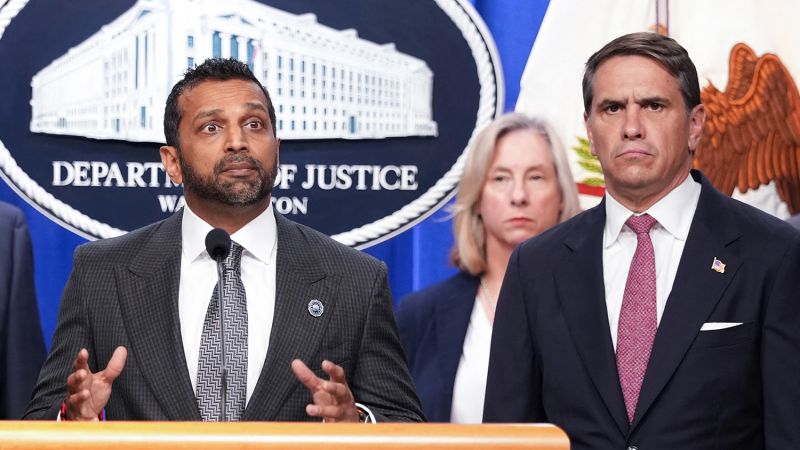
“Fraudsters can no longer rip off American taxpayers,” said Acting Attorney General Todd Blanche at a press conference. “If you seek to harm or cheat Americans, we will find you, seize any assets, and prosecute you to the fullest extent of the law.”
Blanche’s statement reflects the administration’s resolve to hold perpetrators accountable, even as critics argue that the efforts may target specific regions or political groups. The Justice Department noted that 45 states and territories participated in this year’s takedown, marking a record number of jurisdictions involved. Health Secretary Robert F. Kennedy Jr. highlighted the collaboration during the event, stating that the initiative aims to disrupt fraudulent networks across the country.
Political Bias and Strategic Focus
While the administration has framed its actions as a bipartisan effort, some governors from Democratic-led states have raised concerns about political bias. They argue that the focus on Medicare and Medicaid fraud disproportionately targets regions with progressive policies, potentially creating a perception of selective enforcement. Despite these claims, the Trump administration maintains that its approach is necessary to ensure transparency and efficiency in healthcare funding.
The initiative has also drawn attention to Dr. Mehmet Oz, who oversees the Centers for Medicare and Medicaid Services (CMS). Oz, known for his media presence, has leveraged his television background to identify high-risk areas for fraud. By producing targeted videos and outreach campaigns, he has positioned himself as a central figure in the administration’s strategy to combat deceptive practices. The CMS’s goal is to intercept fraudulent claims before they result in unnecessary payments, thereby reducing the financial burden on taxpayers.
Major Settlements and Cross-State Impact
Among the charges, several high-profile cases stand out. In Arizona, a company was implicated in a $2 billion scheme involving exaggerated wound care claims, while a separate case in Texas saw $906 million in fraudulent payments. Additionally, a California hospice owner allegedly paid a funeral home employee for information about recently deceased patients to bill Medicare for extended hospice services. These examples illustrate the diverse nature of the fraud, from billing abuses to data manipulation.
The takedown also revealed charges against 295 individuals related to Medicaid fraud, with over $518 million in false claims submitted to the program. This marks the largest-ever number of people charged and the highest amount of funds lost to fraud in the Justice Department’s history. The scale of the operation underscores the administration’s aggressive stance on financial misconduct within the healthcare system. However, the focus on Medicaid has sparked debates about the balance between accountability and fairness in targeting specific providers or regions.
Comparing the current takedown to previous efforts, the $6.5 billion figure surpasses last year’s $14.6 billion in alleged fraud, indicating a potential increase in the scope of fraudulent activities. While the Justice Department’s annual takedown has consistently addressed major cases, the administration’s emphasis on Medicare and Medicaid reflects a strategic shift toward programs that are critical for vulnerable populations. This focus may also be influenced by the political landscape, as the agencies are often under scrutiny for inefficiencies or overspending.
Broader Implications for Healthcare Integrity
The charges against 455 individuals and the $6.5 billion in losses highlight the growing concern over healthcare fraud in the United States. By targeting both individual actors and institutional networks, the administration aims to restore public trust in the healthcare system. However, the success of these efforts depends on the effectiveness of enforcement and the transparency of the processes used to identify and prosecute offenders.
Experts emphasize that while the Trump administration’s actions are significant, they are part of a larger challenge to address systemic issues in healthcare finance. The fraudulent schemes uncovered in this takedown reveal vulnerabilities in billing systems, regulatory oversight, and the pressure on providers to maximize revenue. As the Justice Department continues its investigations, the focus on Medicare and Medicaid may shape future policies and regulations aimed at preventing similar abuses.
In conclusion, the Trump administration’s latest healthcare fraud takedown represents a multifaceted effort to hold individuals and organizations accountable for financial misconduct. The cases involving 455 defendants, including doctors, demonstrate the administration’s determination to tackle these issues at their core. While the actions have drawn praise for their scope and impact, they also raise questions about the fairness of targeting specific states or regions. As the cases unfold, the outcomes may provide insights into the effectiveness of these measures in safeguarding the integrity of America’s healthcare system.