US Government Softens Stance on Iran’s World Cup Team Before Egypt Clash
Policy Shift for Iranian Team
Sandego.net – The US government has relaxed restrictions on Iran’s World Cup team entering the country, easing tensions ahead of their pivotal match against Egypt. Previously, the Iranian squad was limited to a single day in the United States before each game, but the new policy allows them to stay for two days prior to their crucial showdown on June 26. This adjustment, made by the Department of Homeland Security, aims to support better preparation for the game in Seattle, which will be held at Lumen Field.
“The Iran team’s entry into the US has been extended to two days for their third match,” said a spokesperson for the Department of Homeland Security. “This change ensures they have adequate time to acclimate and strategize, while maintaining our security protocols.”
Logistical Challenges and Adaptation
Iran’s World Cup campaign faced unexpected logistical hurdles, including a last-minute decision to base operations in Tijuana, Mexico, instead of Tucson, Arizona. The shift was driven by ongoing geopolitical tensions, which complicated visa processes for the team’s delegation. As a result, several members had to arrive just one day before their first games and depart almost immediately afterward, adding to the strain of their schedule.
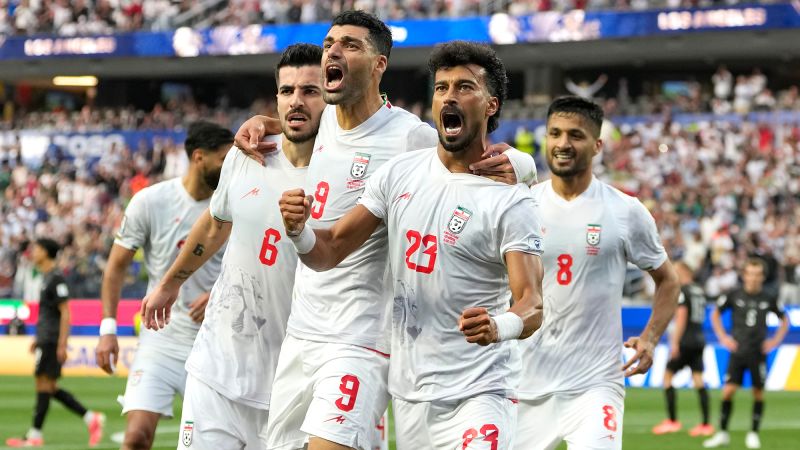
Despite these challenges, the Iranian team, known as Team Melli, has shown resilience. Their first match against New Zealand was followed by an urgent return to Mexico, leaving players fatigued. The US government’s latest concession is seen as a strategic move to balance security concerns with the team’s need for preparation, especially in the build-up to their game against Egypt.
Diplomatic Context and Strategic Compromises
The decision to ease entry rules reflects a broader diplomatic effort to navigate the strained relationship between the US and Iran. While hostilities remain, the adjustment demonstrates a willingness to prioritize sports diplomacy. The US government maintains that security measures are unchanged, but the change allows for more flexibility in scheduling.
Analysts note that this move could have a lasting impact on Iran’s performance. With more time to rest and strategize, the team is better positioned to compete in the high-stakes clash against Egypt. The match, set to take place in Seattle, carries symbolic weight as Iran’s presence in the US continues to be a point of contention in international relations.
Group G Progress and Tournament Outlook
Iran has made steady progress in Group G, currently sitting in second place with two points after their opening matches. A 2-2 draw with New Zealand and a 0-0 tie against Belgium have highlighted their ability to adapt to challenging conditions. These results suggest the team is capable of advancing further in the tournament, provided they secure a win against Egypt.
The upcoming game against Egypt is a critical test for Iran. A victory would not only advance them to the knockout stages but also serve as a morale boost. The relaxed entry policy is expected to aid their preparation, offering a more stable environment for training and strategy sessions. FIFA’s expanded format, which rewards teams for accumulated points, has also played a role in Iran’s position in the standings.
Controversies and Future Implications
Throughout the tournament, Iran’s participation has been met with mixed reactions. Some view their presence as a symbol of resilience, while others see it as a diplomatic risk. The recent policy change is a welcome development for the team, though it does not fully resolve the underlying tensions. The match against Egypt remains a focal point, with both nations watching closely for signs of progress or setbacks in their relationship.
As the World Cup progresses, the success of Iran’s team could influence the broader geopolitical narrative. A strong performance might encourage further diplomatic gestures, while a loss could reinforce the challenges they face. The US government’s decision to ease restrictions underscores the importance of sports in fostering international dialogue, even amid conflict.