Paris Restaurants Embrace American Flavors While Tipping Sparks Unease
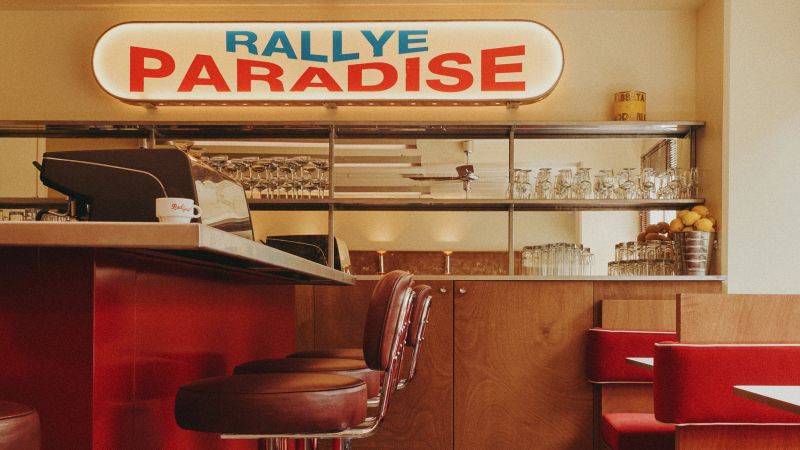
Sandego.net – A diner inspired by Italian-American comfort food has become one of Paris’s most talked-about restaurant openings of the past year, illustrating the growing appeal of US-style dining in France. At Red Sauce, the setting is deliberately theatrical: red velvet booths, bright neon, spinning ceiling fans, Formica tables, old-fashioned salt and pepper shakers, and bottles of Tabasco evoke a television-era Italian-American eatery.
The menu is equally exuberant. Diners order Detroit-style pepperoni pizza with jalapeños and hot honey, oversized meatballs, and eggplant parmigiana. Young servers, some with slight Italian accents, bring the dishes to French customers gathered around the room. The experience is designed as more than a meal; it is a highly recognizable version of American restaurant culture, filtered through Parisian dining habits and social-media appeal.
From pizza slices to regional American cooking
Red Sauce is part of a broader wave of American-inspired restaurants in and around the French capital. New York-style pizza by the slice, smash burgers, and doughnuts have become familiar options. Paris diners are also encountering regional specialties that were once far less visible in France, including Texas barbecue, Southern fried chicken and waffles, and seafood boils served with paper bibs and plastic gloves.
These concepts have gained traction through strong visual identities, targeted marketing, and the kind of food that travels easily across social platforms. Large portions, distinctive décor, and shareable presentation can turn a restaurant visit into an event. For many diners, the attraction is not simply authenticity but the novelty of experiencing a specific, recognizable American format.
The enthusiasm for these foods does not mean every imported element of North American dining culture has been welcomed in the same way. While burgers, pizza, and barbecue may be treated as exciting additions to the city’s restaurant landscape, changes to timing, service, and payment expectations have generated more skepticism.
A changing rhythm for meals
One visible shift is the earlier dinner hour. Dining earlier is common in North America, as well as in parts of Asia and Scandinavia, but it can feel at odds with the later schedule traditionally associated with French evening meals. The question has become whether earlier reservations represent a short-lived fashion or a more lasting adjustment in everyday routines.
Lunch is changing too. The long restaurant meal, often imagined as a leisurely succession of courses, increasingly competes with quicker takeaway options and shorter breaks. The idealized Paris lunch seen in “Emily in Paris” remains part of the city’s international image, yet many people now have less time to devote to it during the working day.
Such changes are not necessarily uniform across France or even across Paris. Restaurant culture has always varied by neighborhood, budget, profession, and lifestyle. Still, the arrival of faster formats and altered service expectations has become part of a larger debate about whether French dining is absorbing American habits at a deeper level.
The Tipping Debate
The most contentious issue is digital tipping. In France, leaving a gratuity has traditionally been optional rather than expected. Restaurant staff receive at least the minimum wage, and bills include a 15% service component, known as service compris, that contributes to employee pay.
Customers may still leave a little extra, particularly after a memorable meal or attentive service. A diner might round up the amount due, leave coins after coffee, or place a few euros on a café or bistro table. But this gesture has historically been modest and discretionary, not a standard percentage added at the end of every transaction.
Elisabeth Debourse, editor-in-chief of the restaurant guide Le Fooding for France and Belgium, notes that the French word pourboire carries its own cultural meaning. It is formed from words that literally suggest giving someone money for a drink.
“In France, tip is traditionally the change you have in your pocket and that you leave on the table for staff to buy themselves a drink later,” she says.
Card terminals and QR-code payment systems have altered that familiar ritual. Customers now frequently see requests for gratuities ranging from 5% to 20%, not only after restaurant meals but also when buying takeaway fast food or coffee. Tip jars remain common near registers, yet the digital prompt can make the decision feel more immediate and more public.
For critics, that pressure is the central problem. Some customers worry that a practice built around voluntary small change is becoming a default expectation, closer to the system many associate with the United States. Online discussions have included complaints that digital tipping rewards restaurants and payment platforms more than workers, especially where commissions are involved. Others dislike being asked to choose while an employee stands nearby holding the card machine.
French journalist Frédéric Martel has described digital tipping as abusive and misleading, arguing that service is already included in the bill. He has called for a 5% ceiling on tips in France.
“In the age of digital payments, it is high time to regulate abusive restaurant practices to reassure customers and remain faithful to the French spirit of service being included,” Martel writes.
Philosopher Jean-Loup Bonnamy raised a similar objection during a 2024 discussion on the French talk show “Les Grandes Gueules” (“Big Mouths”), which devoted an episode to the subject.
“It’s a form of Americanization of French society,” Bonnamy said. “It’s the culture of ‘tipping’ and it’s a servile and misunderstood form of Americanization.”
Service, wages, and customer expectations
For regular restaurant customer Rose Camara of Lyon, refusing digital prompts is a matter of principle. She fears a gradual move toward the American model, in which customers may feel responsible for making up a substantial part of a worker’s income.
“When I get the tipping system on the digital app, I systematically refuse it because I’m afraid that it will lead back to the same system as in the US,” Camara says.
The argument is therefore about more than a few euros at the end of a meal. It touches on who should carry responsibility for fair pay, how much social pressure should accompany a payment, and whether France’s inclusive-service tradition can survive increasingly standardized digital checkout systems.
American food may continue to find eager audiences in Paris, from slices of pizza to barbecue platters. But the expansion of tipping prompts shows that cultural imports are received differently when they affect the relationship between diners, restaurant workers, and the final bill. In France, that distinction remains especially important: enjoying an American-style meal is one thing; adopting its payment customs is another.
Related Reading
Frequently Asked Questions
What is Inside the Americanization of French dining?
Inside the Americanization of French dining is the main topic of this guide. The article explains the context, practical details, and next steps readers should understand.
Why does Inside the Americanization of French dining matter?
Inside the Americanization of French dining matters because readers are looking for a useful answer, not just a short summary. Good content should match search intent and help them decide what to do next.