The 14-Point Outline for US-Iran Peace: Key Provisions and Implications
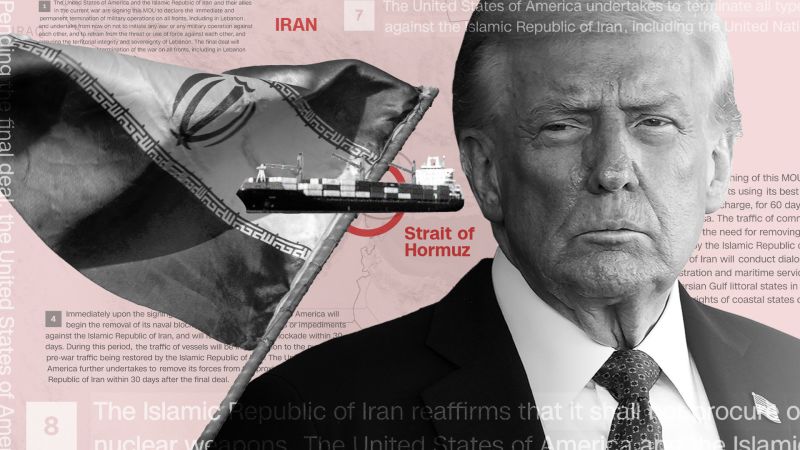
Sandego.net – The U.S. and Iran have released a 14-point memorandum of understanding aimed at building upon a recent ceasefire agreement. This framework seeks to restore normalcy to maritime traffic through the Strait of Hormuz, a critical chokepoint for global oil exports. However, with its concise language and fewer than 800 words, the document leaves significant room for negotiation and clarification, particularly regarding Iran’s nuclear program—a long-standing point of contention between the two nations.
Restoring Hormuz Traffic: A Strategic Priority
The agreement emphasizes the resumption of commercial shipping in the Strait of Hormuz, which has been a flashpoint for tensions between the U.S. and Iran. By addressing this issue, the plan aims to stabilize regional trade and reduce the risk of maritime disruptions. The focus on Hormuz highlights the strategic importance of ensuring unimpeded access to global energy markets, which are heavily reliant on oil transported through this narrow waterway. However, the document stops short of detailing specific mechanisms to enforce this provision, leaving future discussions to define the practical steps required to achieve it.
The Nuclear Program: A Delicate Balance
While the agreement’s primary goal is to ease immediate hostilities, it also touches on Iran’s nuclear program, a subject that has fueled international concern for years. The outline suggests a commitment to dialogue but does not specify whether Iran will agree to limit its enrichment activities or accept additional inspections. This omission underscores the complexity of the issue, as both sides remain wary of compromising on their core interests. The U.S. has historically sought to curb Iran’s nuclear ambitions, but the current proposal appears to prioritize short-term stability over long-term concessions.
Financial Benefits for Iran: A Central Incentive
A key component of the plan is the economic relief offered to Iran, which includes lifting sanctions to allow unrestricted oil exports. This move could significantly boost Iran’s economy, providing a financial lifeline amid prolonged economic pressures. Additionally, the agreement proposes granting Iran access to billions in frozen assets held abroad and up to $300 billion in financing. These provisions are intended to incentivize cooperation, but their implementation will depend on Iran’s willingness to align with U.S. interests in exchange for economic gains.
Trump’s Preference for Multi-Point Agreements
The Trump administration has consistently favored detailed, multi-point agreements as a way to codify complex diplomatic initiatives. This approach is evident in previous efforts, such as the 20-point plan to end hostilities in the Gaza Strip and the 28-point proposal to resolve Russia’s conflict in Ukraine. These documents served as comprehensive blueprints, setting the stage for future negotiations while outlining a shared vision for peace. The current 14-point outline follows a similar pattern, offering a structured foundation for talks but deferring critical decisions to later stages.
Breaking Down the Draft Agreement
The document was presented to the public by a senior Trump administration official during a call with reporters, allowing for a line-by-line analysis of its provisions. Each of the 14 points addresses a specific aspect of the U.S.-Iran relationship, from security guarantees to economic incentives. However, the lack of elaboration on certain terms, such as the duration of the ceasefire or the conditions for lifting sanctions, raises questions about its enforceability. Analysts suggest that while the outline provides a clear direction, its success will hinge on the clarity of follow-up agreements and the mutual commitment of both parties to uphold their promises.
One of the most anticipated aspects of the plan is its potential to ease economic constraints on Iran. By removing sanctions, Iran could regain access to international markets, which has been a major factor in its financial struggles. This provision, however, is not without its challenges. The U.S. must balance Iran’s economic needs with its concerns over nuclear proliferation and regional influence. The outline’s emphasis on financial support reflects a broader strategy to align Iran’s interests with those of the global community, particularly in areas of mutual benefit.
Regional Implications and Future Prospects
The agreement’s impact extends beyond the U.S. and Iran, influencing the broader Middle East landscape. By facilitating trade through Hormuz, the plan could help stabilize oil prices and reduce the risk of supply chain disruptions. However, it also raises questions about Iran’s long-term goals in the region. Will the economic incentives lead to a lasting peace, or will they merely serve as a temporary reprieve for Iran to consolidate its power? The success of the 14-point framework will depend on how effectively both sides address these concerns in subsequent negotiations.
Historically, the U.S. has used multi-point agreements to create a sense of momentum in peace talks. The Gaza and Ukraine proposals, though ultimately unrealized, demonstrated the administration’s commitment to structured diplomacy. Critics argue that the current outline, while ambitious, may lack the specificity needed to ensure lasting results. Nevertheless, the inclusion of 14 points provides a roadmap for dialogue, offering a platform to address both immediate and long-term issues.
The annotated version of the agreement, released to provide transparency, has sparked discussions among policymakers and experts. While it outlines a clear vision for cooperation, the absence of detailed timelines and binding commitments has led to debates about its practicality. Some analysts believe the document is a necessary first step, while others caution that without stronger enforcement mechanisms, it may fail to prevent future conflicts.
Ultimately, the 14-point memorandum represents a significant effort to bridge the gap between the U.S. and Iran. By addressing key issues like the Strait of Hormuz and financial relief, it aims to create a foundation for broader reconciliation. However, the success of this plan will require sustained engagement, careful negotiation, and a willingness to compromise on contentious issues. As the world watches, the next steps in these talks will determine whether this outline marks the beginning of a new era in U.S.-Iran relations or remains a symbolic gesture.
“This agreement is a step forward, but it’s important to recognize that many details remain to be worked out,” said the senior official during the call. “The goal is to establish a framework that allows for progress while addressing the core concerns of both nations.”
With the path ahead still uncertain, the 14-point outline serves as a starting point for a more comprehensive deal. Its ability to foster trust and cooperation will be tested by the challenges that lie ahead, including the nuclear program, regional security, and economic stability. As negotiations continue, the international community will closely monitor how this plan unfolds and whether it can pave the way for a lasting peace between the U.S. and Iran.