Exclusive: Iran sealed uranium cache and placed mines amid fears of US operation to seize material
Sandego.net – Iran has taken significant steps to secure its stockpile of nearly weapon-grade uranium, including collapsing underground tunnels and installing explosive mines at key access points, according to five individuals with access to US intelligence reports. These measures, implemented in recent weeks, have made it increasingly challenging for foreign forces to retrieve the material, which is estimated to weigh around half a ton. The sources indicated that Iran’s actions were likely a response to growing concerns that the US might launch a military operation to capture the uranium, a critical component in nuclear weapons development.
Complicating US Nuclear Strategy
The fortifications now complicate the Trump administration’s plans to secure the uranium, which had been a central focus of ongoing talks with Iran to end the war in the Gulf and reopen the Strait of Hormuz. Earlier this month, President Donald Trump hinted at the possibility of seizing the material, prompting Iran to accelerate its defensive preparations. These changes add another layer of difficulty to the proposed agreement, which would require Iran to hand over its enriched uranium for destruction and eventual export. The sources emphasized that the task of extracting the material has become far more perilous, involving both physical obstacles and the risk of detonating hidden explosives.
“If this reporting is true, it would definitely complicate … retriev[ing] the HEU,” said Scott Roecker, who led the National Nuclear Security Administration’s Office of Nuclear Material Removal from 2017 to 2021. “We wouldn’t have full confidence that Iran couldn’t retain access to it at some point in the future.”
Roecker also noted that the new measures could provide Iran with an opportunity to obscure its compliance efforts. He explained that if negotiators demanded the entire stockpile be centralized for verification, Tehran would face the challenge of proving full transparency. This scenario, he warned, might lead Iran to argue that some portion of the uranium was lost in the collapsed tunnels, potentially undermining the deal’s credibility.
Iran’s Diplomatic Silence
Despite the heightened security, Iran’s delegation to the United Nations has not yet responded to CNN’s request for comment. Similarly, the White House has not immediately addressed the issue. The lack of public statements suggests Iran may be carefully managing its narrative as negotiations progress. Meanwhile, Trump has consistently framed securing the uranium as a top priority, aligning it with broader strategic goals to stabilize the region and prevent further Iranian influence.
Earlier this month, the US military had mobilized to prepare for a potential operation to seize the uranium, but the plan was paused due to perceived risks, CNN reported. Since then, Iran has further reinforced its positions, making the task of extraction more complex. This development raises questions about the logistics of the proposed deal and who will bear the responsibility of retrieving the material. The sources suggested that even the Iranians themselves now view the operation as daunting, requiring specialized equipment and extensive de-mining efforts.
Unresolved Terms and Technical Challenges
The terms of the agreement remain unclear, with conflicting accounts from US and Iranian officials. A leaked draft of the deal, shared with a semi-official Iranian news agency, sparked an immediate reaction from Trump, who criticized the plan on social media. The document, however, has not been officially confirmed, leaving the details of the deal in flux. As negotiations continue, the international community anticipates further technical discussions to determine the future of Iran’s nuclear program.
One of the key challenges in executing the deal is the logistics of transporting the uranium out of the country. According to a senior administration official who briefed reporters on Friday, the process would involve deploying a specialized mobile uranium facility under the National Nuclear Security Administration. This facility, based at Oak Ridge National Laboratory in Tennessee, is designed for efficient extraction and processing of nuclear material. CNN had previously reported that top US negotiators, including Jared Kushner and Steve Witkoff, visited the laboratory to discuss its potential role in the agreement.
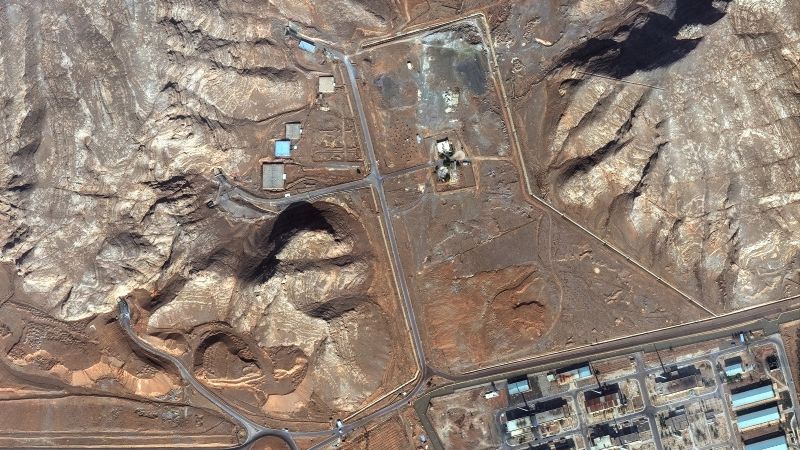
While the US aims to secure the material quickly, Iran’s actions have introduced delays. The country’s efforts to seal tunnels and place mines suggest a deliberate strategy to make the operation more difficult. For instance, the Isfahan nuclear complex, a central location for the stockpile, has seen increased fortification. The international community estimates that most of the enriched uranium is now buried in collapsed tunnels at this site, with smaller quantities stored at other locations. This distribution complicates the extraction process, as it requires coordination across multiple sites.
Trump’s Influence on Iran’s Defenses
Trump’s public statements about the uranium may have inadvertently motivated Iran to strengthen its defenses. Two of the sources claimed that by discussing the material as a potential target, the president encouraged Tehran to take preemptive measures. This dynamic highlights the ongoing psychological battle in the negotiations, where both sides are using strategic communication to gain an advantage. The sources also noted that Trump’s assurance that “nobody’s even gotten close to it” could have been a calculated move to signal US readiness and confidence.
As the situation evolves, the proposed deal faces both logistical and political hurdles. Even experts in nuclear removal, such as Roecker, admit that the task requires meticulous planning and significant resources. The success of the operation will depend on Iran’s ability to cooperate, as well as the US’s capacity to navigate the challenges posed by the fortified sites. With the agreement potentially signed within the coming week, the focus will shift to finalizing the technical details of the uranium’s removal and ensuring its destruction as per the deal’s terms.
Despite these complexities, the US remains committed to its goal of securing the uranium. The administration has emphasized the importance of the material in the broader context of regional security and nuclear proliferation. However, the latest developments underscore the high stakes of the negotiations, with Iran’s defensive measures adding a layer of uncertainty to the process. As both sides continue to refine their positions, the outcome of these talks will have far-reaching implications for the future of Iran’s nuclear program and the stability of the region.