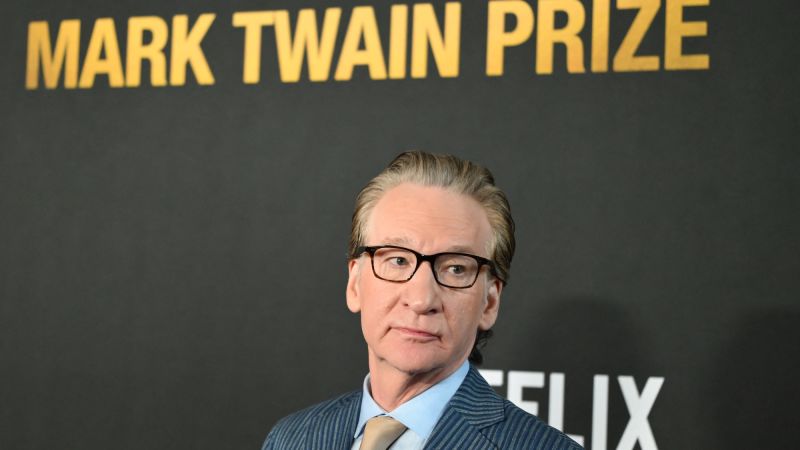
Bill Maher Honored with Mark Twain Prize Amid Washington’s Uncertainty
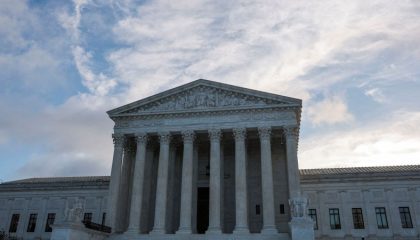
Sandego.net – On Sunday, comedian and vocal critic of former President Donald Trump, Bill Maher, was awarded the prestigious Mark Twain Prize for American Humor at the Kennedy Center for the Performing Arts. The event took place in a city institution that has become a focal point of a legal dispute involving Trump’s attempts to reshape its identity and operations. As the Kennedy Center grappled with its financial viability, the prize ceremony offered a moment of celebration amid ongoing challenges, including reduced revenue, staffing cuts, and political tensions that have complicated its role in the cultural landscape of Washington, D.C.
The Kennedy Center’s Financial Struggles
The Kennedy Center, a cornerstone of the nation’s performing arts scene, has faced mounting pressure in recent months. After a judge mandated the institution to continue running despite plans for a years-long renovation, its leadership has had to make tough decisions to sustain operations. The center’s ticket sales have dropped significantly, and several artists have withdrawn from its programming, further straining its budget. Meanwhile, the administration of former President Trump has remained a key player in the institution’s story, with its influence still felt in the decisions that shape its direction.
During his remarks on the red carpet prior to the ceremony, Maher humorously acknowledged the center’s uncertain future, stating, “This is the last show here for at least two years.” He praised the Kennedy Center’s architecture, noting, “It is a beautiful building. They keep talking about how they need to renovate. It looks perfectly fine to me. I don’t see one thing that needs a single thing changed.” His comments highlighted the irony of the award being given in a space that has been a symbol of Trump’s ambitions, even as the legal battle over his imprint on the institution continued.
Trump’s Legacy at the Kennedy Center
The Kennedy Center has been at the heart of Trump’s efforts to redefine Washington, D.C., as well as his broader influence on the cultural sector. Two weeks before the ceremony, the center had complied with a court order by removing Trump’s name from its premises. The president had previously handpicked a board of trustees to install his name on the building, a move that became a point of contention. While the administration claimed the name was officially removed, a tarp still covered the spot where it once hung, preserving a visual reminder of the controversy.
Woody Harrelson, the actor and comedian, joked onstage during the event, adding a lighthearted twist to the political drama: “Finally, an award from my dear friend, ironically at the Trump Kennedy Center. No—oh right, we fixed that.” His quip underscored the tension between the institution’s historical role and Trump’s recent interventions, which have left a lasting impression on its reputation and operations.
Bill Maher’s Tense Relationship with Trump
Maher, a long-time target of Trump’s criticism, has maintained a public relationship marked by both praise and sharp rebuke. In 2025, he had a dinner at the White House with the president, where he expressed support for Trump’s policies. However, the encounter did little to ease their differences, as Trump later dismissed the meeting as a “total waste of time” and accused Maher of suffering from “Trump Derangement Syndrome.”
During his acceptance speech, Maher referenced the ongoing conflict, saying, “I’d rather be fighting and yelling—that’s his way of talking. I’d rather the channels be open; anything is better than the channels being shut off.” His words reflected the broader struggle between political polarization and the power of comedy to bridge divides. The White House had initially denied that Maher would receive the honor, a decision that later shifted after the president’s attempts to cancel the event drew widespread attention.
A Night of Satire and Solidarity
The 27th annual Mark Twain Prize ceremony, which will debut on Netflix on July 21, featured a lineup of notable guests, including Louis C.K., Whitney Cummings, Jay Leno, and John Mellencamp. Many of the attendees used the occasion to roast Trump, with jokes targeting his policies, rhetoric, and public persona. “President Trump not happy about Bill getting this award. You think he’s mad now? Really, finds out next year the recipient is Bad Bunny,” Leno quipped, referencing the Puerto Rican rapper, whom Trump had previously criticized.
Comedians and performers at the event emphasized the importance of satire in a politically fractured environment. “Just because we are on opposite sides of the aisle, doesn’t mean we don’t relate to the opposite side from time to time,” said Stephen A. Smith, a radio host, during a red carpet interview with CNN. Maher echoed this sentiment, adding, “When either side gets mad at me because I put them in jokes—jokes that work—my lesson to that is simple: You want to not get mocked, stop being funny.” His remarks underscored the role of comedy as a unifying force, even in the face of partisan conflict.
The Mark Twain Legacy and Future of the Award
Founded in 1998, the Mark Twain Prize is awarded annually to recognize individuals who have made significant contributions to American humor. Past recipients, such as Richard Pryor, Carol Burnett, Dave Chappelle, Jon Stewart, and Conan O’Brien, have all left a lasting impact on the comedy world. Maher, whose HBO show “Real Time with Bill Maher” is also broadcast on CNN on Saturdays, joins this esteemed list, further highlighting the cross-platform influence of the award.
As the Kennedy Center continues to navigate its challenges, the ceremony served as a reminder of its enduring cultural significance. Despite the legal and political hurdles, the institution remains a hub for artistic expression, and the awarding of the Mark Twain Prize reaffirmed its commitment to honoring humor as a vital part of American identity. For Maher, the event was a personal triumph, balancing his role as a critic with his position as a respected figure in the comedy community.
The ceremony also brought attention to the broader implications of Trump’s actions on the arts. While he sought to associate his name with the Kennedy Center, his influence has since been tempered by the institution’s decision to distance itself. This shift reflects the evolving dynamics between politics and culture, as public figures continue to shape the narrative of national institutions. Maher’s acceptance of the award, however, remained a symbol of resilience and the power of humor to transcend political divides.
As the event concluded, the audience left with a mix of laughter and reflection. The Kennedy Center, though still uncertain about its future, stood as a testament to the enduring nature of artistic endeavors. For Bill Maher, the Mark Twain Prize was more than an honor—it was a validation of his ability to navigate the complexities of comedy and politics, even as the institution he was celebrated at faced its own transformative challenges.