Sam Bankman-Fried Seeks Presidential Pardon from Trump
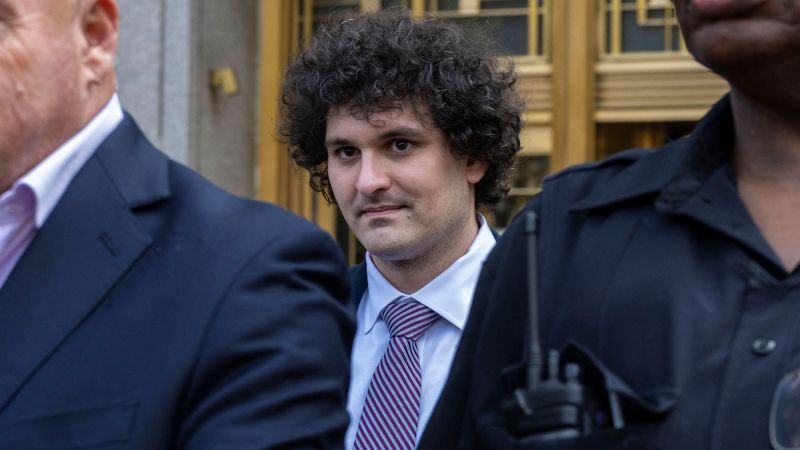
Sandego.net – Former cryptocurrency billionaire Sam Bankman-Fried, whose downfall marked a pivotal moment in the blockchain industry, has formally requested a presidential pardon from Donald Trump. The application, confirmed by the U.S. Department of Justice (DOJ), was revealed through a report by Bloomberg. Bankman-Fried, who is 34 years old, co-founded the now-defunct FTX exchange, which became synonymous with a massive financial scandal. His sentence, handed down in 2024, includes a 25-year prison term, making him one of the most prominent figures to face such a fate in recent years.
A Legacy of Innovation and Collapse
At the height of his influence, Bankman-Fried’s company, FTX, was valued at $32 billion, positioning him as a key player in the cryptocurrency world. Known for his early success and rapid rise, he was once hailed as a crypto prodigy. However, the fortunes shifted dramatically in 2022 when the exchange filed for bankruptcy, triggering a wave of panic across the industry. The collapse was fueled by billions in withdrawals, exposing vulnerabilities in the company’s financial structure and leading to widespread distrust.
Investigations revealed that Bankman-Fried had allegedly misused FTX’s customer funds, channeling them into his own crypto hedge fund, Alameda Research. Prosecutors accused him of orchestrating a complex web of fraud and conspiracy, including wire fraud, securities fraud, and money laundering. The legal proceedings highlighted how his actions not only jeopardized the company but also impacted investors globally. As part of his conviction, Judge Lewis Kaplan mandated the forfeiture of over $11 billion in assets linked to the fraud, emphasizing the gravity of his offenses.
Conviction and Sentencing
Bankman-Fried’s trial resulted in multiple charges, with the judge stressing the long-term risks he posed. “There is a risk that this man will be in a position to do something very bad in the future, and it’s not a trivial risk,” Kaplan stated during the sentencing announcement. The decision to sentence him to 25 years underscored the severity of the case, which included allegations of deliberate financial manipulation and misleading investors. His conviction marked a turning point, transforming him from a celebrated entrepreneur into a high-profile defendant.
The DOJ’s website outlines the nature of the pardon request, which seeks to grant Bankman-Fried “a pardon after completion of sentence.” This type of pardon would not erase his criminal conviction but would restore civil rights such as voting and jury service once his prison term is served. It would also ease restrictions on licensing, employment, housing, and education, according to the department’s explanation. The request, however, has not yet received a formal response from the White House, despite being submitted in early 2026.
Political Shifts and Public Statements
Bankman-Fried’s political alignment has evolved since his conviction. Initially, he was a major contributor to Democratic campaigns and causes, leveraging his wealth to support progressive initiatives. Yet, as he navigated his federal prison term, his public statements began reflecting a shift toward endorsing the Trump administration. This change in stance was notably highlighted in an interview with Fox Business, where he stated, “I absolutely want a presidential pardon.”
His support for Trump has been evident on social media platforms, where he has consistently praised the former president’s leadership. While in prison, Bankman-Fried’s posts have focused on themes of economic recovery and regulatory reform, aligning with Trump’s policies. This political realignment raises questions about the motivations behind his pardon request, particularly given his previous advocacy for Democratic values.
Trump’s Stance on the Request
The White House has not officially commented on Bankman-Fried’s pardon application, though a spokesperson hinted at a January statement by Trump to the New York Times. In that interview, Trump expressed reluctance to grant the pardon, stating that he would not do so. The comment suggests a potential divide between Bankman-Fried’s current public image and his past contributions to Democratic causes.
Despite Trump’s public stance, the pardon request remains active, with the DOJ noting that the application was submitted in 2026. The timing of the request coincides with a period of political tension, as the former president continues to influence public discourse. The situation has sparked debates about the role of presidential pardons in shaping legal outcomes and their implications for future cases.
Implications of the Pardon
While a pardon would not undo the conviction, it could significantly alter Bankman-Fried’s post-prison life. The restoration of civil liberties, such as the ability to vote and serve on juries, would allow him to reengage with the public sphere. Additionally, removing barriers to employment and education could open doors to new opportunities, potentially impacting his ability to rebuild his career.
Analysts suggest that a pardon could also serve as a strategic move, offering Bankman-Fried a chance to rebrand himself and regain public favor. The political dynamics at play, including his shift in allegiance, may influence the decision-makers at the White House. As the process unfolds, the outcome could set a precedent for how pardons are used in high-profile financial cases, with far-reaching consequences for the legal and political landscape.
“I absolutely want a presidential pardon,” Bankman-Fried said in his interview with Fox Business.
The request underscores the interplay between personal redemption and political influence, highlighting how public sentiment and financial stakes can shape the trajectory of a once-wealthy entrepreneur. As the DOJ waits for a response, the case continues to captivate attention, blending elements of business, law, and politics in a compelling narrative of fall from grace and hope for restoration.