
A potential helipad and new parking spots are the latest changes at the White House
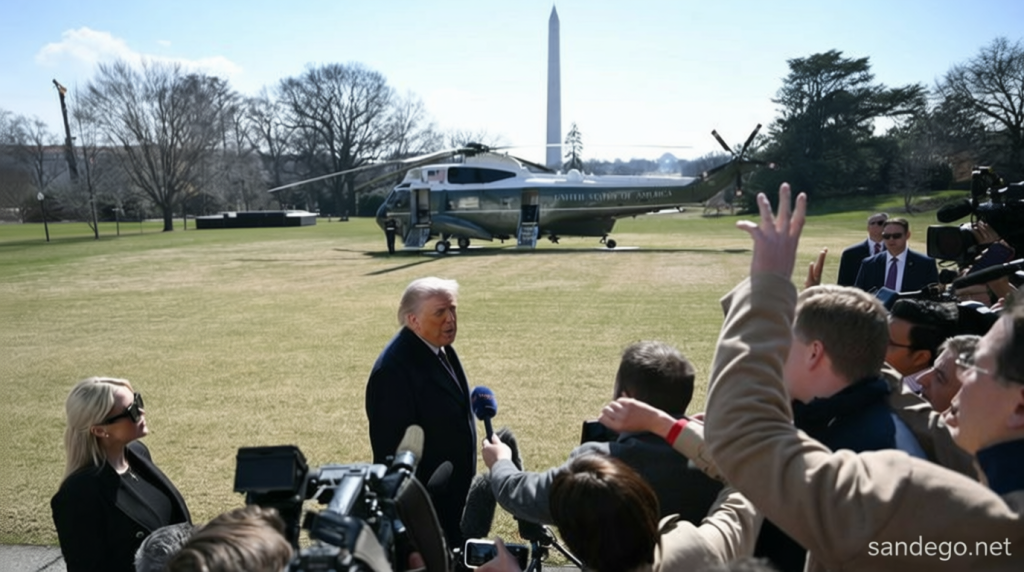
White House Gets Helipad and New Parking Spots
A potential helipad and new parking – The White House is introducing a potential helipad and new parking spots as part of its latest updates to modernize its infrastructure. These changes are designed to tackle long-standing logistical issues, including the challenges posed by the presidential helicopter’s exhaust system and the limited parking availability for staff. The focus keyword—potential helipad and new parking—marks a significant step in adapting the historic estate to contemporary needs while preserving its iconic status.
Helipad to Solve Exhaust-Related Damage
The need for a permanent helipad stems from the growing concern over damage caused by the VH-92A Patriot helicopter’s high-velocity exhaust. Previously, the South Lawn served as a temporary landing area, with planks installed on short notice for each visit. However, the newer model’s advanced capabilities have led to increased use, yet the persistent heat damage to the grass has become a major issue. This problem has prompted the White House to seek a long-term solution, ensuring the presidential aircraft can land without disrupting the landscape.
“These modifications are essential for meeting the demands of modern presidential operations,” stated a White House spokesperson in a recent press release. The helipad project, part of the broader renovations, aims to streamline procedures and reduce the environmental impact of the helicopter’s frequent landings. By replacing the temporary setup, the administration hopes to create a more sustainable and functional space for the president and their entourage.
Staff Parking Shifts for Efficiency
In parallel, staff parking arrangements near the North Portico have been adjusted to accommodate the ongoing construction in Lafayette Park. A temporary lot has been set up on Pennsylvania Avenue, offering additional spaces for administration personnel. This change has sparked discussions among visitors, who often gather in the area to catch a glimpse of the White House. The temporary measure is intended to support the current renovation phase, with plans to finalize the layout once the project concludes.
White House staff parking is organized according to rank, with senior officials granted priority access near the West Wing. The new temporary spots, however, will test this hierarchy as they are positioned close to the main entrance. This shift highlights the administration’s effort to balance accessibility for staff with the need to manage visitor traffic. The changes also reflect a growing emphasis on optimizing space for both functionality and public engagement.
Renovations to Enhance Presidential Operations
The White House’s renovations extend beyond the helipad and parking updates, aiming to improve overall efficiency. Projects in Lafayette Park include restoring fountains and repairing grass, ensuring the surrounding area remains aesthetically pleasing. These efforts align with the administration’s goal of creating a more resilient and adaptable presidential complex. The focus keyword—potential helipad and new parking—plays a central role in addressing immediate concerns while laying the groundwork for future improvements.
Upcoming events, such as the planned UFC fight on the South Lawn and a “fan fest” on the Ellipse, will serve as practical tests for the new configurations. While these gatherings are temporary, they provide an opportunity to evaluate how the changes affect daily operations. The administration has emphasized that the updated infrastructure will support both official duties and public interactions, reinforcing the White House’s role as a dynamic national symbol.
President Donald Trump has been a driving force behind these modifications, which include upgrades to the presidential helicopter fleet and parking systems. His vision for a more modern White House has also involved expanding access for visitors and staff. Despite the challenges, the focus keyword—potential helipad and new parking—demonstrates the administration’s commitment to long-term infrastructure improvements that benefit future leaders and the public.
