
Kentucky voters make their choice today: Thomas Massie, or a former Navy SEAL picked by Trump to beat him
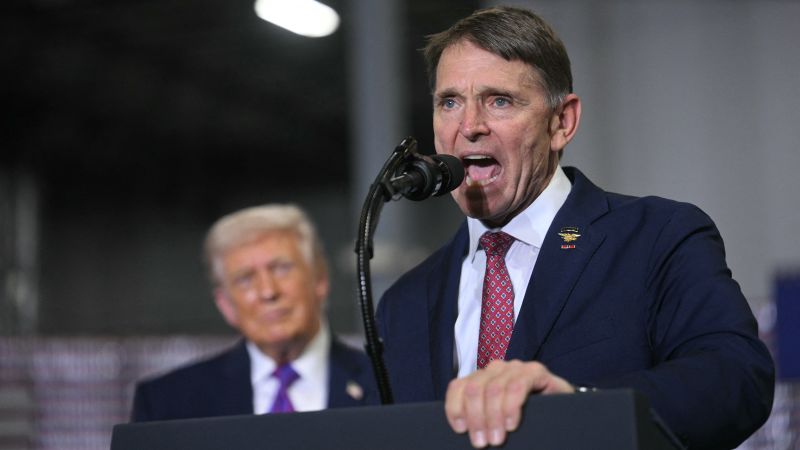
Kentucky’s 4th District Primary: A High-Stakes Showdown Between Thomas Massie and Ed Gallrein
Kentucky voters make their choice today – As the sun sets over the Bluegrass State, the 2026 Kentucky primary election looms as a pivotal moment for the Republican Party. At the heart of the contest is a battle between two figures: Rep. Thomas Massie, a long-standing representative of the 4th District, and Ed Gallrein, a retired Navy SEAL and farmer whose campaign has been meticulously crafted by the Trump administration. While the race against Massie has dominated headlines, Gallrein’s candidacy remains a critical part of the equation, offering a unique blend of military service and rural roots. The outcome of this contest, set for Tuesday, could signal a turning point in the GOP’s strategy to counteract dissent within its ranks.
A Trump-Backed Challenger in a Divided District
Ed Gallrein, 68, has emerged as a Trump-endorsed candidate with a distinct appeal to Kentucky’s conservative base. A fifth-generation farmer from Shelby County, east of Louisville, Gallrein’s campaign has been shaped by his proximity to the president and his commitment to his policies. Despite his lack of formal debate experience and a history of political losses, including a 2024 primary bid for a Kentucky state senate seat, Gallrein has been positioned as a formidable contender. His selection by the White House reflects a calculated effort to leverage Trump’s influence in a district where the congressman has long been a thorn in the president’s side.
“There has never been a more important time to stand behind our president,” Gallrein declared on Monday, underscoring his alignment with Trump’s agenda. His words, though measured, carried the weight of presidential endorsement, a tool that has proven instrumental in swaying electorates across the country.
Meanwhile, Massie, a rare voice of dissent in a Republican Party increasingly unified under Trump, has faced relentless criticism. The congressman’s opposition to key policies—such as his release of the Epstein files, his vote against the One Big Beautiful Bill Act, and his skepticism about the Iran war—has made him a target of the administration. Trump, who has made it a priority to eliminate perceived adversaries, has repeatedly called for Massie’s removal from office, framing him as a threat to the party’s cohesion.
The Battle for Political Survival
Massie, who has weathered a decade of Trump’s political attacks, remains undeterred. At an election eve rally, he addressed supporters with characteristic defiance, asserting that the campaign’s harsh rhetoric would ultimately backfire. “They’re trying to turn me into a villain,” he said, “but the more they punish me, the more powerful I become.” His strategy hinges on appealing to voters who value independence and principled leadership, even as his opponent benefits from the president’s megaphone and financial backing.
The primary’s stakes extend beyond Kentucky’s borders, offering a glimpse into the broader dynamics of the Republican Party. With Trump’s allies actively mobilizing to ensure Gallrein’s victory, the race has become a microcosm of the struggle between loyalty and dissent. Jonathan Ruggles, vice chairman of the Lewis County Republican Party, captured this tension: “It’s Trump versus Massie. The ones who won’t vote for Massie are effectively voting for Trump indirectly. They’re not voting for Gallrein outright.”
“He’s a true American hero,” Trump remarked during a visit to Kentucky earlier this spring, standing beside Gallrein. “He’s a great patriot, and he’s doing it because he saw what this guy was doing to our country.”
Despite his presidential credentials, Gallrein has been reluctant to engage in direct debates with Massie. In a notable decision, he declined to participate in several forums, including a statewide broadcast on Kentucky Educational Television. This avoidance has sparked speculation about his confidence in Trump’s influence, but Gallrein has defended his approach, arguing that his daily interactions with voters are just as impactful as formal debates. “I’m talking right to the American people,” he said, “just like the president does, with no middleman.”
A Strategy of Contrasts and Compliments
Gallrein’s campaign has been built on contrasting himself with Massie, emphasizing military service and community ties. While Massie is seen as a Washington insider, Gallrein positions himself as a grassroots candidate with a deep connection to Shelby County’s agricultural traditions. This narrative has resonated with some voters, particularly those who view Massie’s congressional career as detached from their daily struggles. However, others remain skeptical, questioning whether Gallrein’s loyalty to Trump’s agenda might overshadow his individual convictions.
Massie, in turn, has sought to highlight his independence by framing the race as a referendum on Trump’s leadership. He argues that his long-standing relationships with constituents—forged over years of service in northern Kentucky—make him a more trustworthy choice. “I’ve been working for these people for 10 years,” he said, “and they know I’m not just another puppet in the White House.” His campaign has focused on attacking Trump’s policies, particularly the tax cuts and deregulation that have drawn criticism from moderate Republicans.
“If we do not take advantage of this narrow window of advantage we have,” Gallrein warned, “history will punish us.” His remarks reflect the urgency with which Trump’s allies are approaching the race, viewing it as a chance to solidify control over a district that has historically been a stronghold for the GOP.
The Trump administration’s influence on the race is evident in the political machinery deployed to support Gallrein. At a recent event sponsored by America First Works, a conservative political action committee, Gallrein joined Defense Secretary Pete Hegseth, who used the platform to launch a blistering critique of Massie’s record. Though Gallrein did not directly name his opponent, the implication was clear: the race is a battle for the soul of the Republican Party in Kentucky.
The Cost of Defiance and the Price of Loyalty
As the election approaches, the toll of Trump’s political vendetta becomes increasingly apparent. Sen. Bill Cassidy of Louisiana, who recently joined the ranks of Republicans ousted by the president’s wrath, serves as a cautionary tale. The list of dissenters—those who have stood up to Trump—continues to grow, raising questions about the sustainability of his influence. For Massie, the stakes are personal; a defeat could mark the end of his political career in a party that has grown increasingly hostile to independent thinkers.
Yet, the question remains: can a deluge of attack ads and a presidential megaphone outweigh the loyalty Massie has cultivated among his base? While Trump’s campaign has successfully framed the race as a referendum on his leadership, Massie’s supporters argue that the president’s influence is overstated. “The people here know who they’re voting for,” one Massie supporter said, “and they don’t need a presidential endorsement to make that choice.”
The primary’s outcome will have far-reaching implications. If Gallrein secures victory, it could signal a broader shift toward Trump-aligned candidates in key districts, further entrenching the president’s grip on the Republican Party. Conversely, a Massie win might embolden moderates and independents, offering a glimmer of hope for those seeking to challenge Trump’s dominance. As the ballots are counted on Tuesday night, the 4th District’s voters will determine whether loyalty to the president or independence in the face of adversity will prevail.
With millions invested in the race and the reputations of both candidates on the line, the Kentucky primary has become a high-stakes test of the GOP’s internal divisions. Whether the outcome reflects the power of presidential influence or the resilience of a seasoned congressman, the decision will echo far beyond the state’s borders, shaping the future of American politics in the coming years.
