Trump Asserts Iran’s Concessions; Tehran Disputes the Claims
Sandego.net – Since unveiling a memorandum of understanding last week that seemed heavily favorable to Iran, the Trump administration has consistently asserted that Tehran has agreed to significant concessions during ongoing talks. However, the lack of clear documentation for these claims has raised skepticism, with Iran steadfastly denying any major advances. This dynamic has highlighted a growing tension between the two sides, as the administration’s track record of reliability casts doubt on the validity of its statements.
Claims of Nuclear Agreements Remain Unsubstantiated
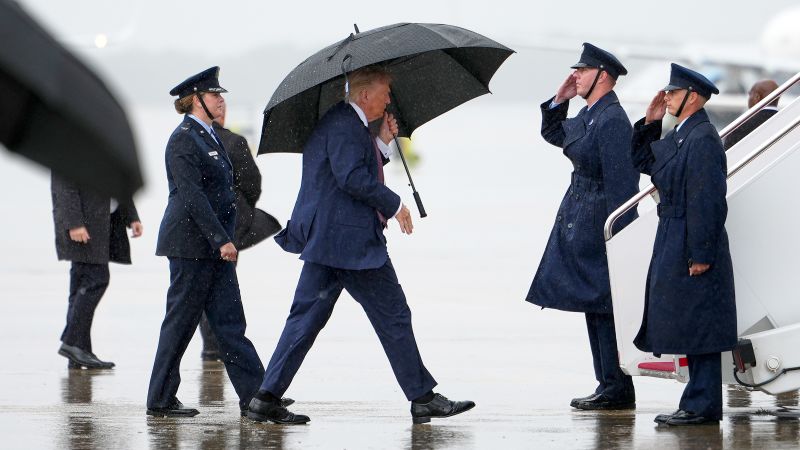
One of the most prominent assertions from the White House came Tuesday when President Donald Trump declared on Truth Social that Iran had committed to “highest level nuclear inspections long into the future (Infinity!!!).” He emphasized that this arrangement would ensure “Nuclear Honesty” and implied that without this agreement, further negotiations would be futile. But the Iranian foreign ministry has countered, stating that no such commitments were made and that current procedures with the International Atomic Energy Agency (IAEA) would remain unchanged.
“…Iran has fully and completely agreed to highest level Nuclear inspections long into the future (Infinity!!!),” he wrote on Truth Social. “This will insure (sic) ‘Nuclear Honesty.’ If they did not agree to this, there would be no further negotiations!”
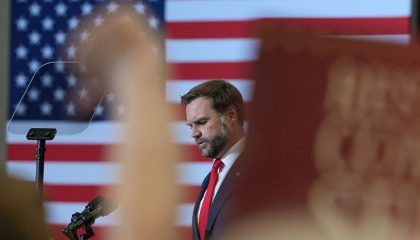
While Vice President JD Vance described a “major milestone” in a press conference Monday, suggesting that Iran had consented to allow IAEA inspectors into its nuclear facilities, the Iranian side has rejected this narrative. Iranian Foreign Ministry Spokesman Esmail Baghaei clarified that the nation has not agreed to inspect its heavily damaged sites and reiterated that “no new commitments” were made. He pointed out that the IAEA already has limited access, meaning allowing inspectors in does not equate to a substantial breakthrough.
Financial Concessions and Control Debates
Adding to the complexity, the administration has also claimed that billions in Iranian assets frozen under previous sanctions would be freed as part of a peace deal. These funds, they argue, would be used exclusively for American goods, aiming to counter criticism that Iran could redirect the money toward rebuilding its military or supporting terrorism. Yet, even within Trump’s own political base, some have questioned the depth of these financial concessions.
During a Monday press briefing, Vance stated that Jared Kushner, the lead negotiator, had outlined a plan where the U.S. and Qatar would jointly approve the use of the unfrozen assets. He framed this as a win for American farmers, asserting that the money would “buy American soy, American corn and American wheat for the benefit of the Iranian people.” However, this claim has been met with resistance from Iranian officials, who stress that the final decision over their assets remains in their hands.
“If Iranian assets are ever unfrozen, they are going to make American farmers richer and help feed the Iranian people,” Vance said.
On Tuesday, Trump reiterated this point, claiming that the funds would be “controlled by the U.S.A., and will be used for the purchase of food and medical supplies, exclusively from the United States.” Yet, when pressed by Fox News host Laura Ingraham, U.S. Ambassador to the United Nations Michael Waltz admitted that the terms of asset control were still under discussion. “How we control” the money, he said, “is being negotiated right now as we speak.” This ambiguity has fueled Iranian skepticism, with Ambassador Ali Bahreini insisting that “Iran is the only country to decide what to do with its assets” and rejecting any external influence over the process.
Strait of Hormuz and the Uncertain Future
Another point of contention revolves around the Strait of Hormuz, a critical maritime passage that Iran has used as leverage by intermittently closing it. The MOU outlines that vessels will be permitted to transit the strait “with no charge, for 60 days only.” But beyond that window, the agreement’s terms remain unclear, with both sides unable to reach consensus. Trump, however, has been adamant about the strait’s future, stating at the G7 summit in France last week that it would be “toll-free” indefinitely.
“Somebody said, oh, it’s toll-free for – no, no, its toll-free, period,” Trump said last Tuesday. “When it opens permanently, it’ll be toll-free.”
Despite this promise, the latest MOU only guarantees temporary access, leaving room for future disputes. Trump reiterated the claim on Monday, stating, “we have an agreement where it’s going to be open, and it’s toll-free. We had a little argument on that; it’s toll-free.” Yet, the absence of a permanent resolution has raised questions about the administration’s commitment to the agreement.
A Test of Trust and Diplomatic Resolve
The ongoing claims and denials underscore the challenges of trust in the negotiations. With the Trump administration’s history of inconsistent promises, observers are left wondering whether the concessions Tehran has allegedly accepted are genuine or part of a strategic narrative. The Obama-era Iran deal, which included full inspections as a cornerstone, was a target of Trump’s early criticism, and now he seems to be promoting similar provisions without clear evidence of agreement.
As the talks continue, the emphasis on inspections and asset control appears to be a focal point for the U.S. team. However, the lack of concrete documentation for these claims has left Iran in a defensive position, insisting that the agreements are not yet finalized. The administration’s insistence on “100% inspections” has been met with skepticism, as Iran maintains that its nuclear program is being monitored under existing protocols, not new, sweeping commitments.
Even within the U.S., the effectiveness of these claims is being scrutinized. While Trump and Vance have framed the agreement as a major victory, the absence of clear, binding language in the MOU has led to questions about its enforceability. As the talks move forward, the success of the administration’s narrative will depend on its ability to provide verifiable evidence of Iran’s concessions, a task that may prove difficult given the current state of the negotiations.
Conclusion: A Delicate Balance of Pressure and Persuasion
As the Trump administration continues to push its narrative, the outcome of these talks hinges on whether Iran will accept the proposed terms or maintain its stance. The interplay between U.S. claims and Iranian denials reflects the broader challenges of international diplomacy, where pressure and persuasion must align to achieve lasting agreements. The next steps will be crucial in determining whether the current proposals can bridge the gap between the two nations or if the dispute will persist, leaving the future of the agreement in limbo.