Trump’s DOJ Withdrew Subpoenas Targeting Washington Post and WSJ Reporters
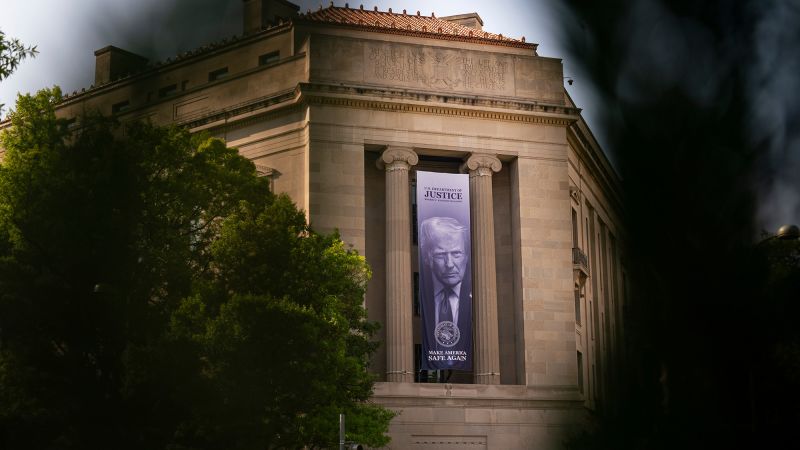
Sandego.net – Earlier this month, the U.S. Department of Justice (DOJ) withdrew subpoenas aimed at several reporters from *The Washington Post* and *The Wall Street Journal*, following a behind-the-scenes legal struggle initiated by the news organizations. The action came after weeks of intense pressure from former President Donald Trump, who sought to investigate sources of classified information related to Iran. While the subpoenas were officially rescinded, the episode has been described by media watchdogs as a troubling example of the executive branch’s efforts to intimidate journalists.
A Secret Legal Battle Erupts
The legal dispute, which unfolded in private, centered on the DOJ’s attempt to compel reporters to testify about their anonymous sources in a national security leak investigation. *The Wall Street Journal* revealed the probe last month, stating it had been “vigorously opposing this effort to stifle and intimidate essential reporting.” The *Post*, however, remained silent on the matter until Tuesday, when it disclosed that the subpoenas had been withdrawn after being challenged by the news organizations. A DOJ official familiar with the case confirmed the development to CNN, highlighting the role of the newsrooms in forcing the decision.
Trump’s Personal Campaign Against the Press
According to insiders, Trump personally orchestrated the subpoena process. Acting Attorney General Todd Blanche was reportedly handed a stack of printed articles, each marked with the word “Treason” in Sharpie, by the president. The documents were said to outline the administration’s concern over stories that detailed the decision-making process behind the Iran war. “In particular,” *The Wall Street Journal* noted last month, “Trump has focused his ire on articles that provided details on how he arrived at his decision to launch the war, and what his advisers had told him as he deliberated.”
Blanche later addressed the withdrawn subpoenas on Tuesday, asserting that “reporters are not our targets” and that the DOJ would “not stop investigating people who work in this administration who think it’s okay to leak classified information.” This statement underscored the administration’s determination to hold its own officials accountable while simultaneously targeting the press.
Subpoenas Withdrawn, But Not Forgotten
Despite the legal setback, the newsrooms remain vigilant about the possibility of future actions. The *Post* confirmed that the subpoena targeting Ellen Nakashima, a senior national security reporter, had been rescinded. Similarly, a source close to the matter revealed that the Wall Street Journal had also withdrawn its order a few weeks prior. Importantly, none of the journalists were ever required to testify about their sources, a key victory for press freedom advocates.
“With the news out and the subpoena withdrawn, I want to reiterate our unwavering support for the First Amendment rights enshrined in our constitution,” wrote *The Washington Post*’s executive editor, Matt Murray, in a memo shared with staff on Tuesday. “The legal protections afforded journalists, and our commitment to press freedom, are foundational to this institution.” Murray added that the *Post*’s mission—to “question, investigate, uncover and report”—remains as vital as ever, regardless of the political pressures faced.
Leak Hunts Fuel Trump’s Intimidation Strategy
The legal battle emerged from broader investigations into potential leaks within the Trump administration. Officials indicated that the DOJ’s National Security Division had already been preparing to examine the sources of classified stories, but Trump’s direct involvement accelerated the process. His stack of articles, which included details about Iran-related decisions, served as a catalyst for the subpoena campaign, according to sources.
While the immediate threat has been averted, the episode has raised concerns about the balance between national security and press freedom. Media organizations argue that the DOJ’s actions set a dangerous precedent, demonstrating how political leaders can use legal tools to pressure journalists into revealing sensitive information. “The notion that reporting on Iran war plans amounts to treason is preposterous,” said a press freedom advocate, emphasizing that the stories in question were carefully sourced and crucial to public understanding.
Legacy of the Subpoena Withdrawal
Although the subpoenas were withdrawn, the event has become a symbolic moment in the ongoing tension between the executive branch and the media. The *Post* and *The Wall Street Journal* have long been at the forefront of investigative journalism, and their ability to resist Trump’s demands underscores the resilience of the press in the face of political pressure. However, the episode also highlights the vulnerability of journalists to such tactics, particularly when dealing with high-profile figures in power.
“The legal challenge was not just about the specific case,” said one insider, “but about asserting the right to report without fear of retribution.” This sentiment aligns with the broader efforts of press freedom groups, which have criticized the DOJ’s approach as an overreach. “The withdrawal of these subpoenas is a win, but it’s only temporary,” another source noted. “The administration could always try again, and the journalists will need to stay prepared.”
As the story of the withdrawn subpoenas continues to unfold, it serves as a reminder of the critical role the press plays in holding government officials accountable. The *Post* and *The Wall Street Journal* have demonstrated their commitment to this role, even when facing the threat of legal action. Their actions, however, also highlight the challenges of maintaining independence in an era where political influence can shape the direction of investigative reporting.
The episode has prompted renewed debate about the limits of executive power and the importance of protecting journalists’ sources. While the DOJ insists it remains focused on uncovering leaks, the use of subpoenas as a tool for intimidation has sparked questions about the fairness of such investigations. For now, the newsrooms have succeeded in halting the immediate threat, but the broader implications of Trump’s approach linger, casting a shadow over the relationship between the press and the government.
Implications for the Future
Media experts warn that the withdrawal of subpoenas does not signify the end of Trump’s campaign to control the narrative. “This is a temporary reprieve,” said one analyst. “The administration may revisit these measures if new evidence emerges or if political goals shift.” The case has also drawn attention to the potential for similar actions in the future, particularly in investigations involving sensitive national security topics.
With the recent updates to the story, the focus remains on how the DOJ’s actions reflect a pattern of targeting journalists to ensure compliance with the administration’s messaging. The *Post* and *The Wall Street Journal* have become key battlegrounds in this struggle, and their ability to resist will be closely watched by other news organizations. As the legal and political landscape continues to evolve, the fight for press freedom is far from over, and the withdrawn subpoenas serve as a testament to the enduring importance of that struggle.