Angst at the Supreme Court before a rush of decisions
Sandego.net – A version of this story appeared in CNN’s What Matters newsletter. To get it in your inbox, sign up for free here.
The Trump Era’s Legal Impact
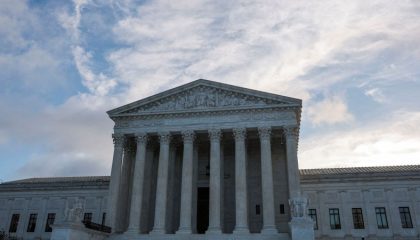
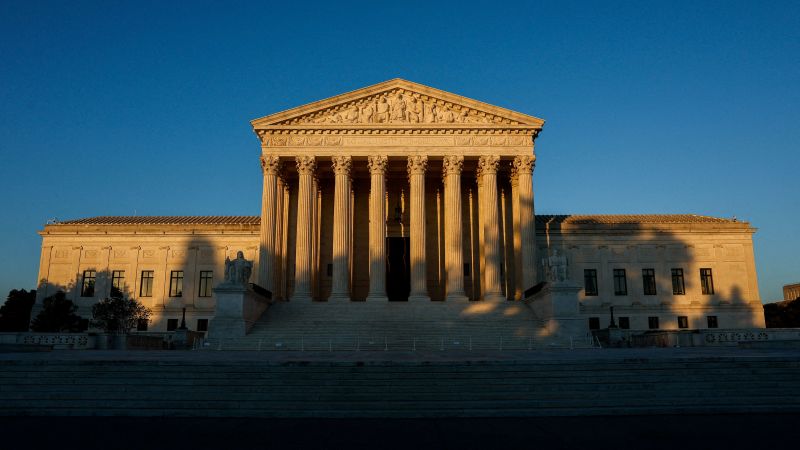
As spring transitions into summer, the Supreme Court is poised to release a series of landmark rulings that could reshape key aspects of American law. The justices have already delivered a term marked by significant shifts, with decisions that have undermined President Donald Trump’s policies in multiple ways. While the court struck down substantial portions of his tariff strategy, it simultaneously weakened the Voting Rights Act and tilted the playing field in favor of Republicans in the contentious redistricting battle that Trump initiated. These outcomes have sparked a wave of commentary, as legal analysts and observers grapple with the implications of the court’s recent actions.
“This is the quickening for Supreme Court reporters. We expect multiple major decisions in the coming month.”
— CNN Supreme Court reporter John Fritze
Fritze, reflecting on the current judicial climate, highlighted the Trump administration’s lingering influence on the court’s agenda. Despite the president’s re-election in 2020, the Supreme Court’s docket has been dominated by cases that trace back to his first term. These include the birthright citizenship dispute and the controversy surrounding the firing of independent officials. The court’s recent willingness to hear these cases—many of which had been pending for months—signals a pivotal moment in the legal landscape. However, the political weight of these rulings has not gone unnoticed, raising questions about the court’s neutrality.
Partisan Perceptions and Judicial Anxiety
One of the most pressing concerns for the justices is the perception of the court as a political entity. In two recent decisions, the court’s alignment with Trump’s agenda became evident, even though he was not explicitly named in the cases. The overturning of major portions of the Voting Rights Act, for instance, has been interpreted as a strategic move that bolsters Republican control in state legislatures. This has drawn criticism, with some arguing that the court is prioritizing partisan outcomes over constitutional principles.
“Trump’s presence rides over this docket in so many ways, in part because of his highly unusual reaction to the tariffs case.”
— John Fritze
Fritze explained that Trump’s public rebuke of the justices who ruled against him—calling them “an embarrassment to their families”—has amplified the perception of the court’s political role. While presidents often express dissatisfaction with Supreme Court decisions, Trump’s rhetoric has taken the issue to a new level. The justices, however, insist that their role is to remain impartial, even as they face pressure from the executive branch. The tension between these ideals and the reality of political influence is a growing topic of discussion within the court’s chambers.
Notably, the redistricting case that granted Republicans an advantage was delayed from the previous term, adding to the scrutiny of its timing. The decision, which limited the scope of the Voting Rights Act, was criticized for appearing to favor political outcomes. Fritze pointed out that this timing has allowed the court to be seen as increasingly responsive to partisan agendas, particularly in election-related matters.
Strategic Interventions in State Elections
Another layer of complexity arises from the court’s selective interventions in state-level disputes. In one case, the justices chose to step in, potentially aiding Republicans in Alabama, while declining to act in a similar matter that could have benefited Democrats in Virginia. This pattern has raised eyebrows, with some suggesting a deliberate effort to balance the impact of their rulings across different states.
“The argument that it’s not political is that the cases are different. The Virginia case was not a particularly strong case.”
— John Fritze
Fritze noted that the court’s decision to intervene in certain states but not others reflects a nuanced approach to influencing election outcomes. While the tariffs case was a clear loss for Trump, the court has positioned itself as a neutral arbiter in other areas, such as immigration and election laws. This dichotomy has left observers questioning whether the justices are genuinely impartial or if they are strategically aligning with specific political goals.
Justice Ketanji Brown Jackson, the most recent appointee and a prominent liberal voice, has publicly expressed concern about the court’s growing political image. Her comments suggest that even within the bench, there is unease about how the court’s decisions are perceived. Meanwhile, Justice Samuel Alito has countered these critiques, emphasizing the importance of legal reasoning over partisan considerations. Chief Justice John Roberts has also weighed in, underscoring the court’s commitment to its constitutional mandate.
The Road Ahead
With the coming decisions, the focus will shift to how the court navigates its role in the upcoming election. One of the key areas under scrutiny is the counting of mail-in ballots, a process that could determine the outcome of several closely contested races. Fritze highlighted that the court’s interventions in these matters may have lasting consequences, potentially altering the electoral landscape in a way that reflects its broader ideological leanings.
As the justices prepare to deliver their verdicts, the question of the court’s political influence looms large. The interplay between legal principles and partisan strategies has become a defining feature of their current term, with each decision adding to the narrative of the Supreme Court as a battleground for ideological battles. For the public, this dynamic has led to a growing skepticism about the institution’s ability to remain above the fray, even as it continues to shape the nation’s legal and political trajectory.
The court’s approach to these cases will be closely watched, not only for their immediate impact but also for their long-term implications on the balance of power in the United States. Whether the justices can reaffirm their role as an impartial arbiter or continue to be viewed as a political force remains to be seen. In the meantime, the anticipation of their rulings underscores the high stakes of the current term, as the nation braces for a new wave of judicial decisions that could redefine its future.