Viktor Orbán Re-elected as Fidesz Leader Amidst Election Defeat
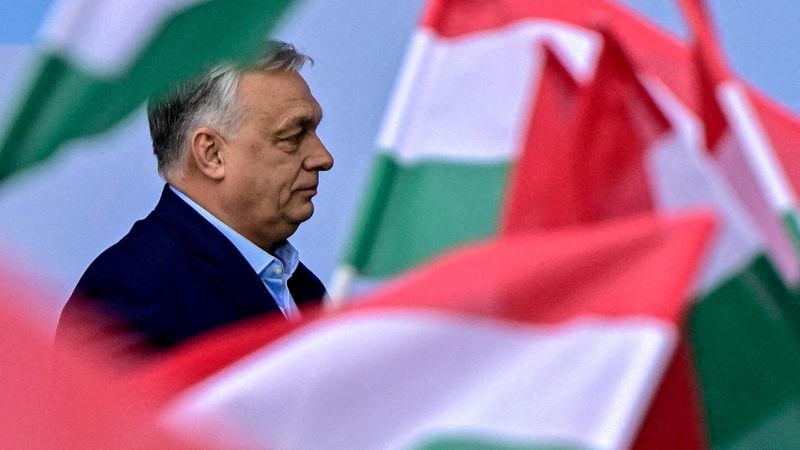
Sandego.net – Despite suffering a significant setback in the April 12 parliamentary elections, Hungary’s center-right Fidesz party has formally re-elected its long-standing leader, Viktor Orbán, for another term. The decision was announced on Saturday during the party’s congress, marking a pivotal moment in Orbán’s political journey. Though Fidesz lost its majority to the Tisza party, which secured a two-thirds parliamentary bloc, Orbán’s re-election underscores his enduring influence within the party and his resilience in the face of electoral challenges.
Orbán’s Leadership and the Shift in Political Dynamics
Viktor Orbán, 62, has been a central figure in Hungarian politics since 2010, when he first assumed the role of prime minister. His leadership has been characterized by a blend of nationalist rhetoric and economic reforms, earning him both admiration and controversy across Europe. The re-election of Orbán, however, came under the shadow of a decisive electoral defeat. Tisza’s victory, which handed them a supermajority in parliament, allowed the party to reverse some of Orbán’s constitutional changes that had reshaped Hungary’s governance structure.
The loss of power raised questions about Orbán’s future. For years, he had been a guiding force in the Fidesz party, shaping its policies and maintaining a firm grip on political discourse. Yet, the April election results exposed vulnerabilities in his coalition’s support, with opinion polls revealing a sharp decline in public backing. This marked the first major public critique of Orbán’s leadership since his 2010 ascent, as some of his former allies questioned his ability to adapt to a shifting political landscape.
A Strategy of Reinvention and Persistence
At the Fidesz congress, Orbán emphasized his commitment to the party’s revival. He spoke of the need to transform Fidesz from a governing entity into a strong opposition force capable of regaining power. His address, delivered before the final vote, highlighted a strategic shift: while acknowledging the election’s outcome, he framed it as an opportunity to refine Fidesz’s approach. “I do not give up, I never, never, never, never, never give up,” Orbán declared in a speech, underscoring his determination to continue leading the party.
“I do not give up, I never, never, never, never, never give up,” Orbán told the congress, reaffirming his belief in Fidesz’s long-term viability.
Orbán’s re-election was confirmed by a resounding margin, with 729 out of 737 delegates voting in his favor. The absence of serious challengers allowed him to consolidate his position, though the party’s new role as the opposition may require a different approach. Analysts note that Orbán’s ability to secure re-election despite the electoral loss signals his deep ties to the party’s base and his capacity to maintain loyalty even in difficult times.
Political Challenges and Public Sentiment
The Fidesz party’s support has dwindled significantly since the April election. According to a May survey by the Publicus Institute, Tisza now enjoys 55% public backing, up from the 53% it achieved in the election. In contrast, Fidesz’s support has plummeted to 17%, a steep drop from its 39% pre-election standing. These figures highlight the growing dissatisfaction among voters with Orbán’s policies, particularly his efforts to centralize power and reshape the country’s legal and judicial frameworks.
Orbán’s re-election also reflects the party’s internal dynamics. While the election marked a turning point for Fidesz, the party remains united under his leadership. His vision of an “illiberal” democratic model—emphasizing strong executive authority and limited parliamentary oversight—has been a defining aspect of his governance. Critics argue that this model has eroded civil liberties, while supporters credit it for economic stability and national unity.
The Path Forward for Fidesz and Orbán
With Tisza now in power, Orbán’s re-election places Fidesz in a precarious position. The party must navigate its new role as the opposition while maintaining its ideological core. Orbán has hinted at a rebranding effort, positioning Fidesz as a party of renewal and fiscal discipline rather than the dominant force it once was. This strategy aims to rebuild trust with voters who have grown disillusioned with his rule.
Political analysts suggest that Orbán’s resilience is tied to his ability to mobilize Fidesz’s core supporters. Many of these voters remain loyal to his policies, particularly his emphasis on immigration control and national sovereignty. However, the challenge of regaining parliamentary influence will require significant effort. Tisza’s two-thirds majority grants them substantial leverage, potentially enabling them to implement sweeping reforms that could reshape Hungary’s political future.
Legal and Political Pressures on the Prime Minister
Prime Minister Peter Magyar, the leader of the Tisza party, has already signaled his intention to challenge Orbán’s continued influence. Reports indicate that Magyar may pursue legal action against Orbán if he fails to step down from his role as party leader. This move reflects the tension between the two factions, with Tisza seeking to solidify its dominance and Fidesz striving to retain its ideological and political foothold.
Orbán’s re-election also raises questions about his long-term goals. While he has vowed to adapt Fidesz’s strategies, his vision for Hungary’s future remains rooted in his previous governance model. The upcoming months will be critical in determining whether the party can transition from a ruling coalition to a viable opposition force. Meanwhile, Orbán’s public speeches continue to resonate with his base, reinforcing his image as an unyielding leader who refuses to concede defeat.
As the political landscape shifts, Orbán’s position as Fidesz’s leader will be tested. His re-election is a testament to his ability to inspire loyalty, even in the wake of electoral loss. However, it also highlights the need for the party to address growing concerns about its policies and governance style. The challenge for Orbán and his allies will be to balance ideological consistency with pragmatic adjustments, ensuring that Fidesz remains a formidable political force in Hungary’s evolving democracy.