Venezuelans Deported by the US Hours Before Earthquake Tragedy Are Still Missing
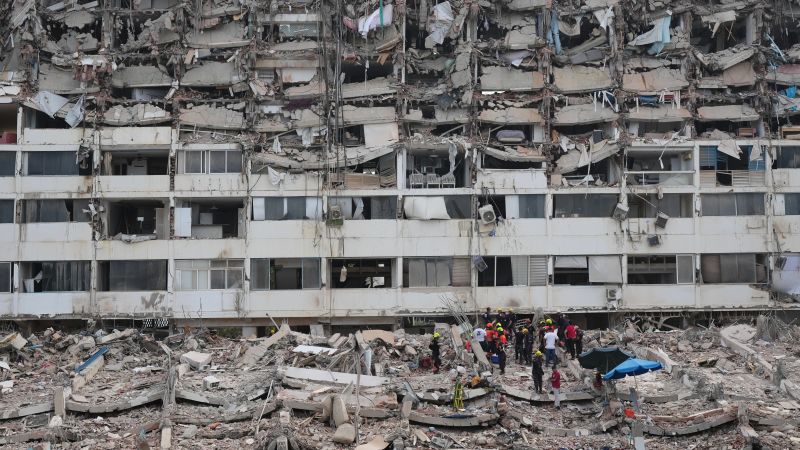
Sandego.net – Three days after being sent back to Venezuela, 146 individuals—comprising 19 women and 7 children—were found trapped in the ruins of a hotel in La Guaira, a coastal city near Caracas, following a series of devastating earthquakes. The collapse of the structure, which had housed the deportees shortly after their arrival, has left families in despair, with no clear information about the whereabouts of their loved ones. This tragic sequence of events has raised questions about the timing of the deportations and the preparedness of Venezuelan authorities to handle such a crisis.
The Deportation Flight
The group was transported via a deportation flight from Miami to Simón Bolívar International Airport, as reported by Venezuelan officials and ICE Flight Monitor, a program managed by Human Rights First that tracks such missions. The plane landed at 10:22 a.m. local time on Wednesday, and the deportees were promptly taken to Hotel Santuario, a facility in La Guaira. The timing of their arrival coincided with the onset of a seismic event that would soon turn their return home into a nightmare.
A Shattered Moment
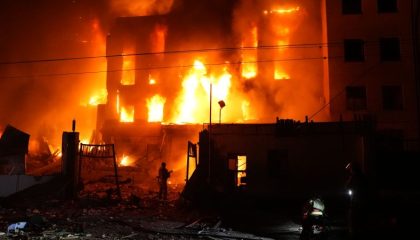
Just hours after the deportees settled into the hotel, two powerful earthquakes, described as once-in-a-century occurrences, struck Venezuela. The tremors caused significant damage, particularly in La Guaira, where the hotel collapsed, trapping dozens inside. The disaster resulted in the deaths of at least 1,700 people, with many more still unaccounted for. Among the victims were the recently deported Venezuelans, whose survival remains uncertain.
“They are not giving us answers about where she is,” said Luis Armando Dasilva, who has waited five days for news about his sister, Amanda Donizete. “We have already checked the hospital and the morgue and still haven’t found her.” Dasilva, who had been in the US for years, described his sister’s emotional state upon her return. “She was very happy to come back to her country and wanted to see her family,” he recalled. The sentiment was shared by many, as the deportees had been eager to reunite with loved ones after fleeing Venezuela’s humanitarian crisis.
Hope Dwindles in the Rubble
Rescue teams have been tirelessly searching through the debris, but the passage of days has brought a sense of urgency and desperation. “Please, those of you who are here, help us, help us,” pleaded José Gregorio Rincón Ávila, the grandfather of one of the deportees. “We have been waiting many days. We already know the bodies have been there since Wednesday, but at least let us take our loved ones home.” His words reflect the growing anxiety of families who fear their relatives may never be found.
Meanwhile, other relatives express a simple yet profound wish: the ability to lay their loved ones to rest. “We just want to be able to bury them,” said Dasilva, echoing the plea of many. The emotional toll of the disaster is evident, as families grapple with uncertainty and grief. Some have even lost hope, with one woman stating, “Since Friday we have been waiting for an answer to see if (the local authorities) will hand over the bodies to us. Because they say there is no life.” Her husband, who had been in the US for three years, had hoped to return home safely, but the earthquake shattered that dream.
US Response and Deportation Trends
The US has responded swiftly to the crisis, deploying search and rescue teams to assist in the recovery efforts. To date, over $300 million has been allocated to relief initiatives in Venezuela. However, the timing of the deportations has sparked debate about whether the US should have delayed sending the group to avoid the disaster. Since October, when the Supreme Court allowed the Trump administration to terminate Temporary Protected Status (TPS) for 300,000 Venezuelan migrants, hundreds have been deported each week. In May alone, 1,746 Venezuelans were sent back, according to ICE Flight Monitor.
The decision to end TPS was based on the belief that conditions in Venezuela had improved enough to allow for repatriation. Yet, the earthquake has cast a shadow over this policy, highlighting the risks faced by those returning to their homeland. The incident has also prompted calls for greater coordination between US immigration agencies and Venezuelan authorities to ensure safety during such large-scale movements.
A Family’s Last Call
Yulis Salcedo, the mother of a 21-year-old son named Anderson, shared a poignant moment from the day of his deportation. “He called me at 5 p.m. and told me, ‘I love you so much, Mom. See you tomorrow at home,’” she said in an interview with Reuters. Salcedo had decorated her home with the colors of Venezuela’s flag—blue, yellow, and red—anticipating her son’s safe return. Now, Anderson is fighting for his life in a hospital, having survived the collapse but suffering severe injuries, including the loss of both legs. “I want justice because it’s not fair that my son is lying in that bed, with respiratory support, at the age of 21,” she said, her voice filled with anguish.
Salcedo’s story is emblematic of the broader impact of the earthquake. While the disaster has affected thousands, the deportees’ experience adds a layer of tragedy, as they had recently left the US with hope for a better future. Their return to Venezuela, however, was cut short by the seismic event, leaving them stranded in the chaos.
Questions Remain
CNN has sought comments from the US Immigration and Customs Enforcement (ICE), the Department of Homeland Security, and the State Department regarding the fate of Wednesday’s deportees. While the agencies have confirmed the presence of the group in La Guaira, they have yet to provide clarity on the exact number of survivors or the status of the missing. The situation underscores the challenges of coordinating large-scale deportations with the potential for natural disasters.
As the search continues, families remain hopeful but increasingly desperate. The collapse of the hotel serves as a stark reminder of the fragility of life and the importance of preparedness. While the US has committed resources to the relief effort, the question of whether the deportees could have been evacuated in time lingers in the minds of many. For now, the focus is on finding answers and bringing closure to the families of the missing.