Tracking the Reopening of the Strait of Hormuz, in Live Maps and Charts
US-Iran Accord Sparks Renewed Activity in Strategic Waterway
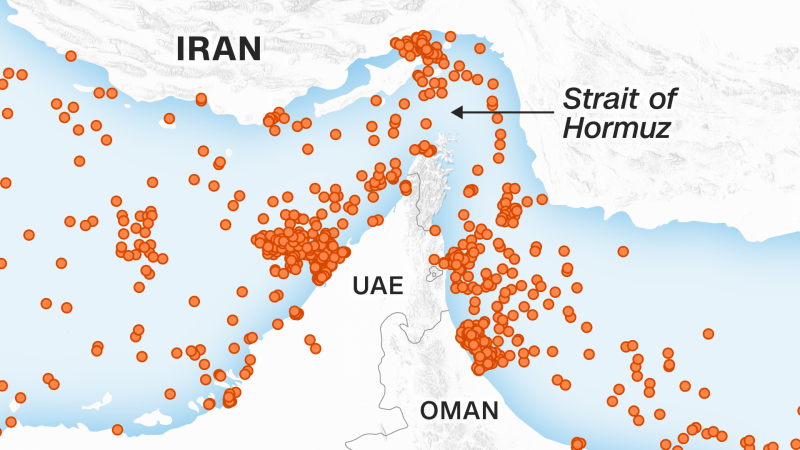
Sandego.net – On June 17, the United States and Iran finalized an agreement that aims to restore commercial flow through the Strait of Hormuz. This critical maritime passage, which had been disrupted during the recent conflict, is set to see its first vessels pass through in a coordinated effort to stabilize regional trade. According to data from Marine Traffic, at least seven ships successfully navigated the strait on Thursday, marking a tentative return to normalcy. CNN is providing real-time updates on the strait’s recovery, using interactive maps and evolving traffic charts to illustrate the progress made so far.
The agreement, formalized through a memorandum of understanding (MOU), includes a key provision that ensures commercial movement through the strait will begin without delay. This step is vital for reestablishing the flow of goods and energy resources between the Gulf and global markets. The MOU also outlines the responsibilities of both nations, with the United States committing to remove its naval blockade of Iranian ports by July 19. Meanwhile, Iran is tasked with making its “best efforts” to return traffic volumes to pre-war levels within the same timeframe, as stated in the agreement.
“Commercial traffic in the Strait of Hormuz ‘will immediately start’ under the terms of this agreement,” said a U.S. official, emphasizing the commitment to easing tensions.
Strait of Hormuz: A Lifeline for Global Oil Trade
The Strait of Hormuz has long been a linchpin of the world’s energy infrastructure. Before the conflict, approximately 20% of the planet’s total oil production traversed this narrow waterway, which connects the Arabian Peninsula to the Indian Ocean. Its reopening is not just a logistical achievement but a symbolic shift in the geopolitical landscape of the Middle East. The agreement’s focus on restoring this vital corridor highlights the mutual recognition of its strategic importance, even as concerns about long-term control remain.
Marine Traffic data revealed that seven ships had passed through the strait by Thursday, a modest but significant sign of progress. These vessels, including tankers and freighters, are part of a broader effort to gauge how quickly the region can recover from the disruption caused by the blockade. The live maps CNN is using to monitor the situation show a gradual increase in activity, with traffic patterns beginning to mirror pre-war conditions. However, analysts caution that the initial numbers may not reflect the full scale of operations yet, as the strait’s capacity for daily movement remains under observation.
Implementation Challenges and Uncertain Outcomes
While the MOU sets clear deadlines, its success hinges on the cooperation of both parties and the broader regional environment. The United States has agreed to lift its naval blockade of Iranian ports within 60 days, a timeline that includes the period from June 17 to July 19. This action is intended to demonstrate goodwill, but it also leaves room for interpretation. The agreement does not explicitly define the long-term authority Iran will hold over the strait, raising questions about its sovereignty in the region.
Iran’s role in the agreement is equally critical. The nation is expected to take proactive steps to ensure the strait’s full functionality, though the specifics of these efforts are still being clarified. The 60-day toll-free period for ships is a temporary measure, allowing for a transitional phase before any fees are reintroduced. This arrangement is designed to give Iran and its Gulf neighbors time to negotiate a new framework for managing the waterway, which could include revenue-sharing mechanisms or shared responsibility for security.
Regional Implications and Broader Geopolitical Impact
The reopening of the Strait of Hormuz has far-reaching implications for the Gulf region and beyond. For countries like the United Arab Emirates, Saudi Arabia, and Oman, the waterway is a crucial artery for transporting crude oil to international markets. Any sustained disruption could lead to energy price volatility and supply chain challenges, affecting economies worldwide. The agreement’s success in reinstating regular traffic will determine whether the U.S.-Iran truce can endure or if the strait’s control remains a contentious issue.
Experts note that the agreement’s effectiveness depends on factors beyond the immediate military ceasefire. These include the willingness of Iran to maintain open access to the strait, the ability of the U.S. to support the move diplomatically, and the reactions of other Gulf states. While the initial data is encouraging, the long-term stability of the strait will require consistent monitoring and adjustments to the MOU. The live maps and charts CNN is displaying offer a visual representation of this dynamic process, allowing users to track the gradual normalization of maritime activity.
Additionally, the agreement includes provisions for resolving disputes over the strait’s management. Iran and its Gulf neighbors are working to establish a sustainable framework that balances economic interests with security concerns. This process may involve renegotiating toll fees, setting operational guidelines, or even integrating the strait into a regional shipping alliance. The 60-day window provides a critical opportunity to address these complexities, though time will tell if the collaborative spirit of the agreement can translate into lasting solutions.
As the strait’s reopening progresses, the focus will shift from immediate relief to the establishment of a durable framework for its governance. The data collected from this period will be essential in assessing the agreement’s success and identifying any lingering challenges. With the initial vessels navigating the waterway, the world watches closely to see how this critical passage will function in the days and weeks ahead, signaling a potential new era of cooperation in the Gulf region.
Amid the optimism surrounding the agreement, some analysts highlight the unresolved issue of control. The MOU does not specify whether Iran will retain authority over the strait’s operations or if it will cede that role to a collective arrangement. This ambiguity could lead to future disputes, particularly if Iran seeks to impose fees or restrictions on shipping traffic. The 60-day toll-free period serves as a temporary compromise, but the long-term implications of the strait’s management remain a subject of debate among policymakers and maritime experts.
The reopening of the Strait of Hormuz is a testament to the power of diplomacy in easing tensions. By agreeing to a temporary truce, the U.S. and Iran have demonstrated their shared interest in stabilizing the region’s energy supply. However, the road to full recovery is fraught with uncertainties, and the success of the agreement will depend on continued cooperation and transparency. As the strait’s activity grows, the live maps and charts will play a crucial role in tracking its progress, offering a real-time window into the evolving dynamics of this strategic waterway.