
US Inflation Remained Stubborn Last Month as Energy Costs Rose
Sandego.net – US inflation remained stubborn last month, as higher fuel and energy costs linked to the war in Iran continued to put pressure on household budgets. The latest August data showed that the Federal Reserve’s preferred inflation measure remained well above its long-term target.
The Personal Consumption Expenditures price index increased 0.3% in August from July, the Commerce Department said Wednesday. Compared with a year earlier, the index rose 3.4%, unchanged from July’s annual rate.
The monthly increase was lower than many economists expected. FactSet estimates had called for a 0.4% rise during the month and a 3.7% annual inflation rate, but the report still indicated that price pressures had not disappeared.
Energy Prices Continue to Affect Consumers
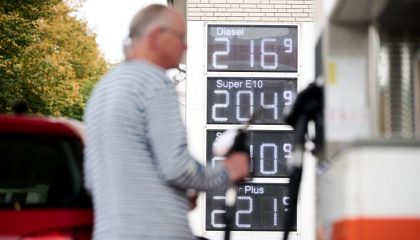
Energy expenses increased in August as the conflict involving Iran lifted fuel-related costs. Higher energy prices can influence much more than gasoline purchases, raising transportation, shipping, commuting and production expenses throughout the economy.
Consumers may notice the pressure most directly at gas stations or in household electricity and heating bills. Companies also face higher costs when fuel becomes more expensive, and those increases can eventually affect prices for everyday goods and services.
US inflation remained stubborn last month partly because energy shocks can spread quickly through supply chains. Even when some categories become less expensive, rising fuel costs may keep broader price growth elevated.
Why the PCE Inflation Measure Matters
The PCE price index is closely watched because it is the inflation gauge preferred by Federal Reserve policymakers. It tracks prices paid by consumers across a broad range of goods and services while accounting for changes in spending habits over time.
Federal Reserve officials consider inflation alongside employment, consumer spending and other economic indicators when making interest-rate decisions. Persistent inflation can make those choices more difficult, particularly when global events drive costs higher.
The August report delivered a mixed signal. The monthly increase was smaller than forecast, but the annual rate held steady at 3.4%. That suggests inflation may be moderating unevenly rather than moving consistently back toward the Federal Reserve’s goal.
Data Revisions Could Change the Picture
Economists had expected August figures to reflect methodological updates affecting several important categories. The Bureau of Economic Analysis regularly revises national, industry and regional data as more complete information becomes available.
Those revisions are intended to improve measurement, and economists estimated they could lower the annual PCE inflation rate by a couple of percentage points. A revised inflation rate does not mean prices suddenly decline; it can instead reflect a different calculation of how quickly prices are rising.
That difference is important for households. Slower inflation means prices are rising less rapidly, but it does not mean that food, housing, fuel or other necessities have returned to earlier price levels.
What the August Report Means for Household Budgets
Consumer spending is a major part of US economic activity, making the PCE report important for families and businesses alike. When essential costs rise, households may need to adjust budgets or make tradeoffs in other areas of spending.
US inflation remained stubborn last month despite a smaller-than-expected monthly increase. With annual PCE inflation still at 3.4%, energy markets and the continuing effects of the Iran war could remain important factors in upcoming inflation reports.
Frequently Asked Questions
What does a 3.4% annual PCE inflation rate mean?
It means that, on average, prices measured by the PCE index were 3.4% higher in August than they were a year earlier. It does not mean every product or service increased by that exact amount.
Why do energy prices affect inflation?
Energy is used to transport people and products, power businesses and support production. When fuel and electricity costs rise, businesses may face higher expenses that can contribute to higher prices for consumers.
Does lower inflation mean prices are falling?
No. Lower inflation usually means prices are still rising, but at a slower pace. Prices fall only when there is deflation, meaning the overall price level declines.