
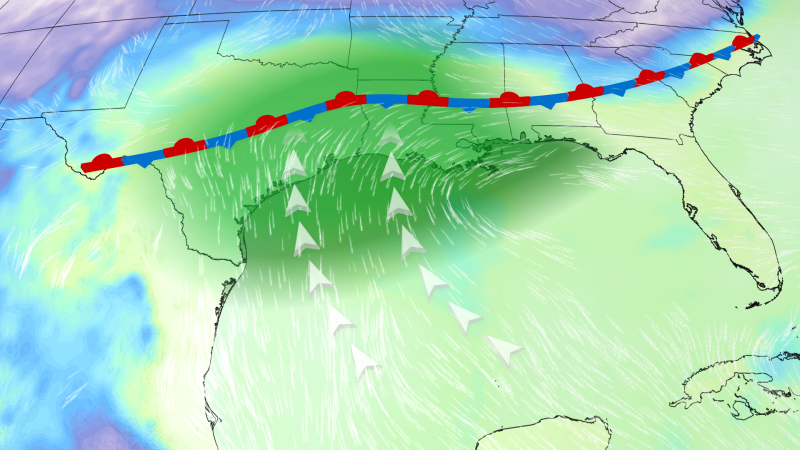
Major Flood Threat for Texas as Tropical System Intensifies
Sandego.net – Major flood threat for Texas has escalated this week, fueled by an intensifying tropical system that is supercharging heavy rainfall across the Gulf states. With the Atlantic hurricane season approaching, meteorologists warn that the convergence of moisture from recent storms and a stalled weather pattern is creating a dangerous situation. The National Weather Service has issued updated alerts, emphasizing the heightened risk of flash floods in central and southern Texas, as well as Louisiana and Mississippi. This scenario underscores the urgency for residents to prepare for severe weather impacts.
Tropical System and Rainfall Patterns
The developing system over the Gulf of Mexico is expected to strengthen, potentially becoming the first tropical storm of the season. The National Hurricane Center reports a moderate chance of the system evolving into a tropical depression or storm by late Tuesday or Wednesday. If it attains tropical storm status, it would be named Arthur. The system’s ability to draw moisture from the remnants of last week’s Tropical Storm Cristina in the Eastern Pacific is amplifying the intensity of rainfall, with projections of 5 to 10 inches in some areas.
Heavy downpours are already causing significant disruptions. In central Texas, streets have been submerged, and multiple vehicles have been stranded in floodwaters. Officials in Waco and surrounding counties describe the situation as unprecedented, with low water crossings underwater and emergency crews conducting water rescues on major highways. The National Water Center has reiterated warnings about the flash flood threat, urging communities to remain vigilant as the system persists.
Emergency Response and Regional Impact
As floodwaters rise, emergency responders are working tirelessly to mitigate the crisis. Gov. Greg Abbott has mobilized additional state resources, with teams actively searching for missing individuals and rescuing stranded vehicles. In Travis County, 80 low water crossings were flooded by Monday, prompting multiple rescue operations. Similarly, in Louisiana, Shreveport drivers faced dangerous conditions, with floodwater entering commercial buildings and educational facilities. Local authorities in Caddo Parish reported over 50 water rescue calls within a six-hour span.
Residents in high-risk zones are being urged to monitor updates and consider evacuation plans. The extended duration of the flood threat, which spans multiple days, has raised concerns about prolonged inundation. Experts note that the system’s interaction with a stalled frontal boundary is likely to sustain heavy rainfall, increasing the risk of life-threatening flash floods. The combination of extreme precipitation and rising water levels is challenging both emergency personnel and everyday citizens to adapt quickly.
Historical Context and Flood Threat Levels
The Weather Prediction Center has issued a Level 3 flood threat for four consecutive days, covering parts of Texas, Louisiana, and Mississippi. This classification indicates a high likelihood of severe flooding, a level not seen in the U.S. since July 2025. The prolonged nature of the threat highlights the system’s strength and the need for sustained preparedness. With the potential for additional rain, the major flood threat for Texas may continue to worsen, affecting both urban and rural areas.
Officials emphasize that the system’s development could lead to historic rainfall totals, with some regions potentially receiving over 10 inches of rain this week. The National Weather Service has upgraded alerts to reflect the growing risk, while the National Water Center continues to monitor the situation closely. As the system progresses, its impact on infrastructure and communities could be far-reaching, prompting further action from local and state authorities to manage the major flood threat for Texas.
“We are witnessing a significant increase in floodwaters, and the major flood threat for Texas is more severe than anticipated,” said Texas Game Warden Capt. Matthew Kiel. “Residents must take this seriously and stay informed about changing conditions.”