
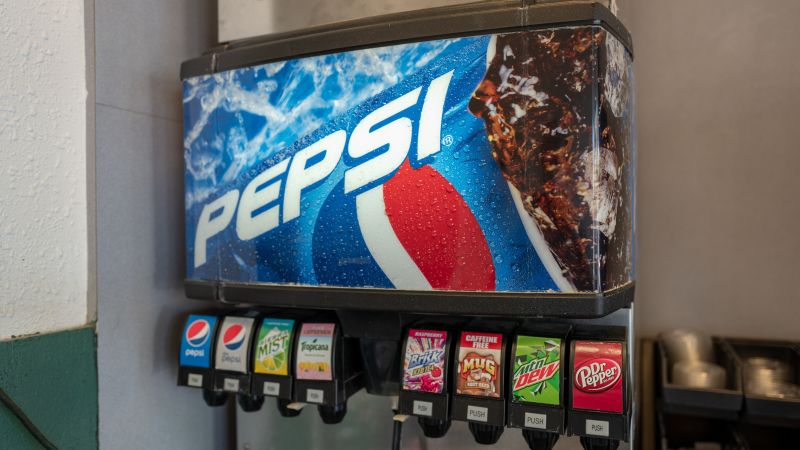
Taco Bell Extends PepsiCo Partnership Through 2036 as KFC Moves to Coca-Cola
Sandego.net – Taco Bell has given PepsiCo a major vote of confidence by renewing its beverage partnership for another 10 years, preserving one of the most recognizable relationships in fast food at a pivotal moment for the drinks company.
The agreement, announced Thursday, keeps PepsiCo products at Taco Bell through 2036 and secures the future of Mountain Dew Baja Blast at the chain. The renewal comes shortly after sibling restaurant brand KFC ended its longtime PepsiCo arrangement in favor of Coca-Cola.
Both Taco Bell and KFC are owned by Yum! Brands, but their commercial importance to PepsiCo is far from equal. Taco Bell generated about $17 billion in US system-wide sales last year, compared with roughly $5 billion for KFC. Keeping Taco Bell in its portfolio therefore carries particular weight for PepsiCo after the KFC loss.
A crucial win for PepsiCo
The Taco Bell renewal arrives during a difficult period for PepsiCo’s North American beverage operation. Its most recent quarterly results showed a 2% decline for the unit, while chief executive Ramon Laguarta acknowledged that the company has not been performing strongly against soft-drink competitors.
“Not competing well in soft drinks,” including the newly acquired Poppi brand.
The departure of KFC is especially notable because PepsiCo once owned the fried chicken chain. Yet Taco Bell’s sales scale, cultural visibility and focus on exclusive menu items make the new agreement a more consequential long-term opportunity. The deal also gives PepsiCo a continuing platform for testing new drink concepts with a national restaurant brand.
Baja Blast remains central to that strategy. Originally associated closely with Taco Bell, the Mountain Dew variation has developed into a brand valued at $1 billion. Its popularity demonstrates the value of products that customers cannot easily get in the same setting elsewhere, especially as restaurant chains compete for repeat visits.
More drinks, food collaborations and exclusive flavors
Under the extended partnership, Taco Bell and PepsiCo plan to keep working together on beverage and food launches. The companies said the collaboration will include additional flavors for Doritos Locos Tacos, further connecting PepsiCo’s snack brands with Taco Bell’s menu.
The partners also intend to pursue opportunities across crafted beverages, functional drinks and energy products. Their stated goal includes offerings that appeal to Gen Z customers and create more reasons to visit during morning and afternoon hours, periods that have traditionally offered room for growth beyond lunch and dinner.
“Emerging beverage trends across crafted, functional and energy beverages, including energy offerings designed to appeal to Gen Z consumers and unlock new morning and afternoon occasions.”
One upcoming Baja Blast-related release is a limited-time pink lemonade developed with singer Olivia Rodrigo. Such collaborations can give a menu item an additional cultural moment while helping a chain create urgency around a limited offering.
Taco Bell has already made beverages an increasingly visible part of its growth plan. The chain is targeting $5 billion in beverage revenue by 2030, a goal that places drinks alongside food innovation as a key part of its broader business strategy. Last year, it introduced its Refrescas lineup for customers seeking something to drink between traditional meal occasions.
Why beverages matter more in a value-conscious market
Fast-food operators are placing greater emphasis on drinks as diners become more selective about spending. Higher food prices have pushed many consumers to reduce restaurant visits or look more closely at the value they receive. Beverages can help chains offer a lower-cost reason to visit, while also supporting higher average checks when paired with meals.
Exclusive products can be particularly effective in this environment because they give customers a specific reason to choose one restaurant over another. Baja Blast has long played that role for Taco Bell, linking a distinctive drink with the chain’s broader identity.
“Taco Bell’s Baja Blast lineup has often been a key differentiator for the brand, and leaning into product exclusives can help drive visitation to quick service restaurant chains.”
Elizabeth Lafontaine, director of research at location analytics firm Placer.ai, has noted that exclusive offerings become even more important when quick-service restaurants face stronger competition and customers expect greater value from their purchases.
“Especially as the industry faces steeper competition and consumers who are on the hunt for more value from fast food offerings.”
Taco Bell’s momentum faces a recent challenge
Taco Bell has been one of the brighter performers in the fast-food sector, though it experienced a traffic decline during the summer. The decrease followed a cyclospora outbreak linked to lettuce served at several restaurants. The company is expected to provide a more complete assessment of the sales effect when it releases earnings next month.
For now, the renewed PepsiCo partnership gives Taco Bell a stable foundation for one of its most visible menu categories. It also offers PepsiCo an important counterweight to the loss of KFC, ensuring that its products—and especially Baja Blast—will remain closely tied to a fast-food brand with significantly larger US sales.
Related Reading
Frequently Asked Questions
What is KFC switches to Coke But Pepsi?
KFC switches to Coke But Pepsi is the main topic of this guide. The article explains the context, practical details, and next steps readers should understand.
Why does KFC switches to Coke But Pepsi matter?
KFC switches to Coke But Pepsi matters because readers are looking for a useful answer, not just a short summary. Good content should match search intent and help them decide what to do next.