Colombia’s New Government Faces Scrutiny Over Earthquake Aid Response
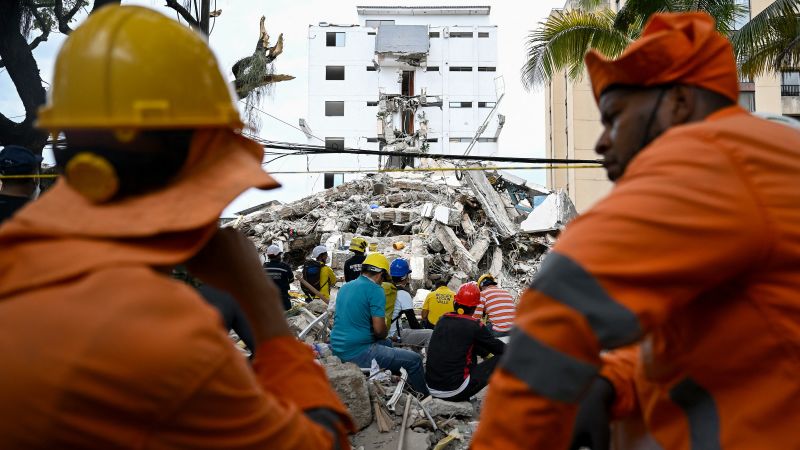
Sandego.net – International rescue teams are finally arriving in Colombia following a period of hesitation that has drawn attention to the country’s newly formed administration. The 7.4 magnitude earthquake that struck on Monday has triggered a complex diplomatic and logistical situation as the critical window for saving lives under collapsed structures draws to a close.
President Abelardo de la Espriella’s conservative government, which assumed power just days before the disaster, initially declined or restricted several international assistance offers. This cautious approach has emerged as the first major controversy for the administration, particularly as experts emphasize that the chances of finding survivors diminish significantly after seventy-two hours.
A Delayed but Necessary Coordination
The timing of the earthquake proved challenging for Colombia’s disaster response infrastructure. David Tamayo Roldán was only appointed on Wednesday as director of the National Unit for Disaster Risk Management, the agency responsible for coordinating emergency operations. This lack of formal transition between administrations created what experts describe as understandable but problematic short circuits in communication.
Without a transition and with that kind of personnel change, it was perfectly normal for these short circuits to occur, said Sandra Borda, a political scientist and professor at Universidad de los Andes.
Multiple nations and international organizations reported on Tuesday that they had not received formal requests for assistance. The United Nations system indicated readiness to provide comprehensive support once official channels were established.
If that happens, the United Nations system and humanitarian actors are prepared to provide all the support we can, stated Jens Laerke, spokesperson for the UN Office for the Coordination of Humanitarian Affairs.
Regional Responses and Diplomatic Nuances
Mexico had prepared substantial resources including tons of supplies and a contingent of two hundred fifty-five military personnel, but deployment remained pending official Colombian authorization. The Chinese ambassador to Colombia, Zhu Jingyang, issued an urgent appeal for the establishment of an official coordination channel.
We hope the Colombian Government will immediately announce the name of the official and their contact to coordinate international assistance for the earthquake victims, ambassador Zhu Jingyang emphasized.
Salvadoran President Nayib Bukele announced on Tuesday that humanitarian aid would be dispatched, though he noted the Colombian government had specifically requested supplies rather than personnel. Salvadoran rescue teams, medical personnel, and emergency bodies were already deployed and attending to the situation locally.
Peru confirmed on Wednesday that volunteers would be sent to support search and rescue operations, demonstrating the region’s willingness to provide comprehensive assistance beyond material supplies.
Certification Requirements and Selective Acceptance
The Colombian Foreign Ministry later indicated it was preparing a detailed list of specific needs to guide international aid efforts. The ministry had also requested support from the United Nations Development Programme.
The new disaster management head explained on Wednesday that rescue teams had been requested from only four nations: the United States, El Salvador, Ecuador, and Israel. Colombia’s position was that these countries possessed both international and national certifications required for effective rescue operations in complex urban environments.
We work with countries without any ideological or political consideration, Foreign Minister Omar Bula insisted, clarifying that no country had been absolutely excluded from consideration.
The United States confirmed on Wednesday that search and rescue teams from Virginia and California had been mobilized following a formal request from Colombian authorities.
Expert Analysis and Growing Concerns
Sandra Borda provided critical analysis of the situation, suggesting that the new government demonstrated a deep distrust of certain segments of the international community. She characterized this attitude as difficult to understand given the urgency of the situation.
I think this happened to us at a very difficult time. It is truly a regrettable situation, Borda commented, noting that there was no clarity about the procedure that was to be followed regarding the arrival of rescuers.
Borda also pointed out an inconsistency in the government’s position: the subsequent acceptance of international experts undermined the initial argument that local rescue teams were sufficient. There was a perception from the beginning that rescue teams would be adequate, though this perception was challenged as the situation evolved and international offers continued to arrive.
The episode highlights broader questions about Colombia’s disaster preparedness systems and its approach to international cooperation during crises. As the seventy-two-hour window closes, the focus shifts from rescue to recovery, with international partners now positioned to provide sustained support through the rebuilding process.
Related Reading
Frequently Asked Questions
What is Colombia limits foreign rescue teams as earthquake?
Colombia limits foreign rescue teams as earthquake is the main topic of this guide. The article explains the context, practical details, and next steps readers should understand.
Why does Colombia limits foreign rescue teams as earthquake matter?
Colombia limits foreign rescue teams as earthquake matters because readers are looking for a useful answer, not just a short summary. Good content should match search intent and help them decide what to do next.