Airline Involved in Low Stadium Flyover Shares Black Box Data
Sandego.net – The airline involved in low stadium flyover operations in South Africa has voluntarily surrendered its digital flight-recorder recordings to regulators after two Embraer jets skimmed the roof of a packed rugby venue in Cape Town. The South African Civil Aviation Authority confirmed it is reviewing every altitude and speed parameter captured during the maneuver, while the carrier insists all limits were respected. The episode has thrust the country’s aviation oversight apparatus into an uncommon global spotlight, drawing both national enthusiasm and pointed expert alarm.
What Happened Over the Stadium
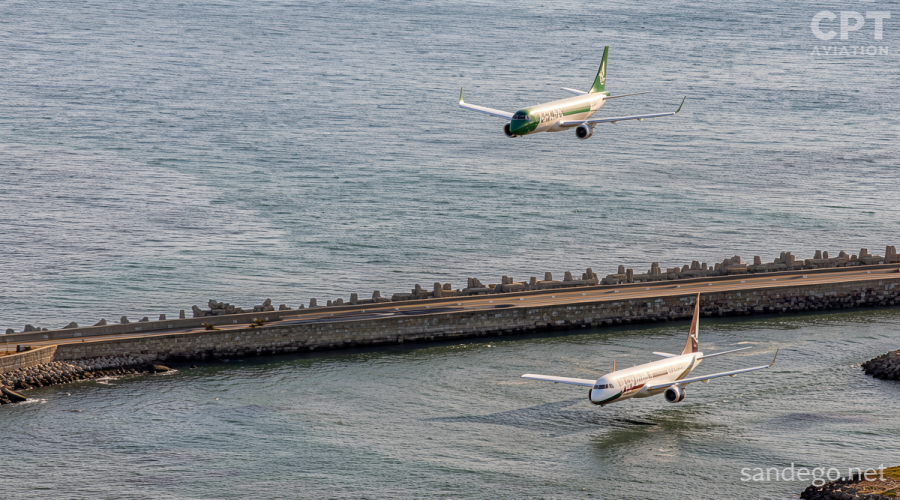
Two 98-seat Embraer-190 regional aircraft operated by Airlink, a domestic South African carrier, executed a synchronized pass directly above the DHL stadium just minutes before kickoff of the Springboks-versus-All Blacks test match. Flightradar24 tracking placed the jets at approximately 46 feet above the stadium roof at their nadir — a clearance so razor-thin that aviation specialists immediately questioned whether any commercial operation should attempt such a profile over a structure holding tens of thousands of spectators.
Neither jet carried passengers. Each was crewed by three senior captains, one of whom was designated specifically as a safety and technical officer for the exercise. The aircraft had been specially painted to celebrate what the airline termed “rugby’s greatest rivalry.”
Regulatory Response and Airline Justification
On Wednesday, the airline involved in low stadium flyover promotions announced it would release the recordings from both aircraft’s digital flight data recorders — colloquially known as black boxes — to demonstrate full compliance with every altitude and speed ceiling set by the regulator.
“The data recorded by both aircrafts’ digital flight data recorders (black boxes) indicate that the flights were performed within the (South African Civil Aviation Authority’s) approved and rehearsed safety altitude and speed limits for the fly-past.”
The carrier further stated that authorities had provided “guidance, approval and support to ensure a safe flyby,” framing the operation as a fully sanctioned event rather than an improvised stunt. The aviation authority, in a statement posted online, confirmed it was examining the flight data and had requested supplementary information from Airlink. The agency struck a measured tone, stressing the need for evidence before drawing conclusions.
“It is therefore critical that we interrogate this past weekend’s events with clear minds and data at our disposal to determine if there were any safety concerns which warrant a review.”
Notably, the authority disclosed that Airlink had withdrawn an application for a third flyover originally planned for the following weekend, effectively pausing the promotional series after two consecutive low passes.
A Wider Pattern of Near-Ground Aircraft Events
The Cape Town incident did not occur in isolation. Just one week earlier, the same pair of painted jets performed a comparable flyby over Ellis Park stadium in Johannesburg. The recurrence within days amplified public attention and regulatory scrutiny considerably.
More broadly, the summer of 2026 has produced a string of near-ground aircraft events that have rattled aviation communities worldwide. In July, a pilot from the U.S. Navy’s Blue Angels demonstration team flew dangerously low over spectators at the Pensacola Beach air show, sending tents airborne and prompting military leadership to issue public justifications for the maneuver. A month before that, a Boeing 777 conducting a test flight passed as little as 25 feet above a runway at Horseshoe Bay, Texas, triggering a federal investigation.
Under United States regulations, a commercial aircraft must maintain at least 1,000 feet above congested areas unless it holds explicit permission from the Federal Aviation Administration. South Africa, which the United States has determined meets international standards for aviation oversight, operates under its own regulatory framework administered by the South African Civil Aviation Authority. The contrast in altitude thresholds has made the Cape Town flyover a recurring talking point among international safety analysts.
Expert Criticism Meets National Pride
Aviation safety veterans were quick to voice concern. Pete Goelz, who previously chaired the U.S. National Transportation Safety Board, called the maneuver unnecessary and hazardous.
“It was a very unsafe procedure and not necessary. A flyby at 1,000 ft is already impressive, and people enjoy it, and there’s no reason to lower it other than unnecessary risk taking.”
His assessment echoes a long-standing principle in flight operations: the lower the altitude over a populated structure, the smaller the margin for engine failure, wind shear, or any other unexpected deviation. Critics argue that the airline involved in low stadium flyover marketing should weigh commercial spectacle against the irreversibility of a catastrophic outcome over tens of thousands of people.
Frequently Asked Questions
What altitude did the jets actually fly over the stadium? Flightradar24 data indicates the aircraft reached roughly 46 feet above the stadium roof at their lowest point during the pass.
Were passengers aboard the aircraft? No. Neither jet carried passengers; each was crewed solely by three senior captains, one of whom served as a dedicated safety and technical officer.
Has the regulator concluded whether rules were broken? As of the latest available reporting, the South African Civil Aviation Authority is still examining the black-box data and has requested supplementary information from Airlink. No formal finding has been published.
Will a third flyover take place? Airlink withdrew its application for a third pass that had been scheduled for the weekend following the Cape Town event, effectively halting the promotional series.
How does South Africa’s altitude framework compare with U.S. rules? U.S. regulations require a minimum of 1,000 feet above congested areas absent explicit FAA permission. South Africa operates under its own framework administered by the South African Civil Aviation Authority, though the United States has determined the country meets international aviation-oversight standards.