
American infected with Ebola in DRC, as US moves to limit entry from virus-hit region
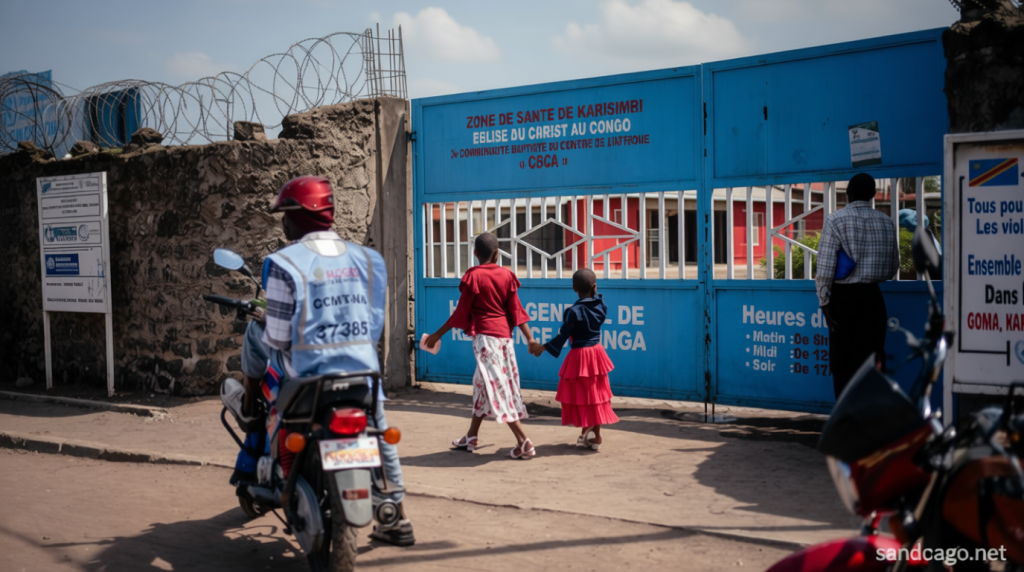
American Ebola Case in DRC Sparks US Travel Restrictions
American infected with Ebola in DRC – The American infected with Ebola in DRC has intensified global health alerts, prompting the US to impose travel limits from the virus-affected region. The World Health Organization (WHO) has declared the current outbreak a “public health emergency of international concern,” citing over 100 suspected deaths. This surge in cases has drawn attention to the Bundibugyo strain, a less common Ebola variant, as it spreads across DRC’s Ituri province and into Uganda’s capital. While the outbreak remains localized, WHO officials warn of its potential to escalate into a larger crisis due to the region’s challenges in containing the disease.
US Implements Title 42 to Control Spread
Following the confirmed case of the American infected with Ebola in DRC, the CDC activated Title 42 to restrict entry from the DRC and Uganda for at least 30 days. This measure aims to slow the transmission of the virus to the US, as the American patient’s infection highlights the risks of cross-border movement. The CDC emphasized that the immediate risk to the American public is low, but the decision underscores the need for heightened vigilance. The move also aligns with efforts to enhance screenings for travelers from the DRC, where the outbreak has already impacted hundreds.
The American case in DRC has been a catalyst for international response, with organizations like Doctors Without Borders reporting that the Bundibugyo strain’s fatality rate ranges from 25% to 40%. This strain, though less prevalent than Zaire, poses a unique challenge due to its virulence and the lack of targeted treatments. Meanwhile, the State Department issued updated travel advisories, advising caution for those visiting the DRC and Uganda amid the outbreak. These steps reflect a coordinated approach to mitigating the spread of the virus.
Humanitarian Crisis and Health Infrastructure Strain
The outbreak’s progression has been exacerbated by the DRC’s ongoing humanitarian crisis, which has limited access to essential surveillance systems. According to Oxfam, years of conflict have “slashed access to critical healthcare resources,” making early detection difficult. Displaced populations in the region have become vulnerable hotspots for transmission, as the virus spreads faster in areas with reduced medical capacity. The American infected with Ebola in DRC serves as a reminder of the interconnectedness of public health and crisis management in remote regions.
Relief efforts are now focusing on relocating high-risk individuals, including the American patient, to Germany for quarantine. The CDC’s initiative aims to prevent local transmission and ensure rigorous monitoring of those exposed to the virus. However, the effectiveness of such measures depends on a combination of strict protocols and the availability of medical support. The American case in DRC has also raised questions about the balance between containment and the rights of affected travelers.
Global Coordination and Public Health Strategies
As the epidemic evolves, the US is collaborating with international partners to strengthen response mechanisms. The CDC’s use of Title 42, originally enacted in 1944, mirrors its application during the pandemic, though this time it targets the DRC and Uganda. Public health experts stress that while travel restrictions can reduce exposure, they must complement proactive measures like vaccination campaigns and community outreach. The American infected with Ebola in DRC highlights the need for a multi-pronged strategy to address both the virus and its social impacts.
Experts like Dr. Jeanne Marrazzo argue that targeting individuals based on nationality risks unequal treatment. “The American infected with Ebola in DRC is just one case in a broader global health challenge,” she stated. “Policies should prioritize science over stigma.” This perspective is crucial as the outbreak continues to test the limits of international cooperation. The CDC’s measures also include expanded testing for travelers, ensuring that no cases slip through unnoticed in the region’s complex health landscape.
