
Edna Lewis built the future of American dining on Black country tradition
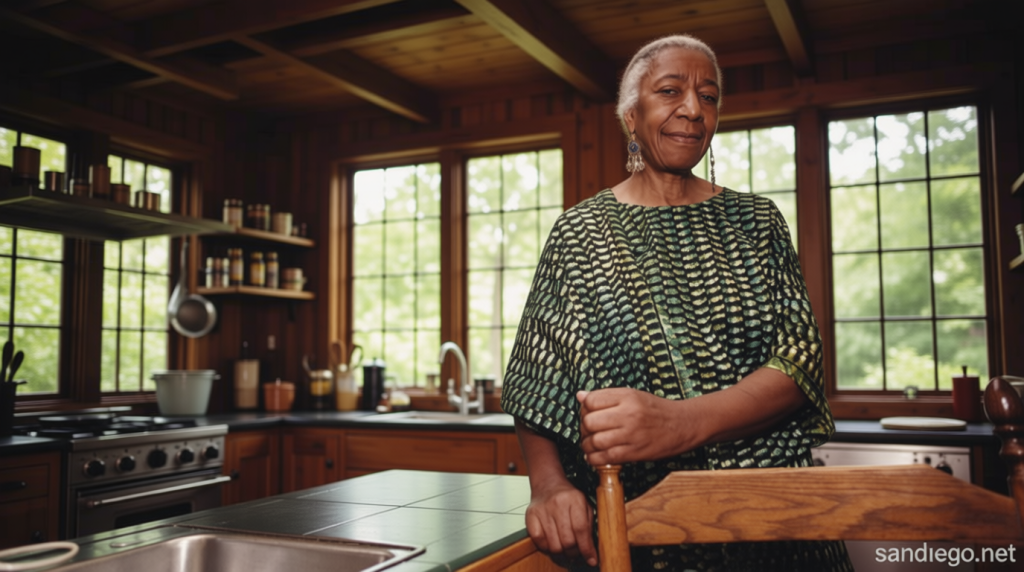
Edna Lewis Built the Future of American Dining on Black Country Tradition
Edna Lewis built the future of American – Edna Lewis’s The Taste of Country Cooking, first published in 1976, was more than a collection of recipes—it was a cultural shift. The book, which remains in print decades after its debut, broke from conventional culinary writing by framing food through the lens of time and place. Rather than starting with ingredients or methods, Lewis began her narrative with the essence of a season, weaving vivid imagery of Virginia’s spring into the reader’s imagination before diving into the specifics of cooking. This unique approach, rooted in the rhythms of the land, would later redefine how Americans perceive their own food traditions.
When the book was released, the South was still often viewed through a narrow lens, its cuisine labeled as overly rich and unrefined. Scott Peacock, a Southern chef and Lewis’s collaborator, described the era’s perception as a “heart attack on a plate,” a phrase that encapsulates the stereotype of Southern food as unhealthy. Yet, Lewis’s work defied these assumptions, offering a deeper understanding of the region’s culinary heritage. Her focus on seasonal cooking, tied to the cycles of Black farming communities, provided a framework that was both authentic and innovative, challenging the European-centric ideals that dominated American gastronomy at the time.
Rooted in Legacy and Land
Edna Lewis grew up in Freetown, a community in central Virginia that was founded by formerly enslaved people. For her, food was not just sustenance but a reflection of life’s natural progression—seasonal, communal, and deeply connected to the land. This perspective was revolutionary, as it positioned American cuisine as a counterpart to the refined European traditions that had long been celebrated in the nation’s culinary discourse. By emphasizing the terroir of Southern soil, Lewis introduced a concept that would later be embraced by chefs and food writers across the country.
Her writing was imbued with a sense of place, capturing the nuances of everyday life in a way that felt intimate and essential. For instance, she opened the book with a description of Virginia’s first warm spring morning, where the sight of chicks “chirping and pecking in the snowy slush” set the tone for the season’s bounty. These details, while seemingly simple, carried a profound message: food was not just a product of technique but a celebration of lived experience. This philosophy laid the groundwork for a movement that would prioritize authenticity over artifice in American dining.
Personal History as Culinary Heritage
While The Taste of Country Cooking is framed as a cookbook, it reads like a memoir, blending personal memory with culinary instruction. Lewis’s narrative style allows readers to glimpse her childhood, where food was inseparable from the stories of her family and community. She recounts the precise amount her enslaved grandmother was bought for, a detail that underscores the historical context of her culinary roots. These reflections are interwoven with descriptions of poetry readings and children’s plays, painting a picture of a vibrant, culturally rich environment that shaped her early understanding of food.
For Lewis, the act of cooking was deeply tied to the changing seasons. Summer brought thunderstorms and the indulgence of turtle soup, while late afternoons were reserved for the joy of making ice cream as a family. By the time Emancipation Day arrived, the community would gather to celebrate with a feast that symbolized freedom and resilience. December’s hog butchering, a practice often seen as laborious, was transformed in her writing into a celebration of communal effort and craftsmanship. The image of hogs hanging from scaffolds, which might evoke horror in other contexts, becomes a testament to the beauty of Black agricultural tradition in hers.
“She is certainly laying down the marker that says, ‘This is who we are,’ and ‘this is what our food is and has always been.’” — Toni Tipton-Martin, author and journalist who wrote the foreword for the 50th-anniversary edition
These intimate portrayals of daily life and seasonal changes were not just anecdotes—they were a call to recognize the depth of Southern culinary culture. Long before the term “farm-to-table” became a trend, Lewis was advocating for a connection between food and the land, emphasizing the value of local ingredients and traditional practices. Her approach to roasting coffee beans and foraging for morel mushrooms was ahead of its time, foreshadowing movements that would later gain global traction.
A Blueprint for Modern Gastronomy
By the 1970s, American cooking was increasingly industrialized, with products like pancake mix and canned soup dominating supermarket shelves. Yet, Lewis’s work offered an alternative vision—one that prioritized the cyclical nature of food production and the importance of community. Her influence can be seen in today’s emphasis on foraging, seasonal menus, and the revival of regional cooking. Chefs and home cooks alike now seek out locally grown produce and directly source from farmers’ markets, practices that Lewis championed decades earlier.
James Beard, hailed as the godfather of American gastronomy, recognized the significance of Lewis’s contribution early on. In a 1976 syndicated newspaper column, he praised her “rich descriptions of everyday communal living,” a phrase that highlighted her ability to capture the soul of Southern cooking. By using the language of French wines to describe American food, Beard elevated the cuisine to the same status as European traditions, helping to shift public perception. Lewis’s work was a catalyst for this change, proving that Southern food was as sophisticated as any other.
Scott Peacock, who met Lewis when he was a young chef, recalls her guidance as transformative. He once told her he was planning to study in Italy, following the path of “the cool kids.” Lewis, however, urged him to first understand his own cuisine. “That was a shocking thing to hear,” Peacock said. “I certainly didn’t think there was anything to study or to know or learn about the food I’d grown up on.” Her insistence on embracing local heritage was a revelation, challenging the notion that American cooking needed to be refined by foreign influences.
Today, the legacy of The Taste of Country Cooking endures. Its pages continue to inspire a generation of chefs and food enthusiasts, who recognize the book as a cornerstone of modern American gastronomy. Lewis’s emphasis on seasonal eating and community-based practices has become a guiding principle, shaping how food is sourced, prepared, and celebrated. Her work not only preserved Black culinary traditions but also positioned them as a vital part of the nation’s cultural identity.
As the 50th anniversary edition of Lewis’s cookbook celebrates its enduring impact, it serves as a reminder of the power of storytelling in shaping food culture. Her ability to blend personal history with culinary expertise created a narrative that resonated far beyond the kitchen. In an era when Southern food was often dismissed, Lewis’s work offered a counter-narrative, proving that the soul of American cuisine was rooted in the soil of its own traditions.
Through her writing, Lewis transformed the perception of Southern cooking from a stereotype into a symbol of resilience and refinement. Her insights into the interplay between food, community, and nature continue to influence the way Americans think about what they eat. Whether it’s the seasonal structure of her cookbook or the poetic descriptions of everyday life, Lewis’s contributions remain a testament to the richness of Black country cooking—and its rightful place in the story of American food.
