Japan Introduces Premium Train Experience Amid Rising Tourism Costs
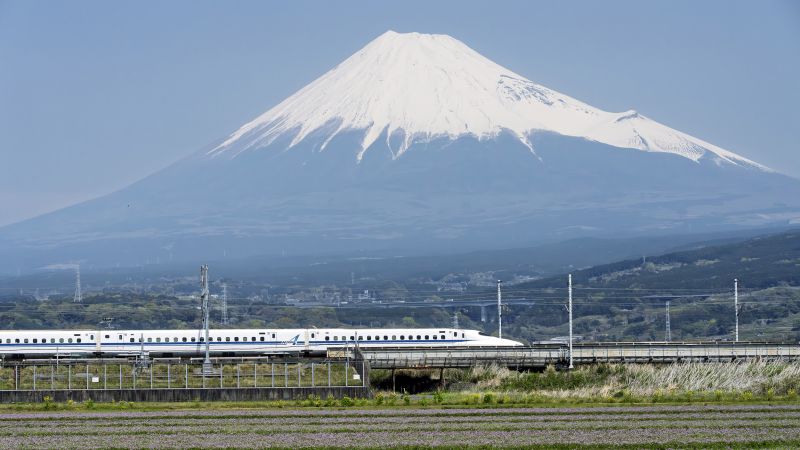
Sandego.net – Japan’s tourism sector continues to break records, with visitor numbers surging year after year since the pandemic reshaped global travel. As the demand for efficient and scenic transportation grows, the nation’s rail system has unveiled a high-end service for those seeking a more indulgent journey. Starting this October, passengers traveling between Tokyo and key cities like Kyoto and Osaka may opt for the “Supreme Class,” a new offering that transforms the traditional Shinkansen experience into a private retreat.
Private Cabins for a Touch of Luxury
These upgraded compartments feature lockable doors, ensuring a secluded environment for travelers. The most expansive options include small sofas, allowing for a mix of relaxation and productivity during long commutes. Additionally, customizable lighting and climate controls let passengers tailor their comfort to personal preferences. While the service is initially limited to select routes, it marks a shift toward premium travel within Japan’s rail network.
Higher Costs for Travelers
Amid these advancements, a controversial change looms over visitors. Japan’s “sayonara tax,” a fee added to airfare, will rise from ¥1,000 (approximately $6) to ¥3,000 ($18.50) on July 1. The government claims this increase funds infrastructure improvements, but critics argue it may deter tourists. The tax is applied automatically, without requiring in-person requests, and has sparked discussions about its effect on Japan’s appeal as a travel destination.
Global Travel Challenges in Sweltering Weather
As summer intensifies, record-breaking temperatures across Europe, Asia, and the United States are complicating travel plans. In regions like the Mediterranean and the Pacific Northwest, scorching heat has forced tourists to adapt. For instance, in Turkey, locals have developed a unique solution to the ice cream dilemma: dondurma, a stretchy, chewy dessert that resists melting. The treat, available in vibrant Mediterranean flavors like pistachio and sour cherry, has become a favorite among travelers looking for a cooling alternative.
Meanwhile, in Finland, a summer-themed contest offers a chance to win $23,000. The midnight sun treasure hunt, set to begin soon, challenges participants to discover hidden gems in the country’s natural landscapes. This initiative aligns with efforts to promote tourism during the long daylight hours that characterize Finnish summers.
Palau: A Remote Paradise with a Historic Legacy
Near the northern Pacific, Palau remains a secluded gem, welcoming only a few thousand visitors annually. Its most iconic attraction is the crater lake in the Rock Islands, home to a rare, non-toxic jellyfish species that has captivated global attention. These jellyfish, resembling the designs often found on Mac computer wallpapers, are a symbol of Palau’s unique natural beauty.
Palau’s history also intertwines with the Pacific Theater of World War II. The island of Peleliu, once held by Japanese forces, became a battleground during a multi-week U.S. invasion. This campaign, marked by intense sieges, resulted in thousands of casualties on both sides. Today, visitors can explore Peleliu’s preserved cave systems and examine military artifacts like tanks and cannons left behind by the war.
Travel Innovations and Seasonal Strategies
Travelers adapting to the heat have found practical solutions. For example, planning outdoor excursions early in the morning helps avoid the peak sun hours. Staying hydrated is also emphasized, with experts suggesting that consuming water-rich foods like melons and grapes can aid in maintaining energy levels. Ice cream, a staple of summer, faces challenges in melting quickly, but dondurma’s elasticity offers a novel alternative.
Japan’s latest train upgrade, Luna Azul, further enhances the travel experience. Named after the Spanish phrase for “blue moon,” this sleeper car service will debut next year along the Tohoku route, which connects Tokyo to northeastern prefectures such as Aomori and Akita. The lie-flat seats in Luna Azul are designed for long-distance comfort, promising a blend of convenience and style.
Back in South Korea, the annual Busan Sand Art Festival continues to draw crowds to Haeundae Beach. This year, the 20th edition of the event showcased intricate sculptures crafted by seasoned artists. One veteran sculptor, who guided CNN through the creative process, highlighted the challenges of working with sand. “It’s like painting with grains of time,” they remarked, noting the precision required to shape ephemeral masterpieces.
Amid these developments, a viral food trend has sparked global curiosity. The internet’s latest obsession, a purple-hued delicacy, has been dubbed the “new favorite food” by social media influencers. Spoiler alert: it’s not matcha. Instead, this vibrant treat has become a symbol of summer’s evolving culinary landscape, blending aesthetics with taste in unexpected ways.
Looking Ahead: Balancing Innovation and Tradition
As Japan modernizes its transport and tourism offerings, the industry faces the challenge of balancing luxury with accessibility. While the Supreme Class and Luna Azul cater to high-spending travelers, the increased sayonara tax may affect budget-conscious visitors. The government’s approach to funding infrastructure through these fees reflects broader efforts to sustain Japan’s position as a premier travel destination.
Travelers navigating extreme heat can also turn to advice from seasoned experts. Tips include packing light, staying in shaded areas, and using cooling accessories like portable fans. For those planning a summer getaway, timing is key. “Start early, stay hydrated, and embrace the local cuisine,” recommends a travel blogger, emphasizing the importance of adaptability. These strategies, combined with Japan’s latest innovations, may help smooth the path for a memorable journey.
Whether exploring Palau’s ancient battlefields, savoring dondurma, or riding the futuristic Luna Azul train, the world of travel remains as dynamic as ever. With new upgrades and challenges on the horizon, the next chapter of global tourism promises both comfort and adventure for those willing to embrace the changes.