
American Desserts: 15 Sweet Regional Treats to Try
American desserts – Across the nation, unique confections have emerged from local communities, offering visitors a chance to savor regional specialties. These desserts, often rooted in history and tradition, are more than just sweet indulgences—they’re cultural landmarks that tell stories of place and people. While some are widely recognized, others remain hidden gems, waiting to be discovered. Here’s a curated list of 15 standout creations, each with its own legacy and appeal.
The Contested Origins of Whoopie Pies
The origins of many beloved desserts are hotly debated, with the whoopie pie being a prime example of such disputes. Pennsylvania and Maine both claim ownership of the chocolate cake-like cookie sandwiches filled with cream. According to Pennsylvania, Amish bakers first crafted the treat, while Maine asserts that it was first sold at Labadie’s Bakery in Lewiston in the 1920s. This rivalry reached a new level when Maine officially designated the whoopie pie as its state “treat” in 2011—though it’s worth noting that the state dessert, blueberry pie, remains a separate contender.
“The origins of many beloved desserts are hotly debated, with the whoopie pie being a prime example of such disputes.”
The dispute highlights how regional pride can shape the narrative of a dish. Despite the legal battles, the whoopie pie has become a symbol of both states, blending tradition with creativity. Whether enjoyed in its classic form or with modern twists like lemon or butter pecan flavors, this dessert continues to capture the imagination of dessert lovers.
Lane Cake: A Southern Sweet with a Literary Legacy
Alabama’s state dessert, Lane cake, is a layered delicacy that stands out for its rich, buttery filling. The core of this cake is a raisin mixture enhanced with bourbon or brandy, sometimes mixed with pecans and coconut for added texture. Emma Rylander Lane of Clayton, Alabama, is credited with creating the recipe, which was first published in her 1898 cookbook, “Some Good Things to Eat.”
“The star of this layer cake is the filling – a buttery, bourbon- or brandy-spiked raisin mixture that sometimes includes pecans and coconut.”
Interestingly, Lane cake also appears in the pages of Harper Lee’s classic novel, “To Kill a Mockingbird,” lending it an air of Southern charm and nostalgia. The dessert’s popularity has only grown over time, with its distinct layers and flavors becoming a hallmark of Alabama’s culinary identity.
Marionberry Pie: A Pacific Northwest Delight
Named after Marion County, Oregon, marionberries are a cross between Chehalem and Olallie blackberries. These berries were introduced to the public in 1956, thanks to the Oregon Raspberry & Blackberry Commission. Their description as “a tart, earthy sweetness” perfectly captures the flavor profile that has made them a favorite in pies and fresh fruit dishes alike.
“The marionberry has ‘a tart, earthy sweetness,’ the commission says, ‘perfect for eating fresh.’”
As the peak season approaches in July, bakeries across Oregon and beyond gear up to showcase the berries in rich, buttery crusts. Lauretta Jean’s Pie Bakery in Portland is renowned for its expert use of marionberries, ensuring that their fleeting availability doesn’t go to waste. This dessert is a testament to how local ingredients can inspire regional specialties.
Key Lime Pie: A Florida Classic Under Scrutiny
While the iconic key lime pie has long been associated with Florida, recent years have seen its origins challenged. The pie is deeply tied to the Sunshine State, particularly the Florida Keys, where small, tart yellow limes once thrived. However, the use of imported limes or bottled juice in modern versions has sparked debates among traditionalists.
Despite the controversy, key lime pie remains Florida’s official state pie, a designation that underscores its cultural significance. The dessert’s signature graham cracker crust, filled with a tangy custard made from ample lime juice and sweetened condensed milk, is a staple of Southern cuisine. Yet, some argue that its status as a state pie could be overshadowed by the 2022 recognition of strawberry shortcake as Florida’s official state dessert.
Gooey Butter Cake: A St. Louis Mystery
St. Louis gooey butter cake is the result of a serendipitous moment in the 1930s. Though not the city’s state dessert—honor goes to the ice cream cone, a legacy from the 1904 World’s Fair—the cake has become a beloved local favorite. Its dense, flat structure with a gooey center has been adapted over time, including variations with lemon or butter pecan flavors.
Traditionally, this cake is served with a light dusting of powdered sugar, but its charm lies in the balance of textures and flavors. Whether enjoyed as a holiday brunch or a casual treat, it’s a symbol of St. Louis’s culinary creativity. The dessert’s enduring popularity speaks to its ability to evoke both nostalgia and innovation.
Shave Ice: A Tropical Treat with Japanese Roots
Shave ice, a refreshing dessert that has become synonymous with Hawaii, traces its origins to Japanese sugar plantation workers. Kakigori, the Japanese equivalent, has been a cherished delicacy for centuries. When brought to the islands, it evolved into the version now known as shave ice, with soft, flaky ice shaved from a solid block and soaked in sweet syrups.
Matsumoto Shave Ice, a landmark establishment on Oahu’s North Shore since 1951, has been serving this treat to generations. The flavors range from tropical options like liliko’i (passion fruit) and pickled mango to more classic choices such as grape and bubblegum. Condensed milk, vanilla ice cream, and azuki beans are also popular add-ons, adding layers of complexity to the simple concept.
Regional Recipes: More Than Just Sweet Treats
From the Amish communities of Pennsylvania to the coastal towns of the Florida Keys, these desserts reflect the diversity of American flavors. Biscochitos, for instance, are spiced almond cookies originating from New Mexico, while buckeyes, a chocolate peanut butter ball, is a staple in Ohio. Each region’s contributions highlight how local resources and traditions shape unique culinary expressions.
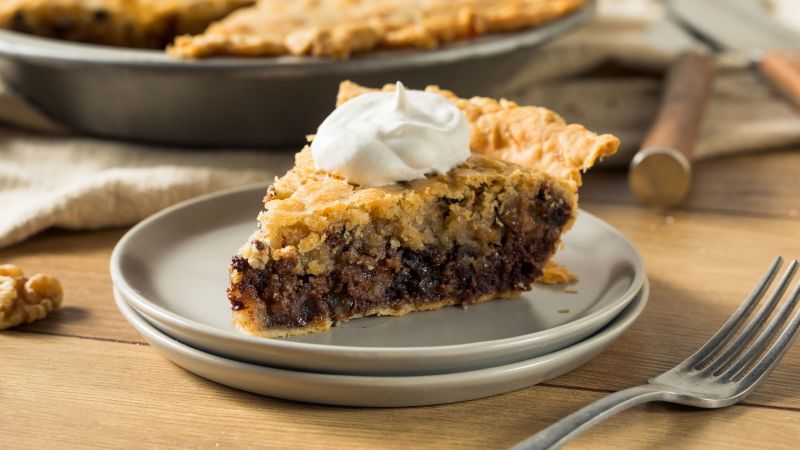
Legal battles have also emerged around certain desserts, such as Kentucky’s chocolate walnut pie. Kern’s Kitchen in Louisville claims exclusive rights to the “Derby-Pie®” name, having created the recipe in the 1950s. The bakery has even taken legal action to protect its trademark, though the Louisville Courier-Journal managed to prevail in a 2021 dispute over its use in recipes and articles.
These stories underscore the passion and dedication that often go into crafting regional desserts. Whether it’s a contest over who invented a pie or a debate about its rightful home, the journey of these sweets is as flavorful as the desserts themselves. For those seeking to explore America’s culinary heritage, these treats offer a deliciously tangible connection to the past.