US Strikes Iran and Reimposes Oil Sanctions as Ceasefire Faces Crucial Test
Sandego.net – On Tuesday, the United States carried out airstrikes against Iranian military targets and restored sanctions on the country’s oil exports, signaling a sharp escalation in tensions following recent attacks on commercial vessels near the Strait of Hormuz. The move comes amid growing concerns that the fragile ceasefire agreement between the U.S. and Iran is under threat, with the U.S. accusing Tehran of violating international norms by targeting civilian maritime traffic. The Department of the Treasury confirmed the reinstatement of sanctions, revoking a 60-day temporary relief that had allowed Iran to sell oil without penalty. This decision has sent shockwaves through global markets and intensified scrutiny of Iran’s compliance with the terms of the agreement.
Retaliatory Strikes and Ceasefire Violations
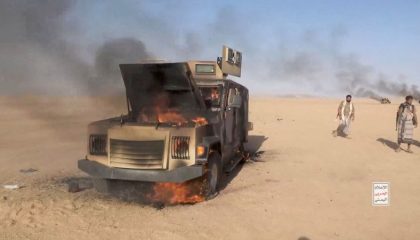
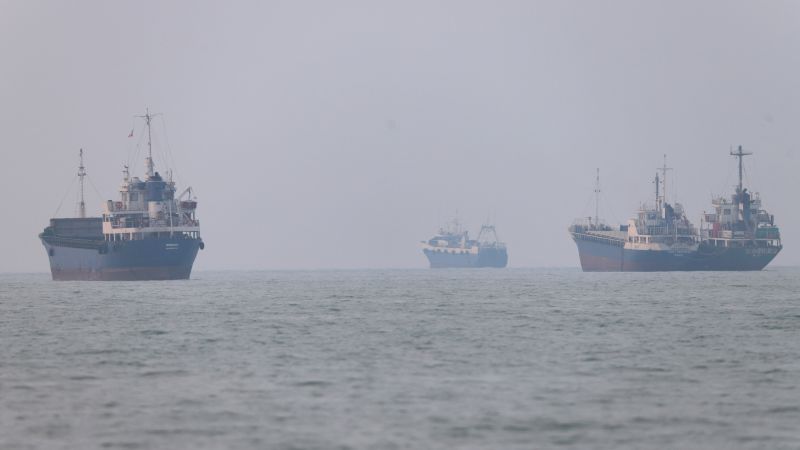
According to a statement from U.S. Central Command posted on X, military forces began launching a series of strikes to “impose heavy costs” on Iran for its attacks on commercial ships in the Strait of Hormuz. The command emphasized that the strikes were a direct response to Iran’s targeting of three vessels, which were “crewed by innocent civilians” in an international waterway. “Iran’s demonstrated aggression was unwarranted, dangerous, and a clear violation of the ceasefire,” the statement added, framing the attacks as a breach of trust. The incident occurred days after the U.S. reimposed sanctions, marking a pivotal moment in the ongoing diplomatic standoff.
“The U.S. strikes are in response to Iranian attacks on three commercial vessels that were transiting the Strait of Hormuz,” the statement said. “Iran’s actions in the strait were wholly unacceptable to the United States and will be met with consequences.”
The airstrikes and sanctions follow a series of confrontations in the region, where Iran has been accused of disrupting shipping lanes and endangering global oil supply routes. The U.S. has argued that Iran’s attacks on vessels in the strait, which is a critical artery for oil transportation, violated the ceasefire agreement and posed a risk to international trade. Meanwhile, Iran has maintained that its actions were justified, citing the need to protect its interests in the waterway.
Economic Measures and Strategic Shifts
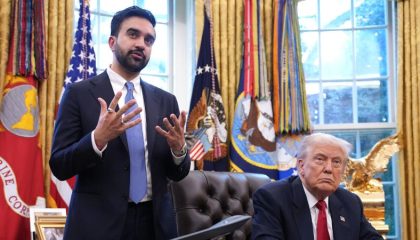
The reinstatement of sanctions on Iranian oil sales represents a significant shift in U.S. economic policy. For 60 days, the Treasury had lifted penalties on oil transactions, enabling Iran to freely sell its stored reserves. This measure was part of the broader ceasefire deal, which Treasury Secretary Scott Bessent described as a “show of confidence” in the two nations’ “productive talks.” The agreement had previously eased restrictions, allowing for increased maritime traffic through the strait and contributing to a decline in global oil prices.
However, the U.S. has not yet specified the duration of the new sanctions or the conditions for their removal. A notice published Tuesday stated that the earlier temporary relief had been “revoked and superseded in its entirety,” leaving buyers of Iranian oil with a July 17 deadline to complete ongoing transactions. This abrupt reversal has raised questions about the administration’s commitment to the ceasefire and its approach to diplomatic negotiations. “Iran will only reap benefits if they exhibit good behavior,” a U.S. official said, underscoring the stakes of the situation.
“Iran’s actions in the Strait were wholly unacceptable to the United States and will be met with consequences,” a U.S. official said in a statement.
The economic move has already begun to affect global markets. Brent crude prices rose 3% in response to the news, reaching $76 per barrel, though they remain near pre-war levels. U.S. oil prices surged nearly 6%, surpassing $70 for the first time since June 30. These fluctuations highlight the sensitivity of the situation, as Iran’s ability to sell oil is central to its economy. The U.S. Energy Information Administration notes that oil revenue accounts for roughly 50% of Iran’s total income, making the sanctions a powerful tool in diplomatic leverage.
Iranian Claims and Regional Reactions
Iran’s Foreign Ministry spokesperson, Esmaeil Baghaei, defended the country’s actions, stating that Iran had “fulfilled its commitments” under the memorandum of understanding with the U.S. He urged regional countries and shipping companies to avoid “contradicting” the agreement, which Iran claims ensures safe passage for its vessels. “Commercial vessels face risks if they use routes not coordinated with Iran or tamper with the ship’s tracking equipment,” Baghaei asserted, according to Reuters.
In a separate interview with Iranian state television, Mohsen Rezaei, a senior adviser to the Supreme Leader, criticized the U.S. for its approach to negotiations. “It is quite clear that the U.S. will lead the negotiations to failure,” Rezaei said, suggesting that Washington’s threats are meant to undermine Iran’s position. The Iranian leadership has consistently argued that the U.S. has not honored its promises, including the immediate demilitarization of the strait and broader commitments to its nuclear program.
“It is quite clear that the U.S. will lead the negotiations to failure,” said Mohsen Rezaei, an adviser to Iran’s supreme leader, in an interview with Iranian state TV.
The previous agreement, which allowed for increased oil traffic through the strait, had been a key concession from the U.S. to Iran. By reimposing sanctions, Washington has effectively nullified this agreement, signaling a renewed hardline stance. The decision has also raised concerns about the potential for further military action. Analysts warn that the U.S. may soon consider imposing a blockade in the strait, which could escalate the conflict significantly.
Global Implications and Future Outlook
With the sanctions back in place, the U.S. faces the challenge of enforcing restrictions on Iranian oil exports while balancing its broader strategic goals. The administration has not yet outlined a clear plan for monitoring compliance, leaving uncertainty about how it will respond to continued Iranian activity. A U.S. blockade of the strait, if implemented, could cut off Iran’s access to global markets and force the regime into a more precarious economic position.
Meanwhile, the situation has drawn attention from international stakeholders. Countries reliant on oil imports from the Middle East are now assessing the risks of renewed tensions. The U.S. has long maintained that Iran has no right to restrict maritime movement through the strait, a principle that has been central to the ceasefire agreement. The current crisis may force a reevaluation of that stance, with potential consequences for the region’s stability and energy security.
As the standoff continues, the U.S. and Iran remain locked in a cycle of retaliation and defiance. The strikes and sanctions reflect a growing impatience with Iran’s behavior, but they also highlight the complex interplay of military and economic pressures. With global oil prices fluctuating and the ceasefire at a critical juncture, the world watches closely to see whether the U.S. can enforce its demands without triggering a larger conflict.
Historical Context and Policy Reversal
The reinstatement of sanctions marks a return to a policy that has dominated U.S.-Iran relations for decades. For years, sanctions have been a cornerstone of American strategy to pressure Iran economically, with the current measures effectively undoing a major concession from the previous administration. The April blockade, which had already disrupted Iranian oil exports, serves as a reminder of the U.S.’s readiness to use military force if diplomatic