Trump’s Name Removed from Kennedy Center Website Branding
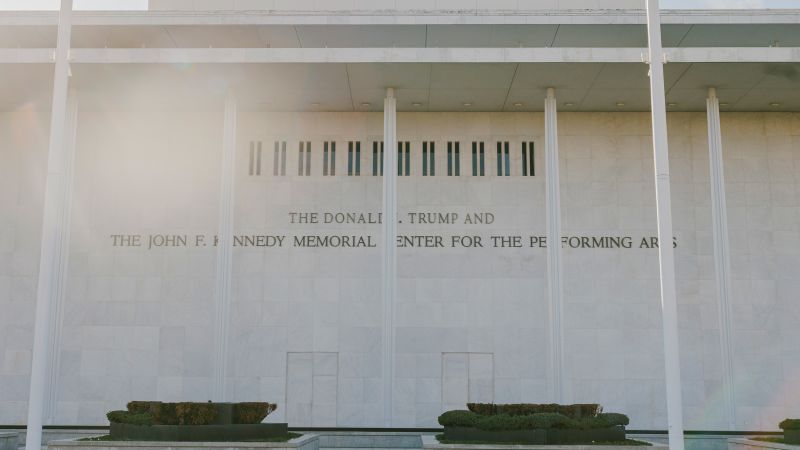
Sandego.net – The Kennedy Center has taken steps to update its branding following a court decision that required the removal of President Donald Trump’s name from the institution’s official designation. The change, which took effect after a federal judge mandated the alteration, now appears on the center’s website logo. While the large signage on the building’s exterior still displays “Donald J. Trump,” the organization has committed to fully eliminating his name from all public-facing materials by June 12, 2026. This decision marks a pivotal moment in the center’s identity, reflecting a shift in how it is publicly recognized.
Court Order and Immediate Changes
The ruling, obtained by CNN, compelled the Kennedy Center to revise its branding to align with legal standards. In a memo distributed to staff, the institution’s general counsel outlined the necessary updates, emphasizing the urgency of the task. The document stated that employees must promptly revise their email signatures, letterhead, and marketing materials to remove references to Trump. Additionally, templates, forms, signage, brochures, and website pages were to be adjusted by Friday, June 12, 2026, to ensure compliance with the court’s directive.
Although the name change on the website is now complete, the physical presence of Trump’s name on the building’s facade remains unchanged for now. The general counsel’s memo, which was shared with the public last week, detailed the timeline for full removal, including the requirement to replace all instances of “Trump” with “John F. Kennedy Center for the Performing Arts” or simply “Kennedy Center.” The memo also highlighted the importance of maintaining consistency across all branding efforts to avoid confusion or continued association with the former president.
Trump’s Reaction and Future Plans
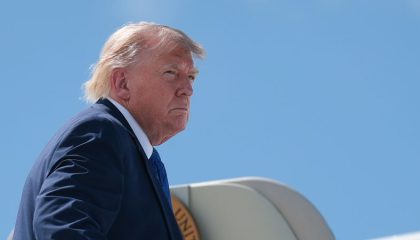
President Donald Trump, who had been a vocal advocate for keeping his name connected to the Kennedy Center, expressed frustration with the court’s decision. Shortly after the ruling was announced, he shared his dismay on Truth Social, stating his intention to transfer full control of the performing arts center to Congress. However, Trump has since tempered his remarks, indicating that he would proceed with plans to renovate the facility. “I’m the chairman, so we’ll just keep it going. Somebody has to do it,” he told reporters during a trip on Air Force One. “Everybody, they want me to stay very badly, so we’re going to take a look at it.”
The political implications of the court order have sparked discussions about the role of public institutions in partisan branding. The Kennedy Center, which has long been a symbol of cultural excellence, now faces the challenge of distancing itself from Trump’s legacy. This move comes after the organization’s loyalist board approved the name change in December, a decision that was met with mixed reactions from the public and media. While some supported the removal of his name as a gesture of independence, others argued that the change was a symbolic victory for the judiciary over executive influence.
Upcoming Mark Twain Prize Ceremony
Despite the name change, the Kennedy Center continues its commitment to honoring notable figures in the arts. This month, the center will present the Mark Twain Prize for American Humor to comedian Bill Maher, marking a significant event in its calendar. The ceremony, described as a “gala performance featuring some of the biggest names in comedy,” is expected to draw widespread attention. According to an email shared with the public, the event will showcase a lineup of renowned performers, including Louis C.K., Whitney Cummings, Woody Harrelson, Arianna Huffington, Jay Leno, John Mellencamp, and Stephen A. Smith. The ticket pricing for the event, which reflects the event’s prestige, starts at $99 for performance-only access, with more expansive packages available for $750 and $1,500.
The Mark Twain Prize, established in 1998, is one of the most prestigious awards in the entertainment industry, recognizing individuals who have made lasting contributions to humor in American culture. Maher, known for his sharp wit and satirical commentary, has become a central figure in the comedy world, and his selection for the honor underscores the Kennedy Center’s ongoing dedication to celebrating excellence in the arts. The event will not only highlight Maher’s career but also feature a diverse array of talents, offering attendees a unique opportunity to witness a night of comedic performances.
While the name change from the Kennedy Center’s website branding has been finalized, the broader debate over the institution’s ties to Trump remains active. The court’s decision has prompted questions about the balance between political influence and institutional autonomy. Critics argue that the removal of Trump’s name from the Kennedy Center’s branding represents a necessary step toward maintaining the center’s neutrality, while supporters believe it is a bold move to reclaim its cultural identity. The general counsel’s memo serves as a clear directive, ensuring that the center adheres to the legal requirements set by the ruling.
As the Kennedy Center navigates this transition, the focus has shifted to its future initiatives. The upcoming Mark Twain Prize ceremony will serve as a testament to the center’s ability to adapt and thrive while continuing its mission of promoting the performing arts. The event’s lineup, which includes a mix of established and emerging comedic talents, highlights the diversity of voices that the center aims to support. The ticket prices, while steep, reflect the event’s significance and the popularity of its lineup, with packages offering additional perks such as VIP access or exclusive content.
Ultimately, the removal of Trump’s name from the Kennedy Center’s branding signals a new chapter for the institution. While the physical signage on the building remains a point of contention, the organization has demonstrated its resolve to move forward. The memo from the general counsel, obtained by CNN, underscores the meticulous effort required to revise branding across all platforms, ensuring that the Kennedy Center’s identity is firmly rooted in its original purpose. As the deadline for full implementation approaches, the center will be closely watched for its ability to successfully rebrand without compromising its legacy or cultural relevance.
Broader Implications and Public Perception
The court’s intervention in the Kennedy Center’s branding has drawn attention to the intersection of politics and culture in public institutions. By removing Trump’s name, the center has taken a stance that aligns with legal requirements and public sentiment, particularly in the wake of the presidential election. The decision reflects a broader trend of organizations distancing themselves from political figures, especially in the context of legal challenges or public backlash.
Public reaction to the name change has been largely positive, with many viewing it as a step toward depoliticizing the Kennedy Center. However, some critics argue that the change is more symbolic than substantive, given the continued presence of Trump’s name on the building’s exterior. The general counsel’s memo, which details the scope of the revision, has been praised for its clarity and thoroughness, but it also highlights the logistical challenges involved in updating branding across multiple platforms.
As the Kennedy Center prepares for the Mark Twain Prize ceremony, the event will provide a platform to showcase its ability to maintain cultural integrity while adapting to new circumstances. The inclusion of Bill Maher and other notable comedians signals a celebration of humor as a unifying force, even as the center redefines its public image. The ceremony will also serve as a reminder of the Kennedy Center’s role as a cultural hub, independent of political affiliations.
Looking ahead, the center’s plans to renovate its facilities will be a key focus. Trump’s commitment to the project, despite the name change, indicates that the political influence remains, albeit in a more subdued form. The renovation efforts are expected to enhance the center’s infrastructure, ensuring it continues to meet the needs of performers and audiences alike. The ongoing process of rebranding will likely be accompanied by efforts to streamline operations and improve accessibility, reinforcing the Kennedy Center’s status as a leading institution in the performing arts.
With the court order now in effect, the Kennedy Center’s journey toward a renewed identity has gained momentum. The removal of Trump’s name from its branding is not just a legal requirement but also a reflection of the evolving relationship between politics and culture in the United States. As the center moves forward, it will need to navigate the complexities of its new designation while upholding its mission to support the arts. The Mark Twain Prize ceremony will be a critical test of this transition, offering a glimpse into the future of the Kennedy Center’s public presence.