Federal Judge Temporarily Blocks Federal Pressure on Election Administrators
Sandego.net – A federal judge has issued an emergency order that temporarily prevents the Justice Department and the Department of Homeland Security from using a range of tactics aimed at election officials nationwide as the 2026 midterm election approaches.
US District Judge Trina Thompson granted a temporary restraining order Friday evening after finding that the administration’s recent actions could disrupt lawful election operations and put eligible voters at risk of losing access to the ballot. The order applies across all states while it remains in effect.
“Although Defendants claim that their actions are designed to halt unlawful voting by noncitizens, their actions are likely to have the effect of interfering with election administration and disenfranchising lawful voters,” Thompson wrote.
The ruling restricts federal agencies from demanding that state or local election authorities separate certain ballots, remove voters from registration rolls, or stop processing ballots. It also bars the agencies from threatening election administrators with criminal prosecution over how they carry out their duties under election law.
What the emergency order restricts
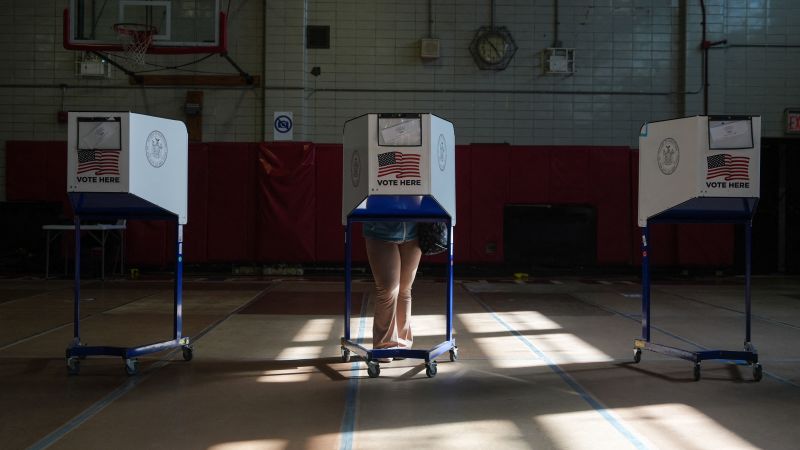
Thompson’s order targets actions that could alter or interrupt the routine handling of ballots. Election workers typically distribute, process and count ballots under procedures set by state and local law. The judge concluded that federal demands tied to allegations of voter ineligibility could improperly pressure those officials to change those procedures.
Under the restraining order, the Justice Department and Homeland Security Department may not take steps that threaten, intimidate or coerce election officials into modifying ballot-processing practices based on claims that particular voters are not eligible to vote.
The court also rejected the administration’s position that election workers could face criminal exposure for administering ballots involving voters whom federal officials have identified as potentially ineligible. Thompson said public employees who handle ballots or administer the 2026 midterm election in compliance with the law are not committing a federal crime simply because one ballot is connected to a registered voter challenged by the administration.
“When state and local government employees perform the work of distributing, processing, or counting ballots or otherwise administering the 2026 midterm election” in accordance with the law, “they do not violate federal criminal law even if a particular ballot belongs to a registered voter alleged by Defendants to be ineligible to vote,” she wrote.
Why the decision matters for election operations
The order addresses the practical tension between federal investigations and the day-to-day work of election administration. State and local officials are responsible for maintaining voter rolls, preparing ballots, receiving votes and completing the counting process. A demand to isolate ballots or halt processing can affect not only the officials receiving the demand, but also voters awaiting confirmation that their ballots have been handled.
Thompson’s ruling does not decide the broader legal dispute on a permanent basis. A temporary restraining order is an emergency measure intended to preserve conditions while the court considers the case further. Still, the decision provides immediate protection against the listed federal actions during a critical stage of election preparation and administration.
The judge set the order to expire on November 16. Until then, the agencies covered by the ruling are prohibited from pursuing the specified demands and threats against election officials.
Disclosure requirement for election-material requests
In addition to limiting direct pressure on election administrators, Thompson imposed a reporting requirement on the administration. Federal officials must notify the court about search-warrant applications, grand jury subpoenas or other requests seeking election materials or ballots when those requests relate to lists created by the administration alleging that certain individuals are ineligible to vote.
That requirement gives the court visibility into actions that could affect ballots or other election records. It also distinguishes between ordinary administration of elections by state and local officials and federal efforts to obtain or review election-related materials connected to eligibility claims.
The ruling follows months of statements by the administration asserting that election officials could be prosecuted if they did not do enough to prevent illegal voting. Thompson’s opinion sharply challenged that approach, emphasizing that lawful election administration does not become criminal conduct merely because federal officials dispute the eligibility of a voter whose ballot is involved.
Next steps
The temporary order leaves room for additional court proceedings before its November 16 expiration. For now, election officials may continue processing and administering ballots under applicable law without being required by the covered federal agencies to segregate ballots, purge voter rolls or suspend ballot handling on the basis of the challenged eligibility claims.
The Justice Department was contacted for comment following the ruling. The case remains significant because it centers on the limits of federal pressure during election administration and the protection of lawful voters from disruption or disenfranchisement.
Related Reading
Frequently Asked Questions
What is Judge imposes sweeping emergency order halting?
Judge imposes sweeping emergency order halting is the main topic of this guide. The article explains the context, practical details, and next steps readers should understand.
Why does Judge imposes sweeping emergency order halting matter?
Judge imposes sweeping emergency order halting matters because readers are looking for a useful answer, not just a short summary. Good content should match search intent and help them decide what to do next.