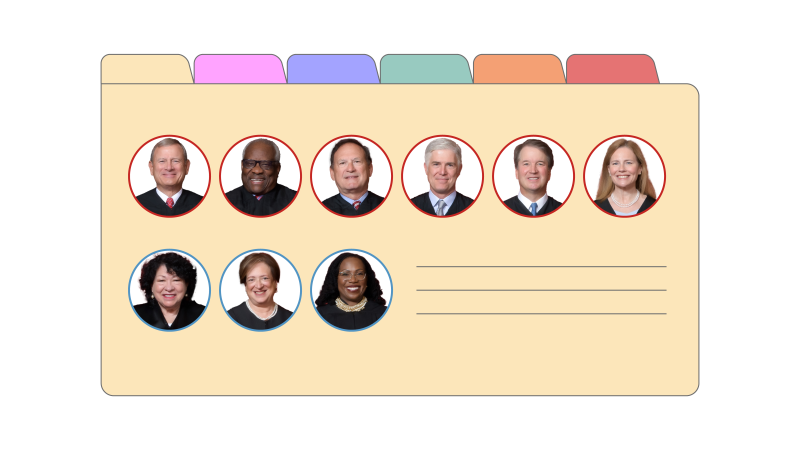
Tracking the Major Supreme Court Cases of 2026
Sandego.net – As the Supreme Court nears the closing stages of its 2026 term, it continues to issue rulings on critical issues, including the extent of former President Donald Trump’s executive authority, protections for voting rights, and the rights of transgender athletes. This term has been marked by high-stakes decisions that could redefine constitutional boundaries and influence policy across multiple domains. CNN is monitoring the pivotal Supreme Court cases of the 2025-2026 term, with decisions expected to shape legal landscapes and influence millions of citizens. Updates will be provided as rulings are finalized.
A Historic Term of Legal Challenges
The justices have been embroiled in a series of contentious cases that reflect the evolving priorities of the court. One of the most significant rulings came earlier this year, when the court weakened the Voting Rights Act—a landmark piece of legislation designed to combat racial discrimination in voting. This decision, issued in March, sparked immediate debate over its potential impact on minority access to the ballot box. The ruling also highlighted the court’s role in shaping federal laws, even as it faces pressure from political forces to maintain its conservative majority.
Another major case centered on the executive power of the presidency. The court halted Trump’s emergency tariffs, which had imposed steep costs on imports and stirred controversy among business leaders and labor unions. The justices operated under tight deadlines, as the tariffs were set to take effect during a critical economic period. The decision underscored the tension between regulatory authority and the need for swift action, with implications for trade policies and the balance of power between the branches of government.
Gender Identity in the Spotlight
Two of the most anticipated cases this term have focused on the rights of LGBTQ individuals, with the court addressing issues of gender identity and sexual orientation. In March, the justices ruled in favor of a Colorado counselor who challenged the state’s ban on conversion therapy—a practice aimed at altering the sexual orientation or gender identity of minors. This ruling was the first of two major decisions in the LGBTQ rights arena, signaling a shift in the court’s approach to gender-related policies.
The second case, which is still pending, examines whether state laws restricting transgender students’ participation in girls’ sports teams are constitutionally valid. Advocates argue that such bans infringe on the rights of transgender youth to compete in spaces aligned with their gender identity, while opponents emphasize the importance of maintaining fair competition in athletics. The court’s decision in this case could have profound consequences for educational institutions and the broader discourse on civil rights.
Implications for the Nation’s Future
These rulings reflect the Supreme Court’s growing influence over social and political issues, often acting as a final arbiter in divisive debates. The weakening of the Voting Rights Act, for instance, has raised concerns about the erosion of protections for marginalized communities, particularly in states with historically discriminatory practices. Legal experts warn that this could lead to a wave of new voting restrictions, affecting everything from voter registration to ballot access in future elections.
Meanwhile, the tariffs case has reignited discussions about the federal government’s ability to impose emergency measures without congressional approval. Critics argue that the court’s intervention may undermine the president’s authority to respond quickly to economic crises, while supporters see it as a necessary check on executive overreach. The ruling also serves as a reminder of the court’s power to alter the course of national policy with a single decision.
A Year of Defining Moments
As the term progresses, the court has been at the center of national conversations, with each ruling carrying weighty implications. The conversion therapy case, for example, has drawn attention to the intersection of medical ethics and civil rights, with advocates highlighting the psychological harm of the practice. The decision to side with the counselor in Colorado has been interpreted as a victory for individual freedoms, though it has also faced criticism for not addressing the broader impact of such laws.
Similarly, the transgender athletes case has become a flashpoint in the debate over gender identity in public education. The court’s potential ruling on this issue could determine whether schools must allow transgender students to compete in sports teams consistent with their gender, a question that has divided lawmakers, educators, and parents. The term’s focus on these issues underscores the court’s role in shaping the cultural and legal norms of the nation.
Looking Ahead to the Summer Recess
Traditionally, the Supreme Court releases its most significant decisions in June before adjourning for the summer, but this year’s term has already produced landmark rulings earlier than expected. The court’s agenda remains packed, with multiple cases pending that could further reshape the legal framework governing American life. For instance, upcoming decisions on environmental regulations and healthcare policy may address longstanding disputes between the federal government and state authorities.
As the justices prepare to issue their final opinions of the term, the focus will likely shift to the broader societal impact of their rulings. The Voting Rights Act case, for example, has already sparked legislative efforts to restore its protections, while the transgender athletes decision may influence state laws nationwide. These cases exemplify the Supreme Court’s power to influence not only legal outcomes but also the political and social fabric of the country.
This story has been updated to include new developments in the ongoing cases.
Throughout the 2025-2026 term, the Supreme Court has demonstrated its capacity to tackle complex legal questions with far-reaching consequences. From debates over voting rights to challenges on gender identity, the justices have navigated a landscape defined by urgency and ideological divide. Their decisions will be closely watched by policymakers, activists, and citizens alike, as they continue to shape the trajectory of American law and governance. With the summer recess approaching, the court’s final rulings may leave a lasting mark on the nation’s future.
Each case underscores the dynamic nature of the Supreme Court’s role, balancing the need for timely decisions with the weight of precedent. The