Italian Beach Implements Umbrella Ban for Adults, Sparking Debate
Sandego.net – In a surprising policy shift, the municipality of Villasimius in southern Sardinia has enacted a new rule restricting umbrella use on Punta Molentis Beach. The regulation, which targets individuals aged 10 to 65, aims to streamline emergency response by reducing potential obstacles during evacuations. While sun protection remains a critical concern globally, this decision creates a unique situation where shade is limited for the majority of visitors. Only families with children under ten and those aged 65 or older can bring umbrellas, according to local officials. This limitation applies to all other shade structures, including gazebos and tents, which are now off-limits to the general public.
The fee for accessing the beach has also been adjusted, with visitors charged €10 ($11.50) from June 5 to late October. Disabled individuals and their companions are exempt from this cost, highlighting the municipality’s effort to accommodate specific needs. The ordinance explicitly states, “It is prohibited to install umbrellas, gazebos, tents, or other shade systems,” while allowing one large umbrella exclusively for families with young children and senior citizens. This rule is part of a broader initiative to manage overcrowding and enhance safety protocols, officials say.
Aesthetic and Practical Challenges of Beach Culture
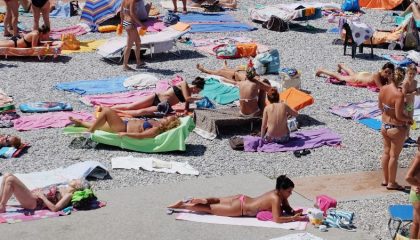
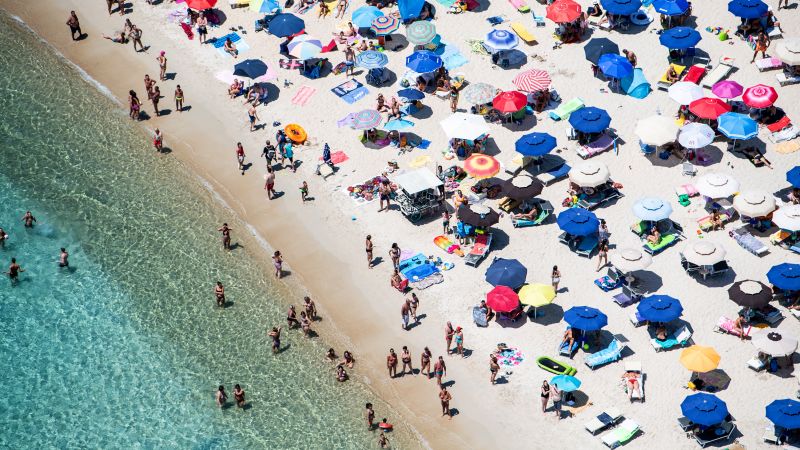
Italian coastal towns are renowned for their meticulously organized beach clubs, where matching umbrellas are arranged in orderly rows. These establishments, often private, charge hefty fees for seating and shade—ranging from €100 to €500 ($115 to $575) per day. Seasonal reservations can cost thousands, creating a sense of exclusivity that many locals take for granted. However, the new regulation disrupts this tradition, forcing visitors to adapt to a less structured environment. The municipality emphasizes that overcrowding and the proliferation of personal shade equipment have complicated emergency scenarios, such as the fire that displaced dozens of beachgoers last year.
During that incident, officials noted that the sheer number of umbrellas and tents blocked pathways, making evacuation by land difficult. “The fire last summer exposed how quickly a small issue can escalate into a crisis,” explained a spokesperson for Villasimius. “With umbrellas crisscrossing the sand and tents occupying space, rescuers had to navigate through a maze of shade structures, delaying response times.” The rule also addresses the problem of paid beach establishments, which are prohibited from setting up in certain zones. This restriction prevents the overuse of shade equipment, ensuring clear access to the shoreline and unobstructed views of the sea.
Reactions from the Public and Critics
Residents and tourists have voiced strong opposition to the policy, with some humorously questioning the logic behind the age-based restriction. “Why must you be a parent or over 65 to enjoy shade?” one commenter quipped on the municipality’s website. Others expressed cynicism, suggesting the measure was a convenient solution for officials. “A beautiful day at the beach and 20 hours in the emergency room? That’s a fair trade,” remarked a user, echoing the frustration of many who feel the rule is overly rigid.
Despite the backlash, the municipality maintains that the ban is necessary to prevent similar emergencies. “We’ve seen how quickly a fire can spread when people are too close together under umbrellas,” the spokesperson reiterated. “By limiting shade structures, we ensure a faster and more efficient evacuation process.” This reasoning has been met with mixed reactions, as some argue that the policy prioritizes safety over comfort. Others, however, see it as a necessary compromise to protect both visitors and infrastructure.
A Historical Context of Beach Regulations
Italy’s approach to beach management is not new. In recent years, Sardinian beaches have imposed strict rules, such as prohibiting the removal of sand from the shoreline. Violators can face fines up to $3,500, further illustrating the region’s focus on preserving public spaces. In some coastal areas, visitors are required to use straw mats instead of towels to avoid snagging sand particles. These measures, while controversial, reflect a broader trend of regulating access to beaches, which are often treated as communal resources.
Time limits have also been introduced to manage crowds. For instance, some beaches restrict visitors to 90 minutes, with those arriving by boat needing to secure spots in advance. This system has led to complaints about limited availability and the pressure to arrive early. The new umbrella ban adds another layer to this structure, creating a complex web of rules that challenge traditional beach experiences. Critics argue that the policy could deter tourists, especially during peak summer months when shade is most needed.
Impact on Visitor Experience and Economic Factors
While the rule is designed to improve safety, it also raises questions about its effect on tourism. Many visitors rely on umbrellas for protection from the intense Sardinian sun, and the ban may force them to use alternative methods such as hats, clothing, or shared shade. The municipality, however, insists that the measure is a trade-off between convenience and preparedness. “We’re not trying to eliminate shade entirely,” the spokesperson clarified. “We’re just ensuring that it’s available for those who need it most during emergencies.”
Another point of contention is the financial aspect. The €10 fee for entry, combined with the restricted umbrella access, could influence how visitors spend their time on the beach. Some speculate that the policy encourages more people to use the paid beach clubs, which are now allowed in designated areas. This arrangement might help alleviate overcrowding on public sand while generating revenue for local authorities. Yet, it also reinforces the divide between those who can afford premium access and those who must rely on basic amenities.
Broader Implications for Public Spaces
The umbrella ban reflects a growing trend of regulating public spaces to address both environmental and safety concerns. In Rome, authorities have already taken action against beach clubs that do not meet certain standards, leading to closures in Ostia. This underscores the tension between private enterprises and public resources, as cities seek to balance profitability with accessibility. Sardinia’s decision could set a precedent for other regions facing similar challenges, particularly those with high tourist traffic.
As the summer season approaches, the effectiveness of the policy will be closely watched. Officials hope that by limiting shade structures, they can create a safer environment while maintaining the aesthetic appeal of the beach. However, the success of the measure will depend on how well it balances practicality with the recreational needs of visitors. For now, the rule remains a topic of discussion, with beachgoers debating whether it’s a necessary sacrifice or an overreach of municipal authority.
“This is also an area where the paid beach establishments are prohibited, meaning people set up umbrellas next to each other, which blocks access, causes various hazards and blocks the view of the sea,” the spokesperson added.