The True Test of Trump’s Iran Agreement Will Come Only If the Fighting Stops
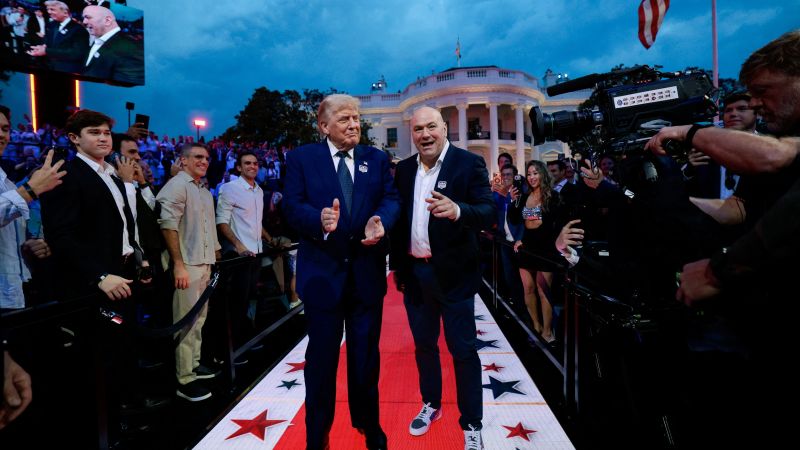
Sandego.net – President Donald Trump’s 80th birthday celebration featured high-octane mixed martial arts bouts that highlighted the theme of decisive victory. Yet, the political punch of his recent announcement—a memorandum of understanding to end the Iran war—remained in the background, overshadowed by the event’s martial focus. The White House gathering, held under ominous skies, served as a symbolic stage for Trump to declare progress in a conflict that had simmered for months. However, the military stalemate between the United States and Iran lacked the sharp clarity of the octagon’s showdowns, raising doubts about the agreement’s ability to deliver lasting peace.
The Pact and Its Immediate Impact
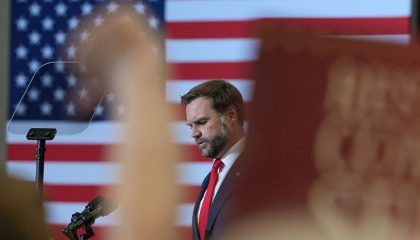
At the heart of the deal is a 60-day pause in hostilities, designed to ease tensions over Iran’s control of the Strait of Hormuz and the US naval blockade. This temporary ceasefire aims to restore the flow of oil through one of the world’s most critical maritime corridors, which had been disrupted by ongoing skirmishes. While the agreement addresses immediate logistical concerns, it stops short of resolving the core issue: Iran’s nuclear ambitions. The document also includes a key provision, which Vice President JD Vance described as a guarantee that Iran will never develop, acquire, or purchase a nuclear weapon. This assurance, though bold, remains a central point of contention.
“What the president has really set us to do is to certainly eliminate the nuclear threat of Iran. That’s done,” Vance stated during a Fox News interview, framing the agreement as a pivotal step toward a long-term resolution.
Trump’s declaration of triumph on social media, asserting that “many presidents have tried to make Peace with Iran, and all have failed before me,” further underscored his belief in the deal’s significance. The memo, which will be signed in Switzerland on Friday, marks a symbolic shift in the conflict’s trajectory. However, its effectiveness will hinge on whether the 60-day truce leads to deeper negotiations or merely pauses the current crisis.
Unanswered Questions and Broader Implications
The agreement’s vagueness has already sparked three pressing questions. First, does the opening of the Strait of Hormuz and the lifting of the US blockade signify a return to the pre-war status quo, or does it signal a new phase in the conflict? Second, is Trump’s plan to finalize a nuclear deal more promising than the Obama-era pact, which Iran had been complying with until Trump withdrew it in his first term? Third, did the war—fought with minimal American public support—achieve its intended goals, or has it only deepened the region’s instability?
The war’s global impact has been profound, exacerbating energy prices and triggering economic turmoil. By easing the blockade, the agreement could begin to alleviate these pressures, but the road to full recovery may be long. For now, the deal offers a temporary reprieve, allowing both sides to regroup and reevaluate their strategies. However, the lack of specificity in the terms—particularly regarding Iran’s nuclear program—leaves room for interpretation and potential disputes.
The Road Ahead: Complexity and Uncertainty
Despite the optimism surrounding the memorandum, its success depends on future talks that will likely be fraught with challenges. Iran has consistently maintained that it does not seek nuclear weapons, a stance that Trump and Vance have reinforced with their assurances. Yet, this claim alone may not be enough to satisfy critics who question Iran’s long-term intentions. The agreement does not address Iran’s support for groups like Hezbollah or its missile capabilities, which remain a key concern for the US and its allies.
Moreover, the war’s aftermath may reveal whether the US has weakened Iran’s position or inadvertently strengthened its resolve. With the previous Supreme Leader Ali Khamenei’s death, the US and Israel had hoped to dismantle the regime’s infrastructure. However, the survival of the leadership suggests Iran may have gained momentum, using the conflict to consolidate power and rally domestic support. This dynamic could lead to a new era of repression or a strategic realignment that shifts the balance of power in the region.
Long-term implications of the agreement extend beyond the immediate ceasefire. If Iran leverages its control of the strait to assert greater influence over global energy markets, the US will need to find ways to counter that dominance. The question of how the regime will use this leverage remains unresolved, with analysts debating whether Iran will seek to monetize its position or use it as a bargaining chip in future negotiations.
Legacy and Perception: A Turning Point?
For Trump, the agreement represents a chance to reframe his presidency as one of decisive action. A successful conclusion to the Iran conflict could restore his image as a leader who can resolve complex international crises. However, the deal’s limitations may challenge this narrative. The war, which many Americans opposed, has left a trail of global hardship, including the loss of 13 US service members and an uncertain number of Iranian civilians. The question is whether these sacrifices will be seen as justified or as a sign of US overreach.
China, in particular, may watch closely to determine if the agreement reflects a decline in American power or a recalibration of US foreign policy. The conflict has already strained diplomatic ties with allies and drawn scrutiny from global partners. If the deal holds, it could signal a more cooperative approach from the US, but it may also highlight the country’s inability to achieve long-term stability without military intervention.
As the ceasefire takes effect, the focus will shift to whether the agreement sets the stage for a lasting peace or merely delays the inevitable. The next steps will depend on the willingness of both sides to compromise and the broader geopolitical context in which the negotiations unfold. For now, the memo stands as a temporary bridge, one that may either lead to a new era of cooperation or another round of hostilities in the volatile Middle East.
Trump’s Iran strategy has always been defined by its emphasis on strength and clarity. Yet, the current deal reveals a more nuanced approach—one that balances immediate relief with unresolved challenges. While the 60-day pause offers a glimmer of hope, it also underscores the complexity of the conflict and the high stakes involved. The true test of the agreement lies not in the short term, but in its ability to shape the future of Iran’s nuclear program and the region’s stability for years to come.