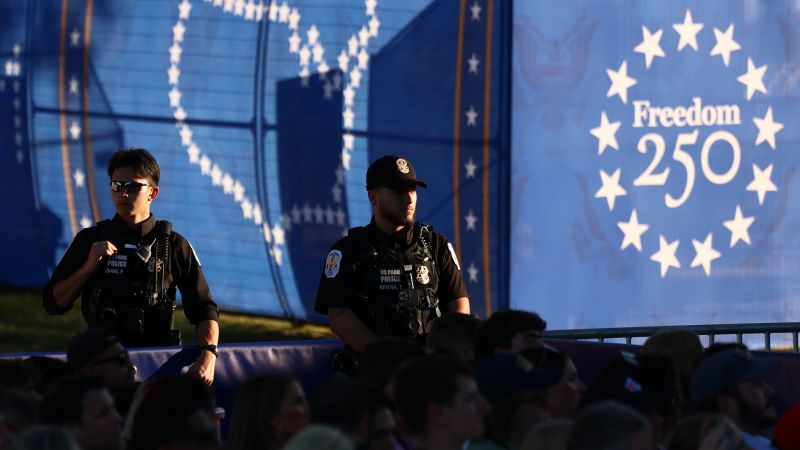
Securing America’s 250: Law Enforcement Faces Shifting Plans and World Cup Demands
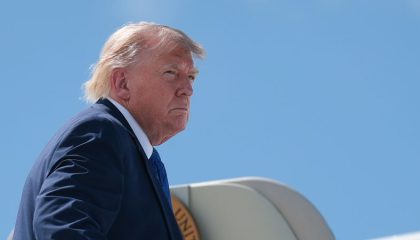
Sandego.net – Two weeks after the White House launched its celebrations for America’s 250th anniversary with a high-profile UFC fight on the South Lawn, law enforcement agencies have been scrambling to finalize security protocols for the upcoming July Fourth festivities in the nation’s capital. FBI Director Kash Patel revealed that a plot to disrupt the event had been neutralized, involving both drone technology and sniper tactics aimed at targeting former President Donald Trump and other key figures. Despite these efforts, the details of the July Fourth security plan remain in flux, with logistical challenges spreading across multiple federal and local agencies, according to sources who spoke with CNN.
Unpredictable Schedules Complicate Security Planning
As the holiday approaches, planners have been adjusting the timing of events, creating uncertainty for security teams. A revised schedule was released three days prior to the holiday, outlining hourly fly-overs in the afternoon and an evening program that includes a speech from Trump and a fireworks display. However, the timing of these events has shifted recently, prompting adjustments in security deployments. This unpredictability has led to temporary confusion among officials managing Trump’s protection, as they work to align their strategies with the evolving timeline.
The lack of a clear schedule earlier in the week caused delays in coordinating security measures. While the infrastructure allows for flexibility in last-minute changes, the absence of a fixed plan initially left some aspects of the event’s security in limbo. For instance, the timing of Trump’s speech was uncertain until DC Mayor Muriel Bowser announced that the large firework show would begin at 11 p.m. This prompted a last-minute adjustment, moving the speech to an earlier evening slot and aligning it with the fireworks display.
Threats and Preparedness in the Nation’s Capital
Amid these logistical hurdles, officials remain vigilant about potential threats. A recent incident involving a 19-year-old would-be attacker of the UFC event highlights ongoing concerns. According to the FBI, the individual sought to use drones during the fight and was referred to police by his parents. This underscores the broader focus on drone-based threats, which have become a priority for law enforcement as they prepare for the July Fourth celebrations.
Despite the risk of another attempt on Trump’s life, as well as the persistent lone wolf threat, Washington, DC, is considered well-equipped to handle large-scale security operations. Multiple officials involved in planning confirmed that the city’s experience with major events like the State of the Union, inaugurations, and presidential funerals has prepared it for the complexities of the July Fourth festivities. “They’re the most secure events,” said one federal official, emphasizing that the city’s infrastructure is designed for such high-profile occasions.
World Cup Demands Stretch Federal Resources
The security challenges extend beyond DC, as federal agencies are also tasked with protecting several other July Fourth celebrations across the United States. These include events in Boston, California, Pennsylvania, and New York, all of which require coordinated efforts between law enforcement bodies. The demand for resources has intensified due to the ongoing World Cup, which is being held in 11 cities nationwide. Federal agencies have been deploying personnel and equipment to secure these venues, which has led to delays in responding to other emergencies, such as bomb threats and urgent police calls.
According to a federal law enforcement bulletin shared with agencies ahead of the national holiday, events of national and historical significance are prime targets for threat actors. The bulletin noted that these events attract large crowds and carry symbolic weight, making them appealing for both ideologically and non-ideologically motivated attacks. “Events of national and historical significance could be appealing targets for a range of threat actors, due to both the large crowds they draw and their symbolic importance,” it stated. The document also warned that attackers might aim to instill fear, highlighting vulnerabilities in the country’s security systems.
Testing the Limits of Security Measures
Recent developments have tested the resilience of DC’s security framework. During the White House Correspondents’ Dinner, a man armed with a shotgun managed to bypass Secret Service checkpoints and fire at an officer before being apprehended. Prosecutors allege that the individual had stayed at the same hotel as the event, using the opportunity to observe and plan his route to the ballroom. This incident, which occurred just days before the July Fourth preparations, demonstrates the ongoing challenges in safeguarding high-profile figures.
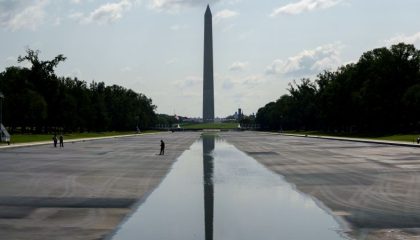
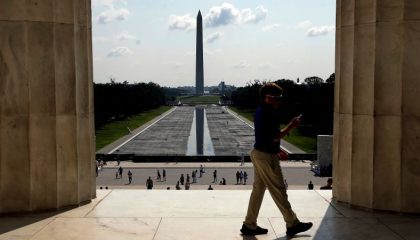
As the July Fourth event approaches, law enforcement agencies are juggling multiple responsibilities. The Secret Service, which oversees the event, is working alongside the FBI, Metropolitan Police, and other local units to secure a complex schedule of activities. These include Trump’s airshow, a setup of the “Great American State Fair” on the National Mall, and the climactic 45-minute fireworks show, which will cost $850,000 to produce. The scale and variety of these events require a delicate balance of resources and strategies, as agencies prepare for both planned and potential disruptions.
Coordination and Adaptability in High-Stakes Scenarios
With the World Cup’s security demands adding to the workload, federal agencies have been operating at full capacity. The need to protect 11 World Cup host cities has led to the deployment of bomb squads, anti-drone systems, and specialized units across the country. This has created a bottleneck in responding to other incidents, as resources are diverted to ensure the safety of international sporting events. Two federal officials briefed on the matter told CNN that these deployments have delayed reactions to emergencies, including bomb threats and urgent calls for assistance.
Nevertheless, the coordination between agencies has allowed for a degree of adaptability. While the exact details of the July Fourth security plan are still being finalized, the infrastructure in place provides a buffer against last-minute changes. Officials stress that the city’s familiarity with large events has minimized the risk of major security gaps. “DC is kind of a unique animal when it comes to” large-scale security, said one federal law enforcement officer. “Everybody here already knows how to do these. From the State of Union address, inaugurations, and presidential funerals, these are regular events that happen here.”
The ongoing efforts to secure the July Fourth celebrations reflect the broader priorities of law enforcement. As threats evolve, agencies must remain agile, adapting their strategies to address both immediate risks and long-term vulnerabilities. The combination of the 250th anniversary festivities and the World Cup has created a unique set of challenges, but the collaborative approach between federal and local units has ensured that security remains a top priority. Even with the uncertainties surrounding the schedule, officials are confident that the plan will hold together, provided that the latest adjustments are implemented effectively.
As the nation prepares to celebrate its 250th birthday, the focus on security has become more pronounced. The recent thwarting of an attack plot and the testing of defenses during the Correspondents’ Dinner serve as reminders of the stakes involved. With the final details of the July Fourth event still being finalized, law enforcement teams are working diligently to ensure that the festivities proceed without incident. The interplay between the country’s historical milestones and its current security landscape highlights the challenges of maintaining order in a rapidly changing environment.