
GOP centrists defy Trump and force future House vote on major Russian sanctions bill
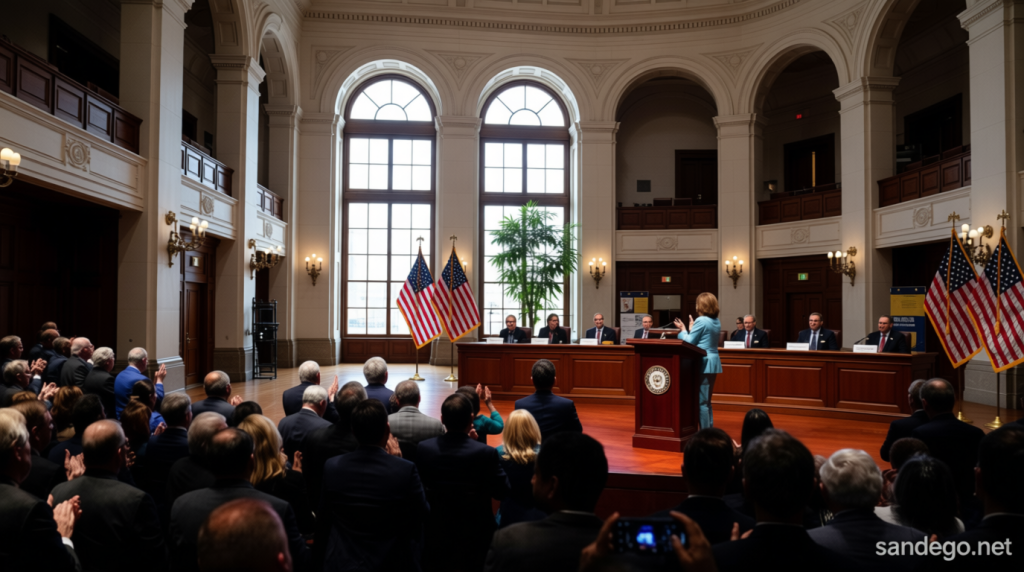
GOP Centrists Defy Trump, Force House Vote on Russia Sanctions Bill
GOP centrists defy Trump and force – A group of centrist Republicans has compelled the House of Representatives to take a major step in its foreign policy agenda, overriding President Donald Trump’s influence to advance a comprehensive sanctions bill targeting Russia. The legislation, which has now cleared the procedural hurdle for a June vote, is a direct challenge to the administration’s approach, as moderate lawmakers from both sides of the aisle push for immediate action to support Ukraine and tighten economic pressure on Moscow. This development underscores the growing divide within the GOP, with centrists asserting their independence from Trump’s more isolationist stance, while also signaling a potential shift in how the party engages with global conflicts.
Strategic Shift in the GOP Leadership Landscape
The bill’s passage hinges on the unity of moderates who have long criticized Trump’s hesitancy on Russia. By forcing a vote, these lawmakers have prioritized legislative momentum over party cohesion, effectively sidelining Trump’s preference for delaying major decisions. The move reflects a broader strategy to counter the administration’s narrative, as centrist Republicans argue that Congress must act decisively to align with international allies and address the escalating crisis in Ukraine. This effort has also intensified pressure on House Speaker Mike Johnson to accommodate the growing demands of his own members.
“We cannot afford to wait any longer. The Russian aggression has been relentless, and our country needs to show strength,” stated Rep. Kevin Kiley, a key GOP centrist who helped drive the discharge petition.
Bipartisan Efforts and Legislative Implications
The Russia sanctions bill, which includes measures to restrict financial flows to Moscow and boost military aid for Ukraine, has garnered support across party lines. While the White House has remained cautious, the Senate’s potential endorsement of the legislation could reshape the U.S. strategy in the conflict. The bipartisan push highlights how centrists are leveraging their position to bridge ideological gaps, ensuring the bill moves forward despite Trump’s resistance. This development may also influence upcoming elections, as lawmakers balance global commitments with domestic priorities.
The discharge petition, which requires 218 signatures, was a pivotal tactic in bypassing House leadership. By coordinating with Democrats, centrist Republicans have managed to accelerate the bill’s timeline, a move that could set a precedent for future legislative actions. The effort underscores a strategic realignment within the GOP, with moderates positioning themselves as critical allies in shaping foreign policy. This shift could have long-term consequences for the party’s alignment with Trump’s agenda, particularly in the face of mounting public and congressional pressure for decisive action.
The sanctions measure targets Russian entities linked to the war in Ukraine, including financial institutions and energy firms. It also includes provisions to enforce 500% tariffs on Russian imports, a move that has drawn praise from allies like the European Union and NATO members. Despite these cross-party endorsements, the bill’s fate in the Senate remains uncertain, as the GOP’s minority status and Trump’s influence could still derail its approval. However, the momentum generated by the House vote may encourage Senate Republicans to reconsider their position, especially with the war’s impact on global markets and energy security becoming more pronounced.
Trump’s Policy Dilemma and Political Calculus
Trump’s administration has faced mounting criticism for its relative inaction on Russia, particularly as the war in Ukraine continues to unfold. While the GOP centrists have pushed for a more assertive approach, Trump has maintained a focus on Iran, a decision that has sparked internal GOP debates about the effectiveness of their foreign policy. The current sanctions bill is seen as a countermeasure to this strategy, offering a tangible response to Russia’s advances and a renewed commitment to supporting Ukraine. The political calculus of the move lies in its potential to bolster moderates’ credibility while weakening Trump’s control over the party’s direction.
The legislative breakthrough has reignited discussions about the role of centrists in bridging divides, especially as the Russia-Ukraine conflict remains a defining issue for the 2026 election cycle. With the House vote imminent, the bill’s passage could signal a pivotal moment in the GOP’s strategy, forcing a recalibration of priorities between domestic concerns and international commitments. The outcome will also determine the extent to which Trump’s influence wanes, as the focus shifts toward broader consensus in shaping U.S. foreign policy. The stakes for both parties are high, with the potential for lasting impact on the Russia-Ukraine war and the future of the GOP’s leadership structure.
