
What to know about incoming Fed Chair Kevin Warsh, in one resume
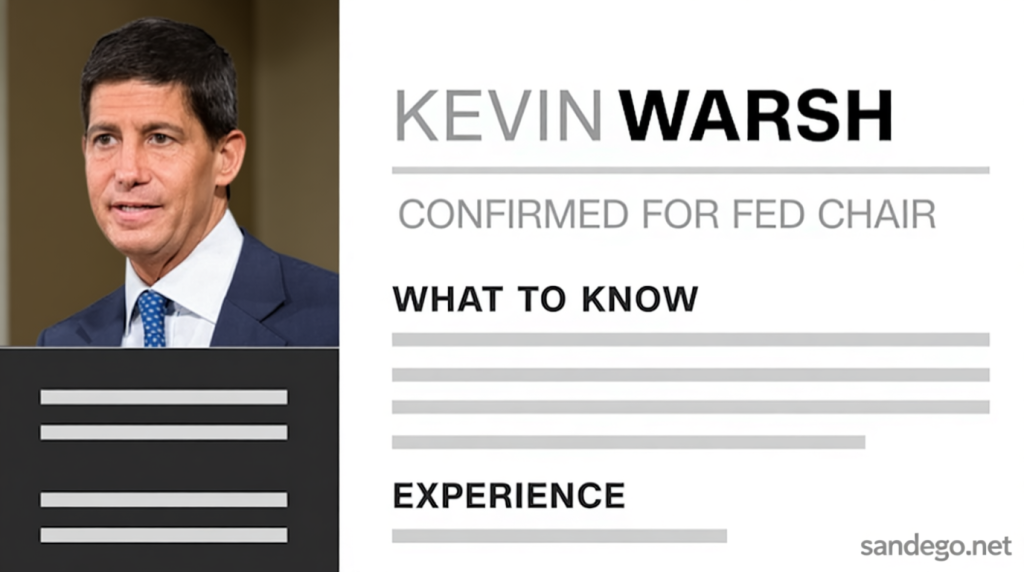
What to Know About Incoming Fed Chair Kevin Warsh: A Comprehensive Overview
What to know about incoming Fed Chair – Kevin Warsh, the newly confirmed Federal Reserve Chair, is set to lead the nation’s central bank as it navigates complex economic challenges. His appointment marks a pivotal moment in the Federal Reserve’s history, offering insights into his background, policy priorities, and the responsibilities he now shoulders. As the focus keyword “What to know about incoming” underscores, understanding Warsh’s qualifications and vision is critical for grasping the direction of U.S. monetary strategy in the coming years. This article provides a detailed look at his professional journey, key economic perspectives, and the expectations placed upon him in his new role.
Kevin Warsh’s Background and Career Highlights
Before assuming the role of Federal Reserve Chair, Kevin Warsh had a distinguished career in both academia and public service. He served as a member of the Board of Governors of the Federal Reserve from 2018 to 2022, where he was known for his expertise in monetary policy and macroeconomic analysis. Prior to this, Warsh was a senior economist at the U.S. Treasury Department, contributing to fiscal and economic decision-making during critical periods, including the aftermath of the 2008 financial crisis. His academic credentials include a Ph.D. in economics from the University of Chicago, a prestigious institution that has shaped many of the nation’s top economic thinkers.
Economic Expertise and Policy Priorities
Kevin Warsh’s tenure at the Federal Reserve has been defined by his focus on inflation control and financial stability. As an incoming Fed Chair, his approach is expected to emphasize maintaining price stability while supporting sustainable economic growth. Warsh has consistently advocated for data-driven decision-making, often citing the importance of balancing inflation targets with employment goals. His work on the Fed’s policy-making committee included key roles in shaping interest rates and overseeing regulatory frameworks that aim to prevent systemic risks. These experiences position him as a pragmatic leader who prioritizes long-term economic resilience over short-term fixes.
Challenges Facing the New Chair
As the incoming Fed Chair, Kevin Warsh faces a landscape marked by high inflation, a tight labor market, and growing concerns about a potential economic slowdown. The Federal Reserve’s mandate to manage inflation while fostering employment requires careful calibration, especially in an environment where interest rates have been elevated to curb price pressures. Warsh’s ability to navigate these challenges will be tested by the delicate balance between tightening monetary policy and avoiding a recession. Additionally, his leadership must address evolving global economic trends, such as supply chain disruptions and energy price fluctuations, which continue to influence domestic markets.
Public Perception and Political Context
Kevin Warsh’s confirmation as the incoming Fed Chair has been met with mixed reactions. While some view him as a steady hand in steering the economy, others highlight his ties to the Republican Party and his alignment with more conservative economic policies. His nomination by President Donald Trump in late January reflects the political priorities of his administration, which sought a leader with a strong track record in promoting deregulation and fiscal flexibility. Critics argue that his focus on inflation control might come at the expense of addressing income inequality, a point that has sparked debates about the Fed’s role in social welfare. However, supporters believe his experience and analytical rigor will provide clarity amid uncertainty.
Kevin Warsh’s appointment as the incoming Fed Chair signals a shift in the central bank’s approach to managing the U.S. economy. His leadership will be shaped by the policies he has championed in the past, such as his emphasis on inflation targeting and his advocacy for a more flexible monetary strategy. As the Fed continues to respond to inflationary pressures and market volatility, Warsh’s ability to communicate effectively with the public and policymakers will be crucial. His vision for the Fed’s role in fostering economic growth while maintaining stability will define his tenure. Understanding what to know about incoming Fed Chair Warsh is essential for anyone seeking to grasp the broader economic implications of his leadership.
