
Virginia Democrats ask US Supreme Court to let them use new congressional map
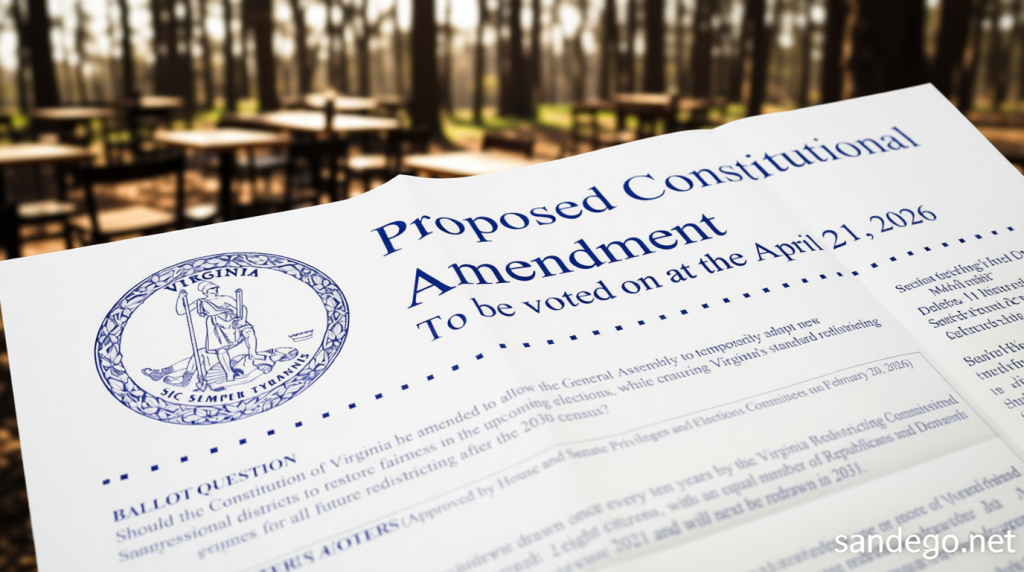
Virginia Democrats Seek Supreme Court Approval for New Map
Virginia Democrats ask US Supreme Court – Virginia Democrats are requesting the U.S. Supreme Court to approve their newly proposed congressional map, which they claim would secure a better electoral position for their party. This appeal follows a state Supreme Court ruling that invalidated the map, sparking a legal battle over the interpretation of constitutional procedures. The Democrats argue that the map, finalized after a constitutional amendment was ratified in April, is essential for their strategy in the upcoming midterm elections. The case highlights the growing importance of the U.S. Supreme Court in resolving redistricting disputes, as political actors across the nation push to reshape voting boundaries to influence outcomes.
Supreme Court’s Role in Redistricting Dispute
“Virginia Democrats ask US Supreme Court to intervene and restore the map that voters approved,” stated the petition, emphasizing the urgency of the request. “This decision will determine whether the will of the people is reflected accurately in the congressional elections.”
The state’s Supreme Court had ruled that the Democrats’ referendum process failed to comply with the state constitution, requiring a second vote after early voting commenced. This left the map in limbo, prompting Democrats to seek federal judicial review. The U.S. Supreme Court’s involvement in this case is significant, as it represents another challenge in the nation’s redistricting wars. With the court’s recent weakening of the Voting Rights Act, the Democrats’ appeal could set a precedent for future disputes over electoral boundaries.
Strategic Implications of the Map
Virginia Democrats ask US Supreme Court to ensure the map’s implementation, which they believe would create favorable districts for their party. The revised plan aims to shift the state’s congressional representation from a Republican majority to a more balanced structure. By securing up to four additional Democratic seats, the map could alter the national political landscape, especially in a year when control of the House is expected to be fiercely contested. The Democrats argue that the current map is a direct result of voters’ democratic will and that its rejection undermines the electoral process.
Republicans, however, have challenged the map’s legitimacy, citing procedural errors in the referendum process. They maintain that the state constitution’s requirement for a second vote was not properly followed, giving the Democrats an unfair advantage. Despite these claims, Virginia Democrats ask US Supreme Court to validate their map, arguing that the state’s high court misinterpreted the constitutional amendment’s timeline. The case now hinges on whether federal justices will recognize the map as a lawful reflection of the people’s vote.
Legal Challenges and Broader Context
The Democrats’ petition is part of a larger trend of redistricting cases that have gained traction following the U.S. Supreme Court’s recent decisions. In Virginia, the dispute has drawn attention to the interplay between state and federal legal standards, with the Democrats emphasizing that their map adheres to both. The Supreme Court’s consideration of this case could influence how states handle future redistricting efforts, particularly those involving voter participation and constitutional amendments. Virginia Democrats ask US Supreme Court to act swiftly, as the map’s implementation would have immediate effects on the November elections.
Chief Justice John Roberts will lead the initial review of the appeal, which was filed under the 4th U.S. Circuit Court of Appeals. The court has set a tight deadline for responses, underscoring the urgency of the Democrats’ case. This timeline reflects the broader legal pressure on states to finalize maps before the midterms, as political parties race to secure an edge in the electoral process. With the Supreme Court now involved in multiple redistricting cases, the outcome in Virginia could shape the national conversation on voting rights and electoral fairness.
