Ontario Premier Condemns Trump’s Wildfire Tariff Proposal as Unacceptable
Regional Air Quality Crisis Sparks Diplomatic Tensions
Sandego.net – More than one hundred million residents across eighteen states and the District of Columbia have found themselves under air quality warnings as wildfire smoke continues to drift across the nation. The polluted conditions range from northeast Minnesota down to southeast Virginia, with levels classified as both “very unhealthy” and “hazardous” in various regions. This widespread environmental situation has caught the attention of President Donald Trump, who has now proposed linking the pollution burden to existing trade tariffs.
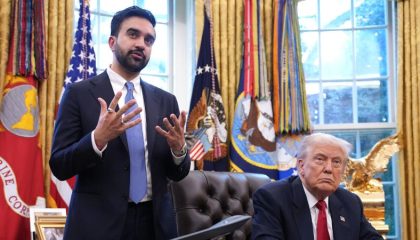
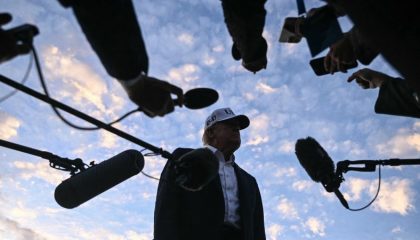
On Friday, the president announced he would hold Canada accountable for the smoke hovering over the Midwest and eastern portions of the United States. Trump stated his intention to contact Prime Minister Mark Carney directly to determine what measures Canadian authorities are implementing. By Saturday, he had expanded his criticism, suggesting that expenses related to managing fire-related pollution could be incorporated into the tariffs Canada currently pays to the United States.
“We are holding Canada responsible for the fact that they are not properly maintaining their Forests, and Brush therein, and the United States is being unnecessarily invaded by filthy, polluted, and unhealthy air, the quality of which is dangerous, and totally unacceptable!”
Trump articulated this position in a Truth Social message, emphasizing what he characterized as willful negligence on Canada’s part. He described the situation as an annual event costing billions of dollars to the American economy, arguing that these expenses must necessarily be added to the tariffs already being collected from Canada.
Ford Responds with Historical Perspective
Doug Ford, the premier of Ontario province, voiced strong frustration during a Saturday news conference. His province is currently experiencing 191 active wildfires, making the timing of Trump’s comments particularly galling. Ford pointed out that Canadian emergency crews had assisted with firefighting efforts in Southern California during the previous year.
“I find it a shame the administration in the US and Congress people (are) writing these letters and blaming us,” Ford explained. “They have a very short, short memory. We had the water bombers, everyone ready, going over to California. It was last year.”
The Ontario premier continued by drawing attention to the reciprocal nature of neighborly relations. He suggested that rather than issuing threats and criticisms, the United States should remember that circumstances could reverse. “That’s what neighbors do, right? You don’t get on and start threatening and criticizing, because, guess what? One day, it’s going to be your turn,” Ford remarked. He assured that Canadian officials would respond without hesitation if American communities needed assistance in the future.
Trade Relations Under Scrutiny
Relations between the two nations have grown increasingly strained. Following a Supreme Court decision preventing Trump from utilizing emergency powers to impose tariffs, the president has turned to alternative legal statutes requiring investigations and public comment periods. While this approach has decelerated the tariff implementation timeline, the administration remains committed to restoring America’s effective tariff rate to levels seen earlier this year, prior to the court’s significant ruling.
Canada has consistently been among Trump’s primary targets for trade policy. The president has maintained some of his most substantial tariffs for America’s northern neighbor, citing concerns about lumber trade practices and the relocation of automotive manufacturing jobs. Nevertheless, the United States-Mexico-Canada Agreement, which Trump personally negotiated during his first term, has provided considerable protection for Canadian exports. This pact exempted thousands of products from the highest tariff rates the administration has imposed.
Earlier this month, however, the Trump administration chose not to renew the USMCA in its existing configuration. Despite this development, Ford expressed confidence in the enduring friendship between the two populations. “Americans love Canadians” and “Canadians love Americans,” he stated, while characterizing Trump’s latest remarks as “absolutely unacceptable.”
Ford also revealed that Massachusetts Governor Maura Healey had contacted him to offer Ontario support with the ongoing fires. Additionally, he had spoken with Minnesota Governor Tim Walz, though state officials in that region indicated they were managing their own challenges. CNN’s David Goldman contributed to this report.