Sandego.net – “`html
World Cup Fever Sparks Naming Trends Across Latin America
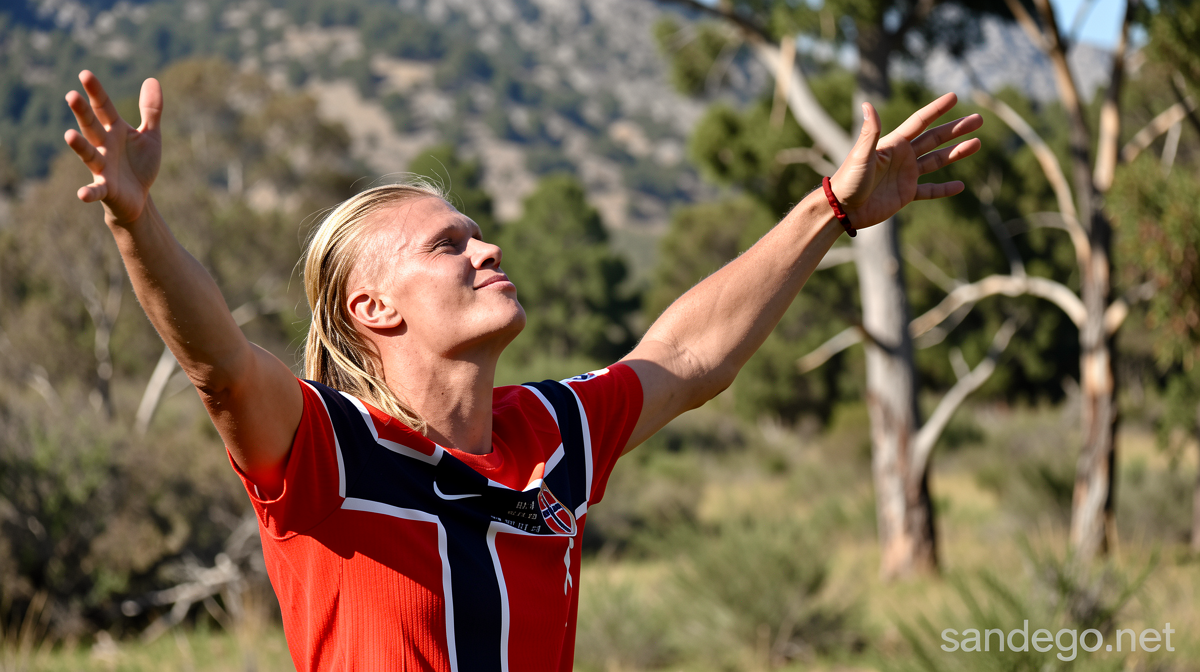
From the Andes to the Caribbean, families throughout Latin America are celebrating the global football tournament by bestowing athletic monikers upon their children. While Peru has embraced Norwegian sensation Erling Haaland with enthusiasm, other nations have followed suit with their own distinctive approaches to honoring soccer legends. The phenomenon of Baby Haaland in Peru has become particularly notable, as the country has seen hundreds of newborns receive the Norwegian striker’s name despite failing to qualify for the tournament.
Mexico’s Triple Tribute
Perhaps the most elaborate example emerged from Mexico, which shared hosting duties alongside the United States and Canada. A photograph circulating across social platforms revealed a birth certificate bearing the remarkable name Quiñona Ysisidra Morita Haaland Guevara. This lengthy designation pays homage to three distinct football figures: the Norwegian striker Haaland, Mexican international Julián Quiñones, and Gilberto Mora.
The middle name Ysisidra carries particular significance for Mexican supporters. It represents a creative adaptation of “Y si sí?”—a spirited expression meaning “What if?” that became an anthem among fans before their elimination by England during the round of sixteen stage. Officials from Mexico’s governance secretariat have yet to confirm whether the document is genuine.
Peru Embraces the Viking Spirit
Peru has experienced an extraordinary surge in babies named Haaland, despite the nation failing to secure a spot in this year’s competition. According to Ivan Torres, a representative for Peru’s civil registry organization RENIEC, hundreds of newborns have received the Norwegian name. The registry reports that approximately 30,000 individuals across Peru already carry names connected to football icons including Lionel Messi, Neymar from Brazil, and Cristiano Ronaldo of Portugal.
Torres explained to Panamericana Television that one infant received the straightforward designation “Mundial,” utilizing the Spanish abbreviation for the World Cup. He remarked that Haaland has effectively become Peruvian as well. This trend of Baby Haaland in Peru reflects the deep connection Latin American fans feel with international football, transcending national boundaries to celebrate sporting excellence.
Many Latin American supporters whose home nations did not participate or were eliminated have chosen to cheer for Norway rather than Argentina. The South American nation has been perceived by some as overly focused on European perspectives. Norway’s advancement to the quarter-finals marked their first appearance at that stage, fueled by what observers called a “Viking row” of passionate support and Haaland’s goal-scoring prowess.
Argentina’s Naming Renaissance
In Argentina, the tournament has generated a naming boom that extends beyond the legendary Messi. Local officials in the northeastern province of Salta reported that Enzo, Emiliano, and Lionel ranked among the most popular male names during the week preceding the championship match. The Argentine squad competing in Sunday’s final features midfielder Enzo Fernandez, goalkeeper Emiliano “Dibu” Martinez, and captain Messi.
A Historical Pattern
Fabiola Molina, who presents the Mexico City podcast titled “Sin manual para padres” or “No manual for parents,” noted that this phenomenon has deep roots in Latin American culture. She traced the tradition back to Diego Maradona’s famous “Hand of God” goal against England in 1986.
“A few years ago when the Backstreet Boys were popular, many women were naming their sons Kevin and Brian, and that’s why it’s very common in countries like Bolivia, Chile and Argentina to find someone called Brian Gonzalez, for example.”
Molina offered a balanced perspective on the trend, acknowledging both its charm and potential drawbacks. She suggested that while naming children after celebrities is entertaining, it might create expectations that prove difficult to fulfill. Simply bearing a name like Messi or Lionel does not guarantee athletic success, she observed, noting that destiny does not automatically shape a person’s future based on their given name.
The Baby Haaland in Peru trend exemplifies how sports events create cultural moments that extend far beyond the pitch. As families across Latin America continue to honor football heroes through naming traditions, these stories remind us of the universal language of sport and its power to unite communities through shared celebration and hope.
“`