Michigan Voters See Obama Ads for Stevens Despite No Official Endorsement
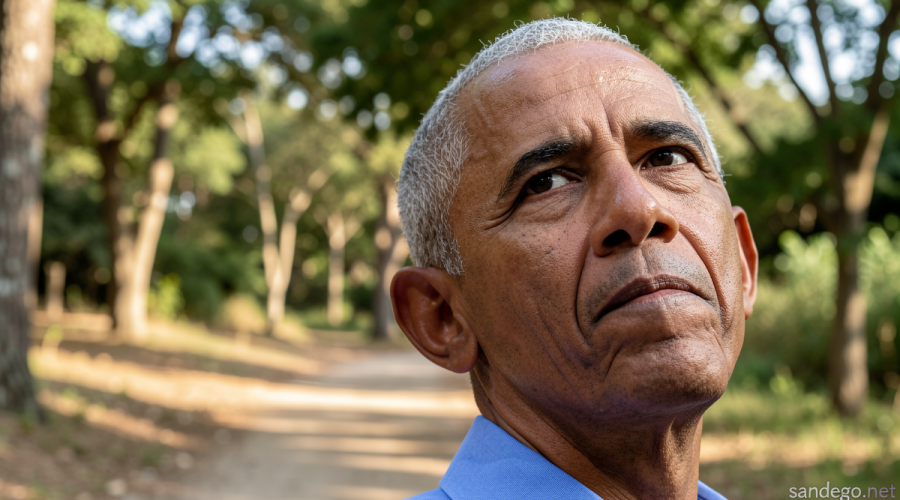
Sandego.net – Barack Obama hasn t endorsed a Michigan Senate candidate, yet residents may well believe the former president has thrown his weight behind Rep. Haley Stevens in the Democratic primary. This perception stems from a massive advertising push by Stevens’ allies, who have invested $5 million into television spots broadcast almost 4,000 times across the state. These commercials showcase Obama commending Stevens for her role as chief of staff for the US Auto Rescue Task Force during the economic turmoil of 2008. According to AdImpact analytics, this single advertisement has been aired more frequently than any other political spot in Michigan over the past twelve months.
A Strategic Connection to Obama’s Legacy
This advertising initiative represents a calculated attempt to forge a strong association between Stevens and the former president within a state where African American voters constituted approximately one-quarter of the Democratic electorate during the 2022 midterm elections. The campaign also seeks to highlight Stevens’ contributions to preserving Michigan’s legendary automotive sector. As the contest between the more centrist Stevens and Abdul El-Sayed—a former Detroit public health administrator seeking to capitalize on progressive momentum—enters its closing phase, the advertising blitz has generated criticism from rivals who contend it might confuse the electorate.
“We’ve seen some examples of folks saying, ‘Oh, I thought that Obama was supporting her in this race,’ because they’ve seen these ads,” said Denzel McCampbell, a Detroit City Council member who is backing El-Sayed. “I think it is concerning for me because this may be the only time that folks are tuning into the race.”
Conversely, Keith Williams, who serves as chairman of the Michigan Democratic Party Black Caucus and supports Stevens, defended the approach. “What are they complaining about? It’s not a lie. He did say that. So, give credit where credit is due. He’s a hot ticket,” Williams responded.
Financial Disparity and AIPAC Influence
Compounding the messaging advantage, external organizations supporting Stevens have contributed over $50 million collectively to the race. Meanwhile, El-Sayed, who has declined corporate PAC contributions, has attracted fewer than $1 million in outside advertising dollars. The involvement of AIPAC-linked entities in funding some of these advertisements has become another point of contention, reflecting broader tensions within the Democratic Party between its progressive faction and establishment members during a period of intense debate over American policy toward Israel.
“She was there. She was a critical part of my team that helped the American auto industry come roaring back,” Obama says in the clip, promoting Stevens’ first US House campaign.
The United Democracy Project, a super PAC backed by AIPAC that has allocated nearly $30 million toward Stevens’ bid, reutilized a soundbite from a 2018 Michigan Democratic rally, dedicating $5 million to the advertisement. Another pro-Stevens organization, still keeping its fundraising details private, has launched a comparable commercial using the identical Obama excerpt. “If President Obama trusts her, so do I,” a narrator declares at the conclusion of that spot.
Higher Stakes Beyond the Primary
David Axelrod, a seasoned Democratic strategist and CNN political commentator, noted that Obama’s enduring appeal within the party explains “why candidates continue to imply his support even when he hasn’t made an endorsement.” He characterized the deployment of archived campaign material as a “shrewd” tactic, “especially in a state where as much as a quarter of the primary vote may come from African Americans.”
The outcome of Michigan’s August 4 primary carries implications far exceeding the local contest. The victor will confront former Representative Mike Rogers, the anticipated Republican nominee, in a general election that Democrats must secure to maintain any realistic prospect of reclaiming Senate control. Obama’s political stature has remained a valuable commodity throughout the 2026 electoral cycle. External organizations previously invested millions in commercials highlighting the former president advocating for partisan redistricting in California and Virginia, while Republican adversaries in Texas utilized similar footage to challenge gerrymandering efforts. Even during Illinois’s competitive Senate primary in March, both Rep. Robin Kelly and Lt. Governor Juliana Stratton—whose campaign secured the Democratic nomination—featured Obama endorsements in their advertisements.